Thread Group has officially approved work to extend Thread into the Sub-GHz spectrum, confirming the long-rumored direction for the low-power mesh protocol and opening a path for longer-range Matter devices.
The decision follows more than a year of discussion around long-range Thread and Matter, including early concepts demonstrated by Silicon Labs. It also comes shortly after Zigbee opened certification for its own Sub-GHz stack, Suzi. Thread Group has not released the new spec yet, but the announcement establishes Sub-G as an official development priority.
Thread goes beyond 2.4 GHz
Thread Group’s Board of Directors has approved development of a new tech that will bring Thread’s standardized, IP-based mesh networking to a Sub-GHz physical layer.
The organization is targeting commercial and industrial installations, where long-range wireless connectivity is already common but often relies on proprietary tech.
Lower frequencies can generally travel farther and penetrate obstacles more effectively than the 2.4 GHz band used by current Thread devices. That could make Thread more practical across large buildings, outdoor spaces and industrial properties where extending a conventional mesh network would otherwise require more routers.
Thread Group specifically identifies building automation, lighting retrofits in healthcare facilities and property-wide industrial sensor networks as potential applications.
The organization wants to bring those deployments onto a common, IP-based standard instead of leaving manufacturers to build around separate proprietary Sub-GHz systems.
“Bringing Thread’s benefits to Sub-GHz is a natural next step in our mission to deliver reliable, secure, and low-power wireless mesh network to diverse IoT environments,” said Ann Olivo, vice president of marketing for Thread Group.
Thread Group says the new tech will follow its established member-driven specification process and receive a distinct brand in the coming months.
However, the announcement does not confirm the Thread 2.0 naming, supported regional frequencies, a release date or product availability. The Thread Group has yet to respond to Matter Alpha as of the press time.
Long-range Matter is getting closer
The development could be particularly important for Matter, which already uses Thread as a supported IP-based network for low-power devices.
A Sub-GHz version of Thread could eventually let manufacturers build native Matter devices for places beyond the practical reach of current 2.4 GHz installations, including gardens, outdoor sensors, detached buildings and larger commercial properties. And it is essential when 2.4GHz is getting crowded in a residential environment.
It could also give Matter a more direct way into applications currently served by proprietary Sub-GHz products or other long-range protocols such as Z-Wave.
Long-range Matter has been under discussion since 2025, when the Connectivity Standards Alliance (CSA) formed its Matter Long Range Tiger Team to gather needs from manufacturers. Silicon Labs later demonstrated a Sub-GHz Matter concept, showing how the technology could extend device connectivity beyond conventional Thread networks.
Thread Group’s announcement provides a clearer direction for that work. Instead of developing a separate proprietary radio solution for Matter, manufacturers could eventually use a standardized extension of Thread.
Other IP-based applications using Thread could also benefit, including KNX IoT and OpenThread-based projects such as ESPHome. However, those ecosystems would need to adopt the new tech, and Thread Group has not announced their implementation plans.
Sub-GHz Thread also does not automatically mean Matter support. Matter specifications, controllers and device platforms would still need to accommodate the new networking tech before manufacturers could ship interoperable Matter-over-Sub-G products.
New hardware is still required
Existing Thread devices will not gain Sub-G connectivity through a simple firmware update.
Current Thread hardware is designed around 2.4 GHz radios. Operating below 1 GHz requires compatible radio hardware, including the appropriate chipsets and antennas. Manufacturers will therefore need new devices and network infrastructure – a new Thread Router – to take advantage of the longer-range capabilities.
Products that already contain Sub-GHz radios present a more interesting possibility.
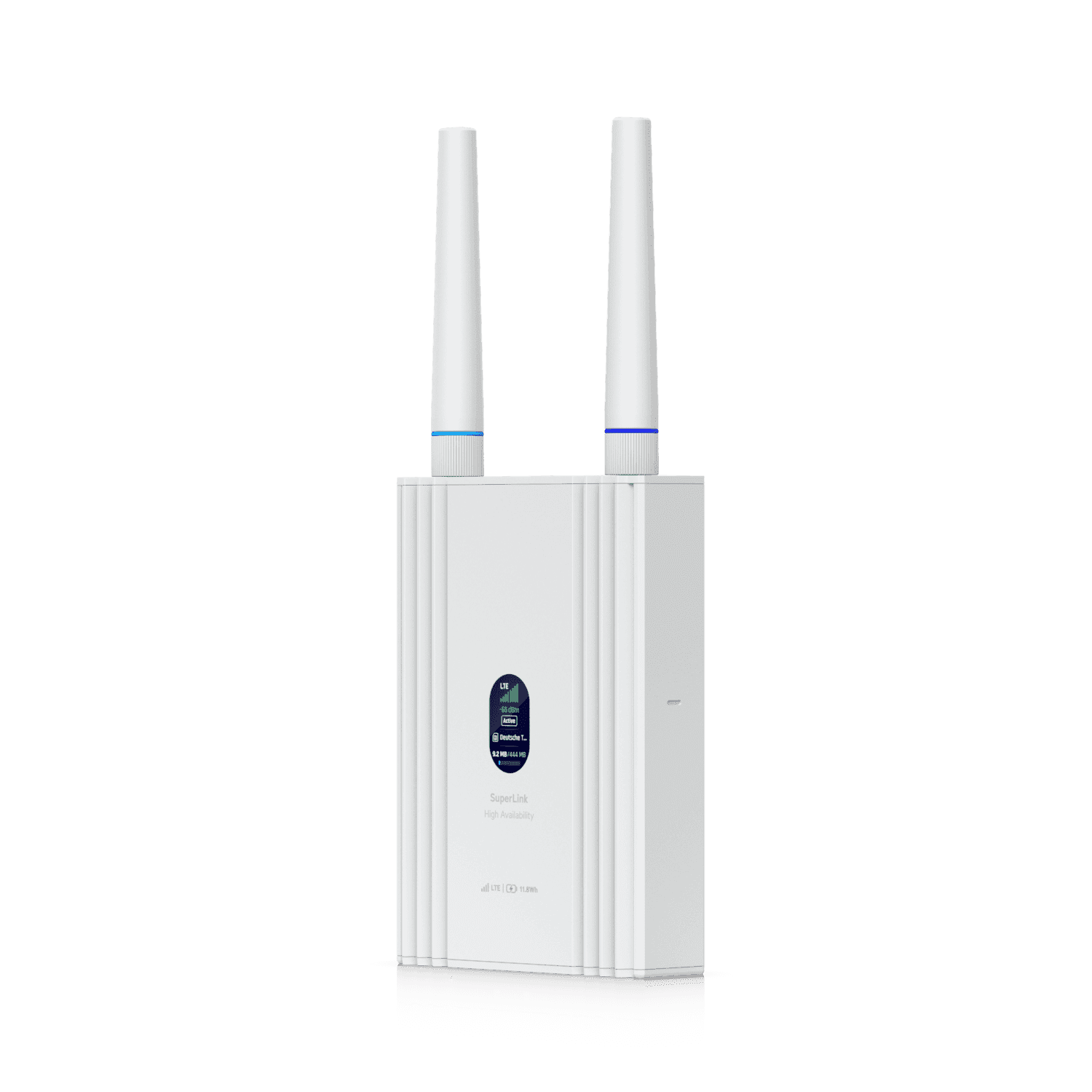
Ubiquiti’s SuperLink Gateway HA, for example, combines a conventional 2.4 GHz Thread border router with separate Sub-GHz hardware for its proprietary SuperLink sensor network.
That hardware arrangement could provide a starting point for future Sub-GHz Thread support, but compatibility is far from guaranteed. It depends on the exact radio chipset, the finished Thread specification, regional frequency requirements and whether the chip vendor provides the necessary software support.
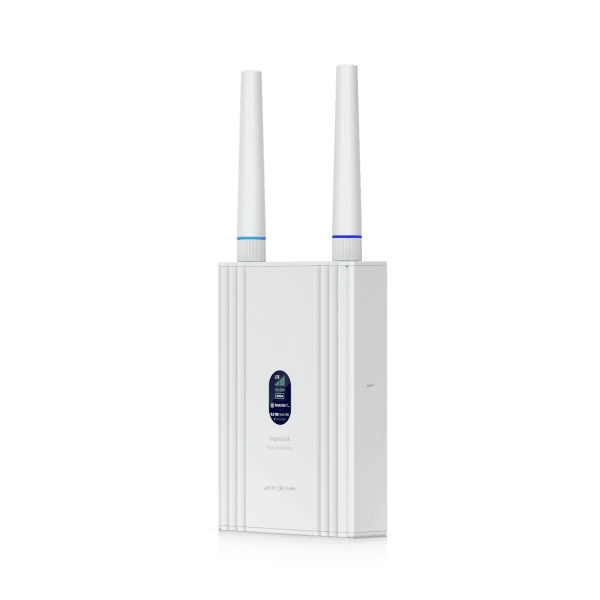
UniFi SuperLink Gateway HA
The Home Assistant Connect ZWA-2 takes a similar approach, and it is more promising because it uses a modular design.
Silicon Labs is particularly relevant because it already supplies Thread and Sub-GHz wireless solutions, including hardware used for Z-Wave. Its experience with both tech could help manufacturers develop compatible products once the standard becomes available.
That does not mean existing Z-Wave or SuperLink devices will automatically become Thread devices. Having a Sub-GHz radio is only one part of the requirement. Chip makers like Silicon Labs also hold the key to unlocking the chip’s capabilities for multiple applications, including Thread Sub-GHz.
Unlike today’s globally used, license-free 2.4 GHz band, available Sub-GHz frequencies also vary by region. Manufacturers may need different hardware configurations or regional product variants, adding another challenge to the development of a common long-range standard.
Thread Group has confirmed the direction, but the next important details will come from the spec itself: which frequencies it supports, how Sub-GHz networks work with existing Thread infrastructure, and what manufacturers need to build interoperable devices.
More importantly, the real test will be how long it takes manufacturers to turn the spec into shipping hardware and populate real-world Thread Sub-GHz networks.
(Source: Thread Group; Image: Thread Group).