Although Matter is intended to make it easier to connect smart home devices, control them, and create integrations and automations (often referred to as “scenes”), we’re not there yet. Progress since its 2022 launch has been slow, and while things are improving, this is a technology that is still in its infancy.
Smart home tech might be pretty impressive, but getting all of those devices to “talk” to each other in such a way that they might be fully controllable from a single app remains an ambition, rather than a reality.
Matter has a handful of drawbacks, none of which we should expect to apply to its long-term existence, but for the time being are issues that can disrupt, annoy, and frustrate.
Matter is still a new technology
Despite being four years since the first specification was released, Matter is still comparatively young. It is still in its early stages of development, and while the number of Matter-certified devices has increased, some device types are either unsupported or have limited functionality over Matter.
But we can look back at the ground made over the past few years with optimism for the future. Google, Amazon, Apple, Samsung, and IKEA have all backed Matter, along with companies like SwitchBot and OPPO and Huawei (and many other Connectivity Standards Alliance members).
The result is a growing inventory of smart home hardware that supports Matter, or is ready to support it once the specification adopts that particular type of device.
Smart home platforms offer differing levels of Matter support

Matter was not the first smart home standard. While it may be the last – or the foundation for whatever that might be – it exists alongside what initially appear to be alternative standards.
You’re probably aware that Google, Amazon, Apple, Samsung, and many other members of the CSA are able to work with non-Matter hardware. But did you know that Matter is not the same from one smart home environment to the next? Different levels of Matter spec adoption have complicated matters.
In addition, these companies all essentially run their own smart home standard alongside supporting Matter. Then we have Zigbee and Z-Wave, which those smart homes all use.
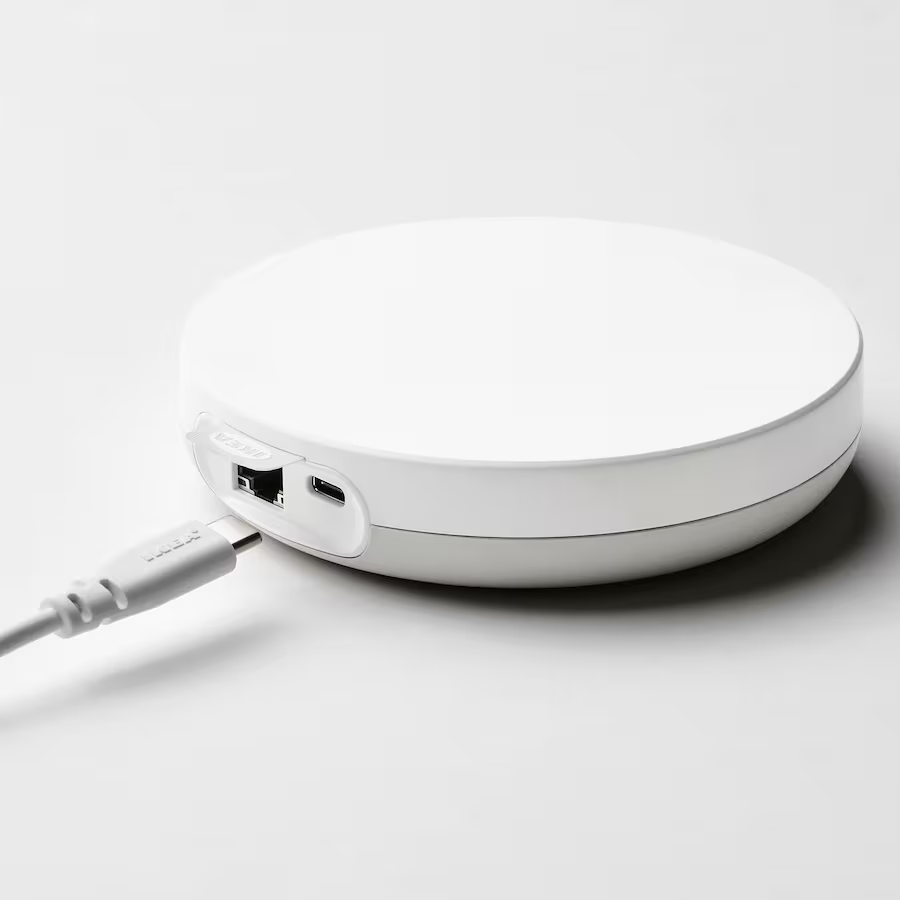
(In some cases, a Matter bridge is required to enable Zigbee and Z-Wave devices to work with a Matter controller -- for example, the IKEA Dirigera can operate in this mode.)
But here’s the important thing: Matter is designed to sit across all of these standards, along with Bluetooth, Wi-Fi, and Thread. Just as networking on a computer relies on Wi-Fi or an Ethernet cable, and sometimes both at once, so Matter relies on Thread, or Zigbee, or Z-Wave… or all at once.
Device function support is behind proprietary apps
Matter has another challenge as it develops. The people coding the specification are doing so in an iterative manner, bringing in as many devices as possible, so that Matter works for as many people as is practical.
The downside, however, is that some device types still don’t fully work with Matter.
So, even if they use Z-Wave or Zigbee or Thread, and have fully functional proprietary apps, if the device isn’t in the Matter spec, or doesn’t have a feature defined (for example, specific room or zonal cleaning for a robot vacuum cleaner), then it won’t offer the best experience.
The aim for Matter is that you can use your preferred app to control your smart home. Until all device functions – or the option to create custom functions – are accommodated via Matter, this remains an aim that is very much “in progress.”
Onboarding has challenges
Adding a new supported smart home device to Matter should be straightforward. But it has been known to have its challenges. Some are obvious, such as a poor network or using a VPN on your phone, whereas others are simply frustrating.
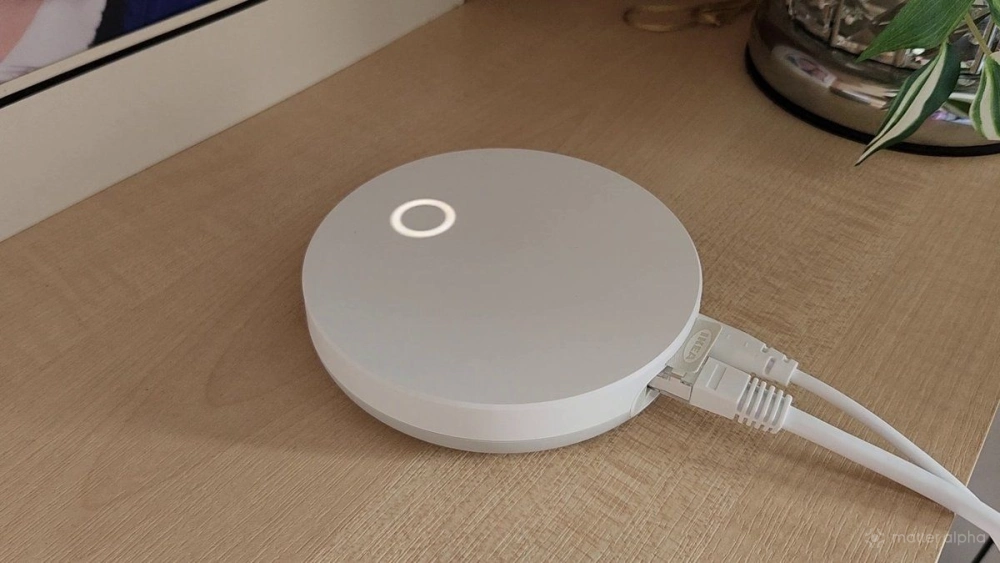
A prime example are the issues that are challenging IKEA smart home device owners. These are not necessarily limited to IKEA (the Swedish home furnishings giant has issued a firmware update) but with a big name like IKEA releasing over 20 smart home devices, it is bound to make headlines.
The general rule in these situations is to power cycle everything – controller, phone, and device – and try again. Assuming all three devices are connecting to the same network for onboarding, issues should resolve themselves.
But working through this can be time-consuming.
Troubleshooting can be difficult
Onboarding is only one challenge. If a device stops working with the Matter controller, then you’re limited to official documentation and support forums. But the smart home world is relatively niche, and while Matter is expanding, it is also a tiny portion of the landscape of the home automation world.
The solutions suggested above can help, but performing a full reset of the smart home device might also be considered. Using a temporary network on a different band can also help. But once that has been tried, and failed, you may have to resign yourself to a protracted discussion with a support agent before ultimately requesting an RMA to return the hardware.
This is an extremely unusual scenario to find yourself in. However, it pays to ensure your home router is capable of accommodating the additional networked devices that are part of running a Matter smart home.
Ready to use Matter? Research everything!
While Matter represents a path to the “smart home of the future,” you should be aware of these drawbacks before spending money on smart home hardware. Yes, it is being supported by almost all smart home companies, which means it is inevitable that you will end up with some Matter-compatible tech.
But if you don’t want to go all-in, you don’t have to.
The bigger picture shows us that Matter is the best option for an automated, efficient, and integrated smart home long term.
As more users buy Matter hardware, so more companies will adopt and support it. That makes it a win-win situation, and makes this the best time to move into the world of the Matter smart home, and accept its shortcoming as they are slowly resolved with each specification update.