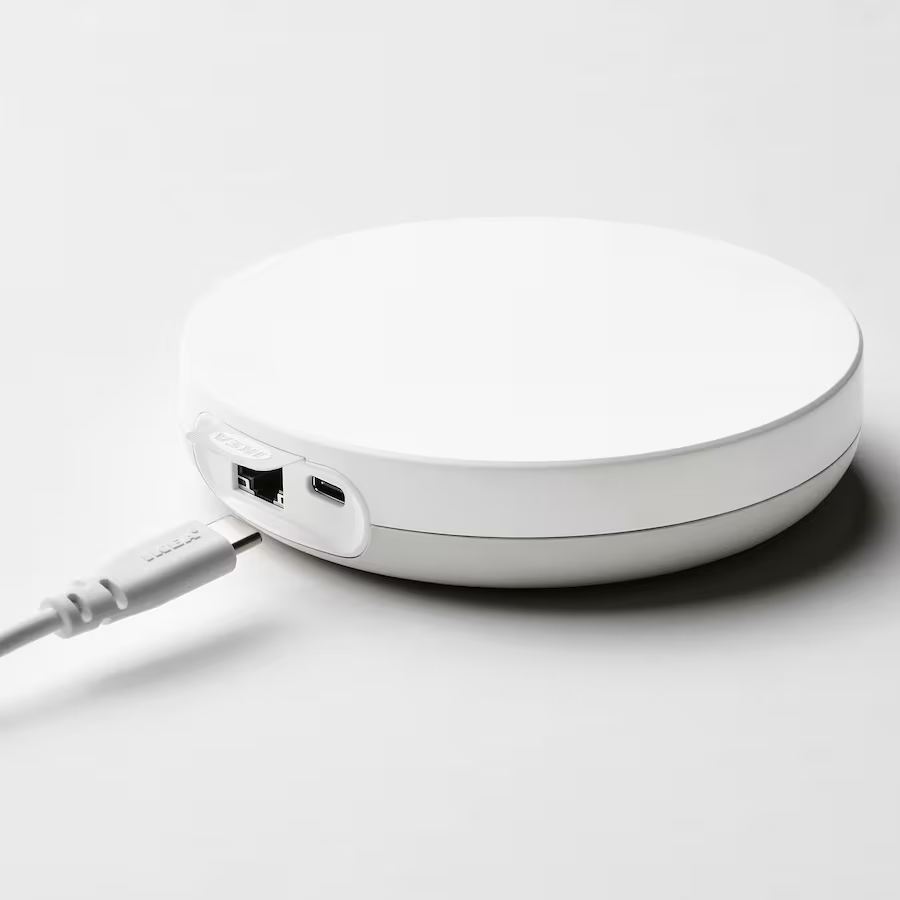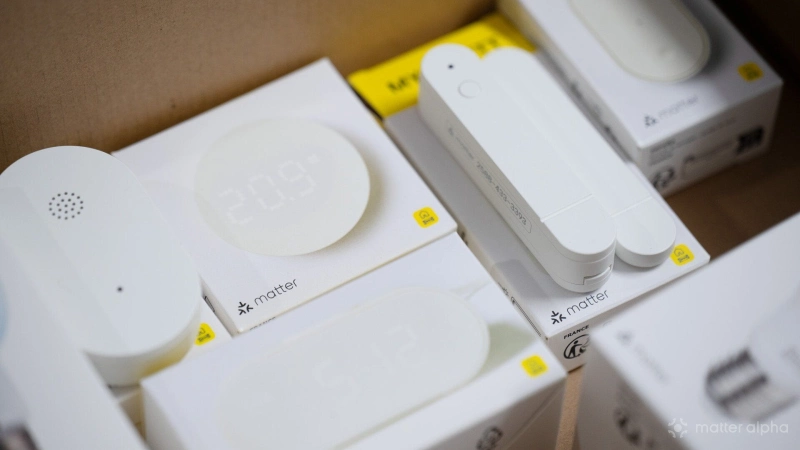
I was reading Matter-related articles as usual yesterday when one about Ikea’s connectivity issues appeared in my feed. It detailed complaints about unresponsiveness and onboarding failures of Ikea’s new Matter‑over‑Thread devices. And IKEA claimed to be working on it.
During the following day or two, more media outlets picked up the story, pointing fingers at Ikea and the tech stack behind it. Honestly, I’m a bit surprised. Ikea’s adoption – we’re talking about tens of millions of units for the first batch as far as I know – has certainly exposed and magnified weaknesses in Matter and Thread, but some of the criticism seems excessive.
I’ve discussed some of these issues in my previous end‑of‑year articles. Now seems like a good time to rethink and share my thoughts on the current state of Matter and Thread following the IKEA discussion.
Is 50% a scare rate for onboarding?
Among all the reports, one figure stood out – 50%. Setting aside that this was a single case in which a user tried to commission dozens of sleepy end devices (the IKEA new remotes) at once, what does 50% really mean? Put differently: you’re likely to successfully pair a Matter‑over‑Thread device within two attempts. That doesn’t sound too bad, right?
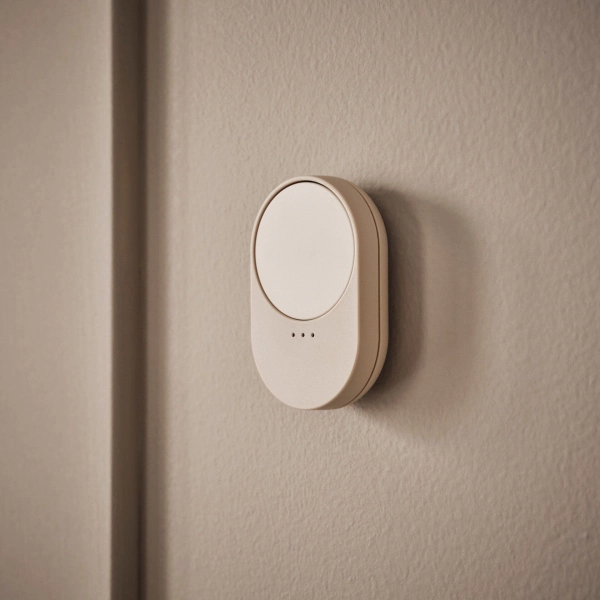
BILRESA scroll wheel
A tactile scroll-wheel remote that lets you adjust light brightness, colour, and scenes with a simple turn or press.
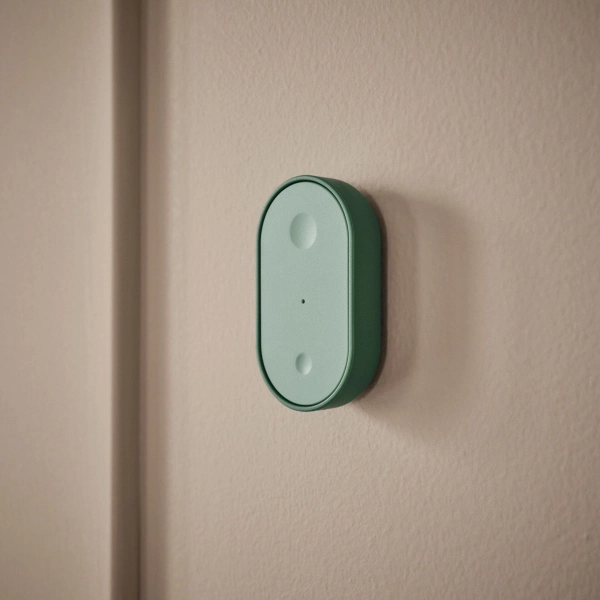
BILRESA Remote Control with Dual Button
A simple, two-button remote that lets you control smart lighting functions like power, brightness, colour, and scenes from anywhere nearby.
My test environment was messy – heavy radio interference (10+ Zigbee hubs, 20 Thread Border Routers, and 35+ 2.4 GHz Wi‑Fi devices in a small home space). There are 16 Thread Border Routers from different brands in various Thread versions attached to the same mesh for daily use. My onboarding and multi‑admin success rate for six different IKEA devices I recently received is around 50%.
But to be fair, this also reflects the general state of connected devices, not just Matter and Thread. For non‑Matter devices, say a Wi‑Fi device using a private protocol or a Zigbee device, there’s no guarantee of a first‑try pairing either. I often have to reset and try again.
Many Matter devices I tested last year performed below it. Some required ten or more pairing attempts, plus all sorts of troubleshooting, rebooting phone, hub, and routers, switching between Android and iOS, or onboarding from another ecosystem instead.
So what causes this gap?
Vendors usually estimate success through similar methods, and the figure I’ve often heard is over 90%. So what’s the root cause?
Matter is an application‑layer standard that runs on existing network infrastructure, routers, Wi‑Fi access points, network switches, and Thread Border Routers. It’s very sensitive to network conditions, especially when routers try to “optimize” by blocking or filtering Matter messages.
The dominance of smartphone ecosystems further complicates Matter. As I’ve mentioned before, many smart home apps rely on Apple HomeKit or Google’s SDKs to do the first talk with Matter devices. When setup failures appear on the iOS or Android interface, the device often hasn’t even reached ecosystem apps like Ikea Home Smart.
In worse cases, the setup experience in these ecosystems provides little meaningful troubleshooting information, usually just telling you to reboot or retry. In some cases – Amazon Alexa, for instance – an error code appears that yields nothing useful in a web search.
A hurting truth is that it’s nearly impossible for vendors to fully test every possible combination of devices and networks, for example: Deco Wi‑Fi + Ubiquiti Router + Nest Thread Border Router + SmartThings app on iOS. Swap out any one piece, and results may change.
Matter generally guarantees that under typical, standard conditions devices will work, but large‑scale adoption exposes rare but significant edge cases.
In my own network, one well‑known brand’s Wi‑Fi devices repeatedly crash no matter what I do, even after replacing all network gear. The vendor said they’d never encountered such an issue. Yet it happens.
What could be the solutions?
There’s a lot of work ahead for everyone involved with Matter. From the standards side, more tolerance and redundancy are needed to ensure successful onboarding and reliable control. Ideally, a proper fallback mechanism should exist when communication fails.
Because Matter depends heavily on network infrastructure, it could extend standardization to network hardware itself, network routers, Thread border routers, and access points that handle credentials and manage local traffic. Current definitions for Home Routers and Access Points within Matter remain basic and rarely adopted – improving this is high on my wish list this year. If Matter can truly standardize behaviors for these devices, onboarding and daily reliability would both improve. It might resemble Zigbee’s tighter system‑level control, but perhaps that’s exactly what’s needed.
Meanwhile, as Matter participants trying to solve the issues, we can only rely on devices that are more thoroughly tested and backed by ongoing support and firmware updates.
The hate and love
Whenever a friend asks my opinion about Thread and Matter, I tell them: when it works, it works great. That simple statement sums up the current reality in my experience.
In theory, Thread is fast, smart, and scalable, offering high autonomy and flexibility. Many test reports compare Thread, Zigbee, and Bluetooth; Thread generally performs faster, especially in multi‑hop scenarios where messages travel through several router nodes.
However, Thread’s connectivity and stability depend heavily on the Border Router, and reset part of your network. And ecosystem‑wise, it’s still fragmented – both in adopting new specs and in openness among vendors. Progress continues, but slowly compared to the faster, cheaper evolution of Wi‑Fi standards when we see Wi-Fi 6 starts to populate and cheap 5GHz light bulbs are expected to come soon.
Despite the frustrations, Matter has largely achieved its main goal: unifying the fragmented smart home market and giving users more options to escape cloud‑dependent systems and vendor‑specific hubs.
Over the past year, I’ve replaced many bridged devices with native Matter alternatives, especially sensors, and I wouldn’t hesitate to remove the remaining gateways – not just for what Matter promises, but for the real changes it has already brought to my home setup.
(Source: The Verge; Image: Matter Alpha/Ward Zhou)