After four years with IKEA’s Zigbee smart home products, I have replaced almost all of them with Matter-over-Thread alternatives. Six months into the switch, I have more freedom to choose how my devices work together, but I cannot say the new ones are dramatically faster or more reliable.
IKEA's new range covers familiar essentials, including bulbs, sensors and remote controls. Many cost noticeably less than the previous generation. Yet replacing the radio protocol has not made the old problems with setup, connectivity and response time disappear.
Here is what changed in my home, where the new products are better, and why I would not recommend you rush to replace a working IKEA Zigbee setup.
A better-connected home
Connectivity has been a weakness of both generations in my home. My 2.4 GHz environment is crowded, and I spent years dealing with IKEA Zigbee devices that were difficult to set up or would randomly disappear from the network. Adding Zigbee routers did not help much. Sometimes the mains-powered devices (TRADFRI plug and repeater) intended to repeat the signal would themselves drop out of the mesh.
Moving the new IKEA devices onto a unified Thread network improved things a lot. Coverage and the consistency of connections are better in my setup, and devices seem less likely to drop offline. But the improvement is modest, not the dramatic leap that someone might expect from replacing an older wireless system.
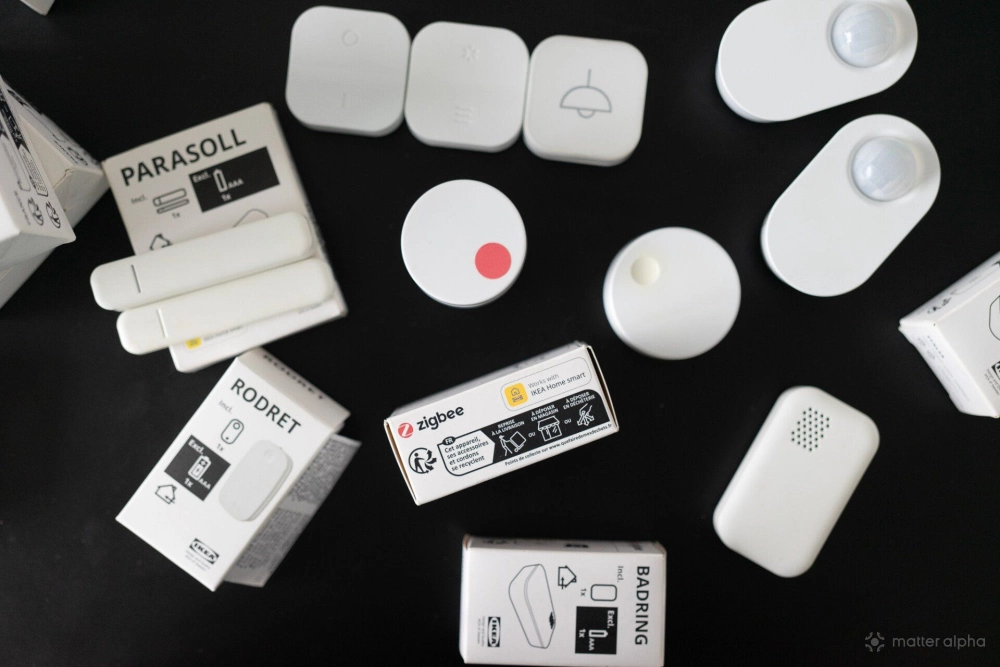
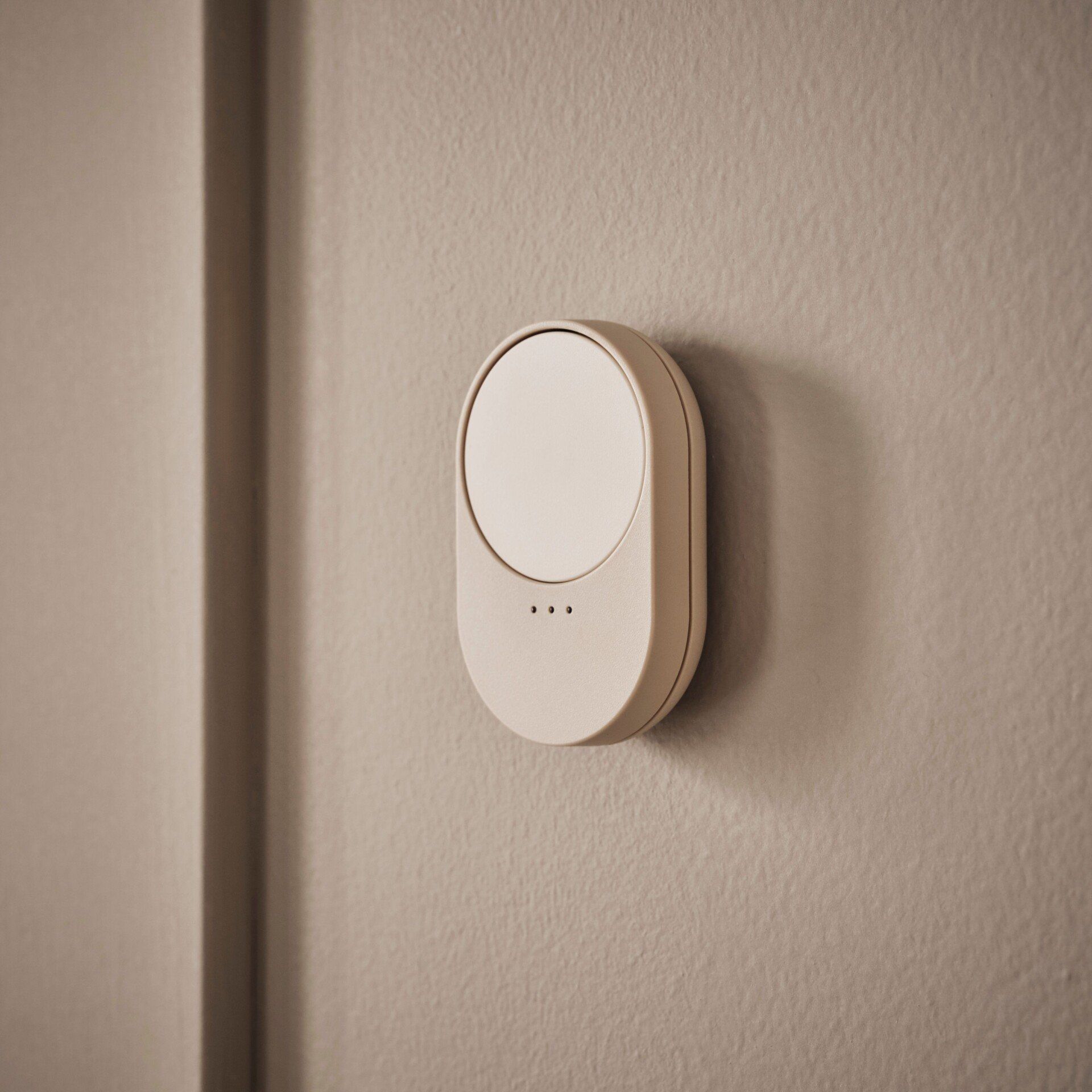
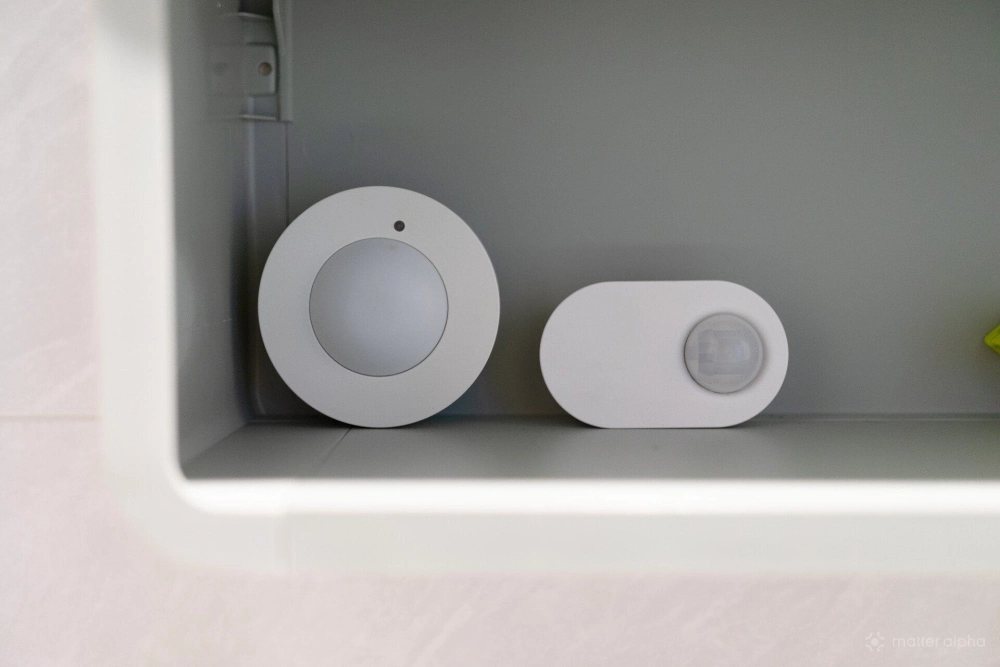
The difference is even less convincing when I actually press a button. Thread is designed for low-power, low-latency communication, but my IKEA Matter remotes have not been noticeably faster than the Zigbee ones. Sometimes, with more Matter devices sharing the network, the response takes longer than I expect. But sensors usually work well like MYGGSPRAY motion sensor.
That does not necessarily make Thread the culprit. A command can involve the device, the Thread mesh, a border router, a Matter controller and an automation before anything happens. Still, the technical explanation does not change the experience: a light switch should respond when I press it. For now, neither generation consistently meets that expectation in my home.
Setup is less frustrating, yet more complicated
Pairing was one of my biggest complaints about IKEA Zigbee. The process looked simple: put the device into pairing mode, let the app discover it and finish setup. In practice, I estimate that only around 30% of my attempts succeeded on the first try, sometimes less with battery-powered devices.
Early firmware on IKEA’s Matter devices improved my estimated first-attempt success rate to about 50%. That was better, but still meant repeated attempts and occasional resets based on my own use.
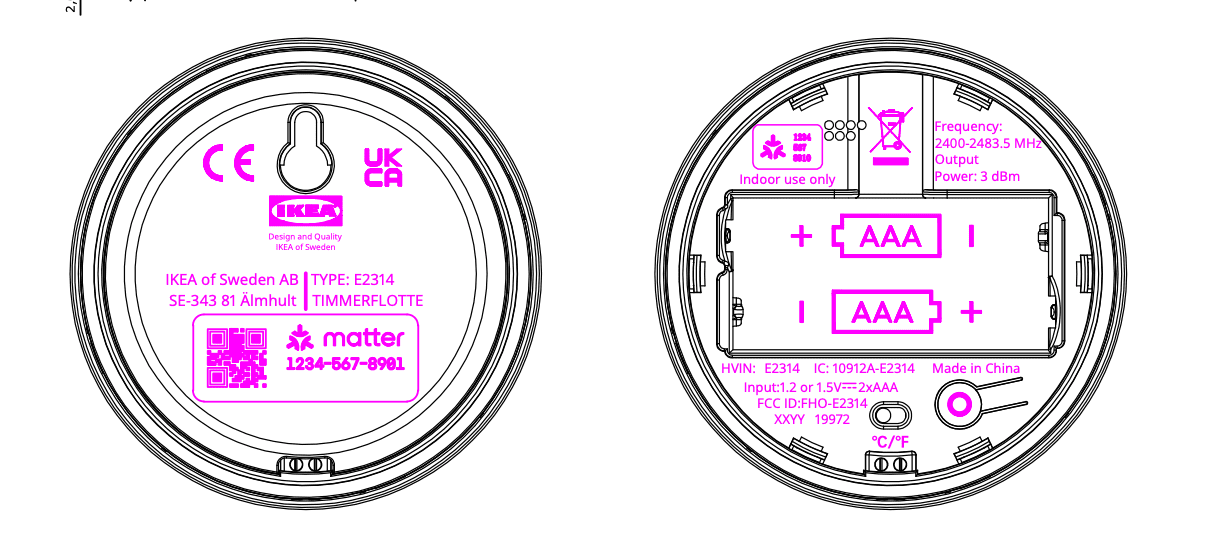
Matter also makes a simple task feel more involved. Instead of relying on automatic discovery inside IKEA Home smart, I need to scan a QR code and pass through an Apple or Google commissioning workflow. The extra steps create more places for things to go wrong. When one of those platform workflows has a bug, the problem is not necessarily something IKEA can fix.
Later firmware has made the devices stable enough for daily use, but the setup experience still needs work. Matter’s promise of interoperability is useful only after a device has successfully joined the network.
The real upgrade is freedom
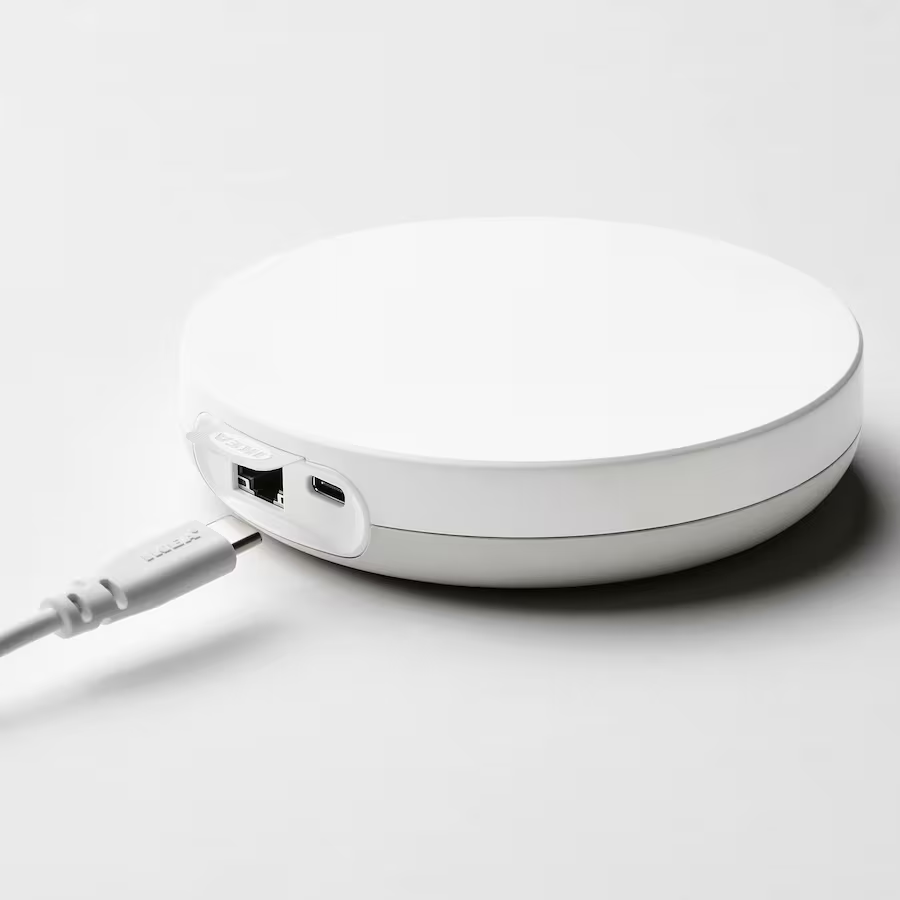
Where Matter has made a clear difference is what I can do after setup. I can use the same IKEA devices across the ecosystems in my home, including IKEA Home smart, Home Assistant, and Apple Home, while keeping the familiar pairing and binding experience in IKEA’s own app. The controls can work locally instead of depending on a cloud service to pass commands between platforms.
One button press in my home now starts a wind-down scene in IKEA Home smart and also triggers a series of automations in Home Assistant. I do not need to give up the easy controls IKEA designed just to build more complicated routines elsewhere.
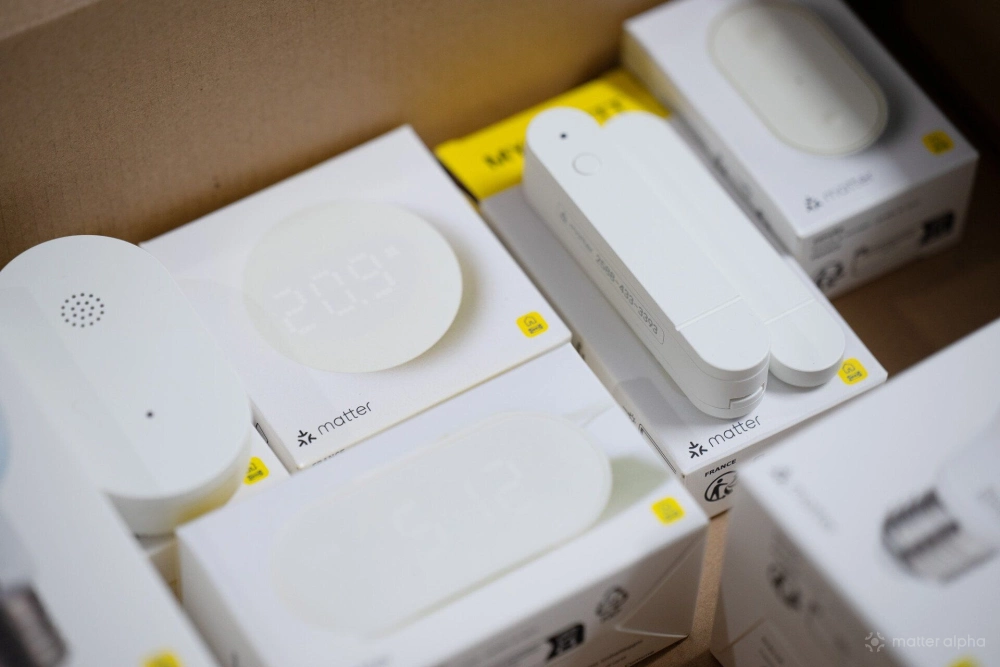
A Zigbee setup can also be integrated with third-party systems, especially through a capable hub or coordinator. The difference for me is that Matter makes sharing a device across supported platforms a standard part of the experience rather than something I need to build around one particular Zigbee integration.
This freedom matters more than a small improvement in speed. A smart home rarely stays inside one brand’s app, and the ability to keep IKEA’s simple controls while expanding into other systems makes the new devices more useful over time.
Lower prices with compromises
The other big reason to consider the new lineup is price. In the models I have compared, IKEA’s Matter replacements have often been about 30% to 50% cheaper than their Zigbee predecessors while preserving comparable basic features. That is a substantial difference when buying several bulbs, buttons or sensors for an entire home.
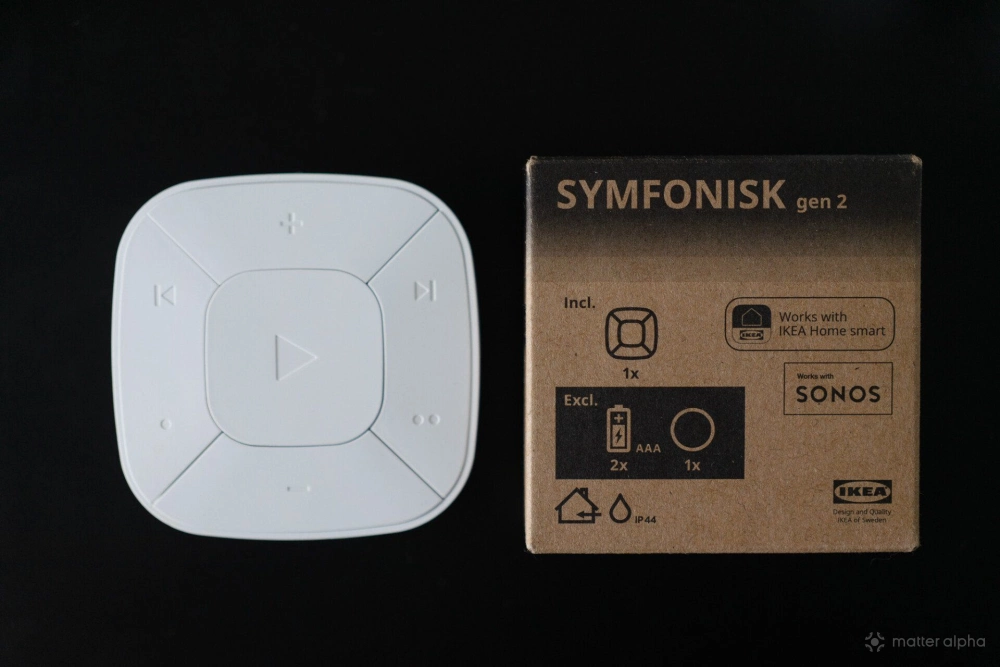
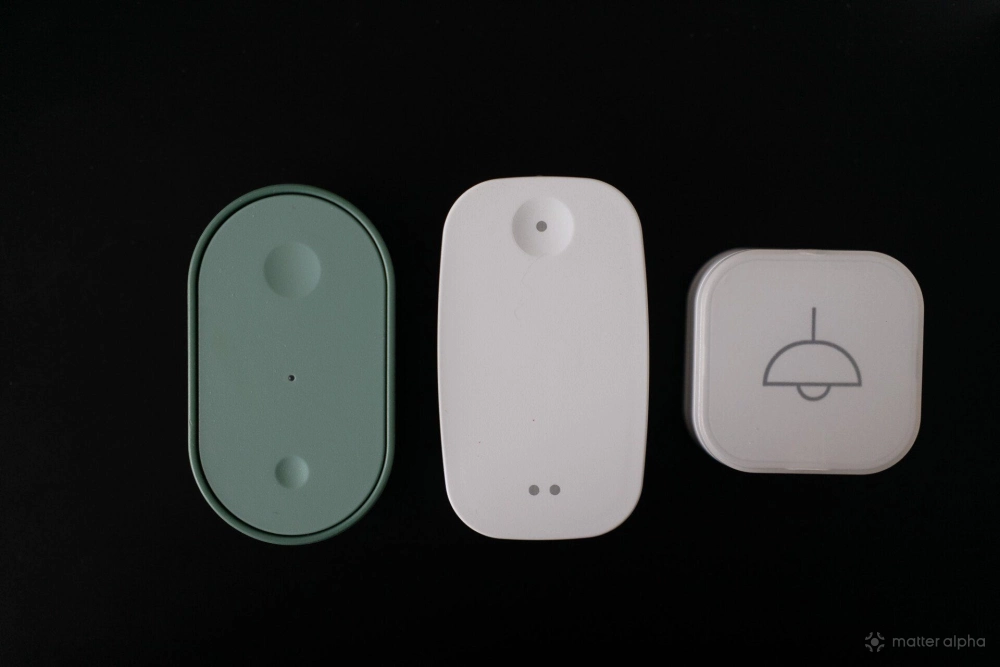
There are trade-offs. The older IKEA Zigbee range included some remarkably small, purpose-built controls, from shortcut buttons to compact remotes. I particularly miss the SYMFONISK remotes, which made adjusting music for Sonos systems feel immediate and intuitive. Not every good physical control needs a screen or an app.
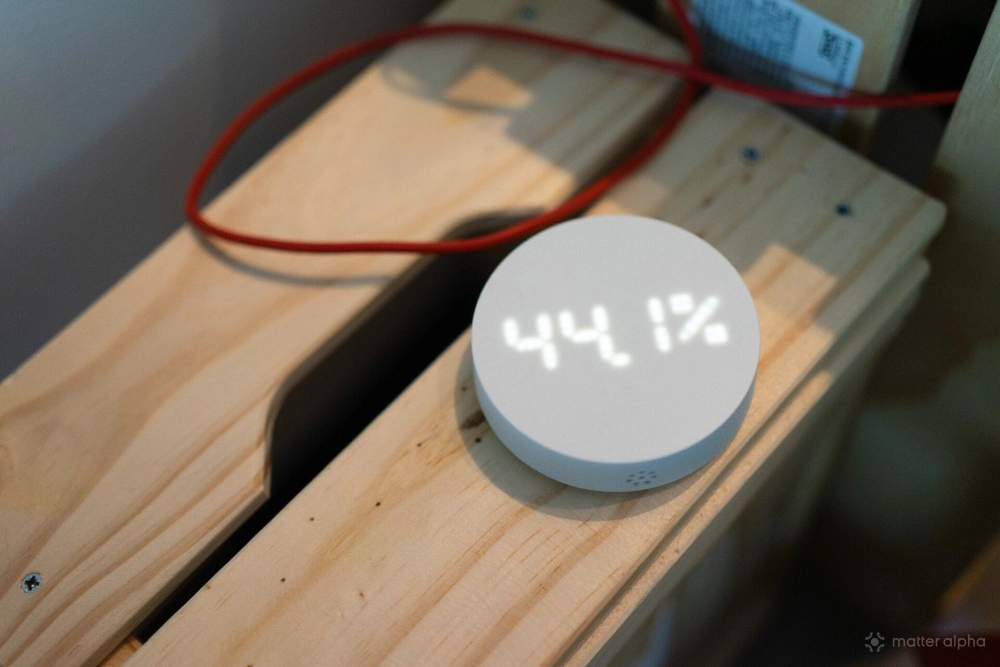
Several newer devices use AAA batteries, which are easy to replace but can make the products bulkier. Build quality also feels slightly less refined on some Matter models. The new ALPSTUGA air quality monitor is a useful example: the older VINDSTYRKA had a large LCD that presented more information at a glance, while ALPSTUGA used a much simpler dot-style display. The newer design still looks clean, especially at roughly half the price in my comparison, but something has been lost.
IKEA is good at making these compromises look deliberate. Its smart home products generally fit into a room rather than demanding attention as gadgets. The older STARKVIND air purifier is still my favorite example of that thinking. Instead of another bulky tower, IKEA made a purifier that doubles as a functional side table. I still hope the company carries that furniture-first approach into its future Matter products.
Battery life and OTA experience
Battery life is another area where it is easy to give Matter some credit. That distinction matters more when comparing the generations. Some early IKEA Zigbee products were notorious battery eaters in my home. I have seen a single firmware update consume roughly half the reported charge of a coin-cell battery.
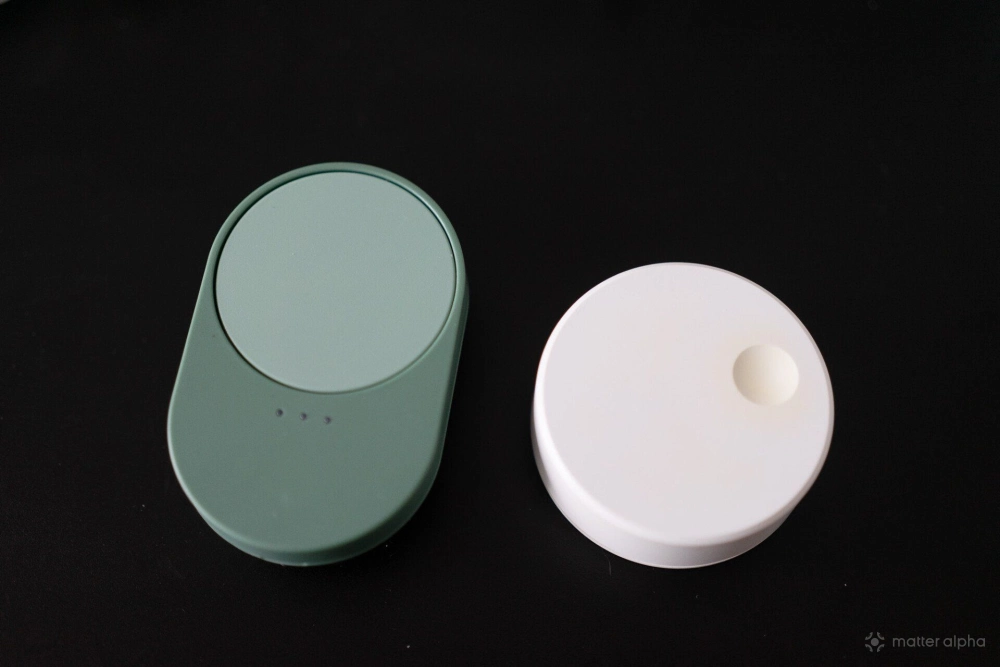
But IKEA had already improved things with later AAA-powered Zigbee devices. In my experience, their battery performance is broadly similar to that of the current Matter models. The meaningful change was partly a hardware and battery choice, not just the wireless protocol.
Firmware updates have been more encouraging. Updating the older Zigbee devices could be unreliable, and failures were common in my setup. With Matter, I can manage updates through Home Assistant or Apple Home, which makes the process more accessible. Some Matter updates still fail, so it is an improvement rather than a solved problem.
Should you switch?
I have already replaced almost every IKEA Zigbee device in my home. My remaining holdout is the air purifier, which I would like to replace when IKEA offers a suitable Matter alternative. Listings for unreleased IKEA air purifiers have surfaced recently.
I would not tell someone with a working Zigbee setup to replace everything now. IKEA’s current Matter firmware is stable enough for me to keep using it, but pairing, control latency and occasional connection problems still fall short of what a very average customer expects from something that should just work. Just wait for another round of hardware and firmware improvements before making a wholesale switch.
But if you are still using the very first batch of IKEA Zigbee devices, the new line up should improve your daily experience overall despite the larger form factor to fit AAA batteries.
For a new purchase, the choice is hard. Lower prices, local multi-platform control and an increasingly broad lineup make the Matter versions appealing.
After more than six months, the biggest benefit of moving to Matter is not that everything works better. It is that IKEA’s affordable, well-designed devices can now play a more flexible role in a mixed smart home. The next step I expect is making that freedom feel as simple and dependable as the furniture around it.
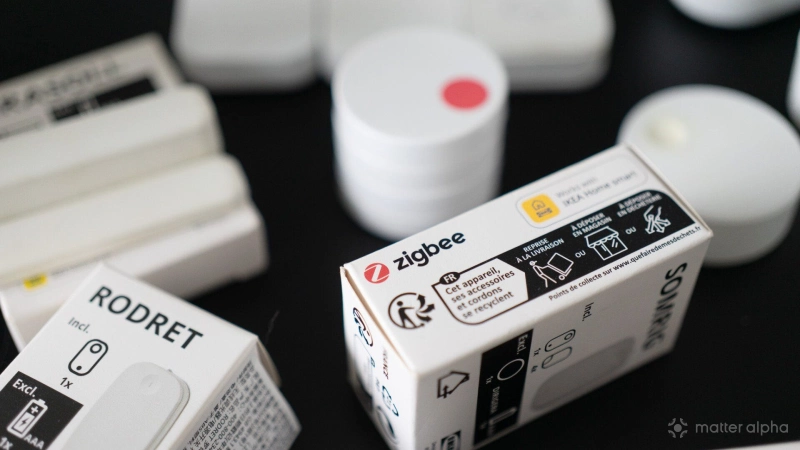
(Image: Matter Alpha/Ward Zhou)