Go deep enough into building a smart home, and you eventually start placing small buttons and sensors all over your living space. These are neither hardwired into a wall nor do most even come with a power cable. These tiny gadgets run on batteries, and the type of battery inside is important enough to factor into your buying decision.
The question comes down to AAA batteries vs coin batteries
A battery can determine whether a product is a genuine investment or a disposable experiment. All products with a built-in battery come with an end of life date, but a device with a replaceable battery can likely last decades as long as it's well maintained and the networking protocols it connects to continue to exist.
Small Matter smart home devices tend to run off of two types of batteries. On one side, you have those that utilize commonplace AA and AAA batteries. On the other side, you have devices powered by circular coin batteries commonly found in watches and other small electronics.
AA and AAA batteries are more accessible
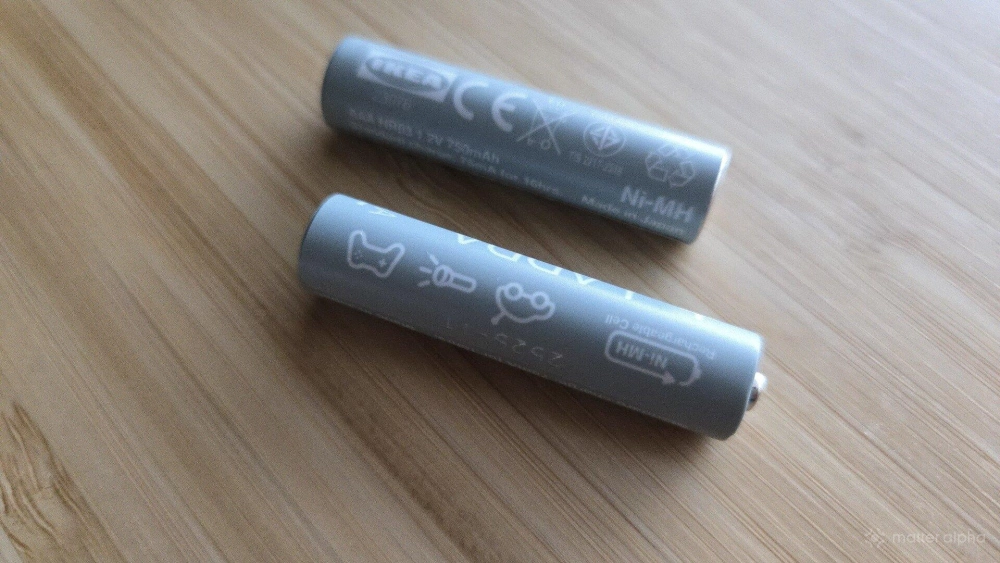
I don't need to explain to you what a AA or AAA battery is. While they're no longer as ubiquitous as they once were, chances are you've seen them in the grocery store line. You've probably purchased a pack of batteries to put into your game controller, TV remote, or just a stuffed animal that lights up. You know where to find these batteries when you need them, and you may even have some lying around.
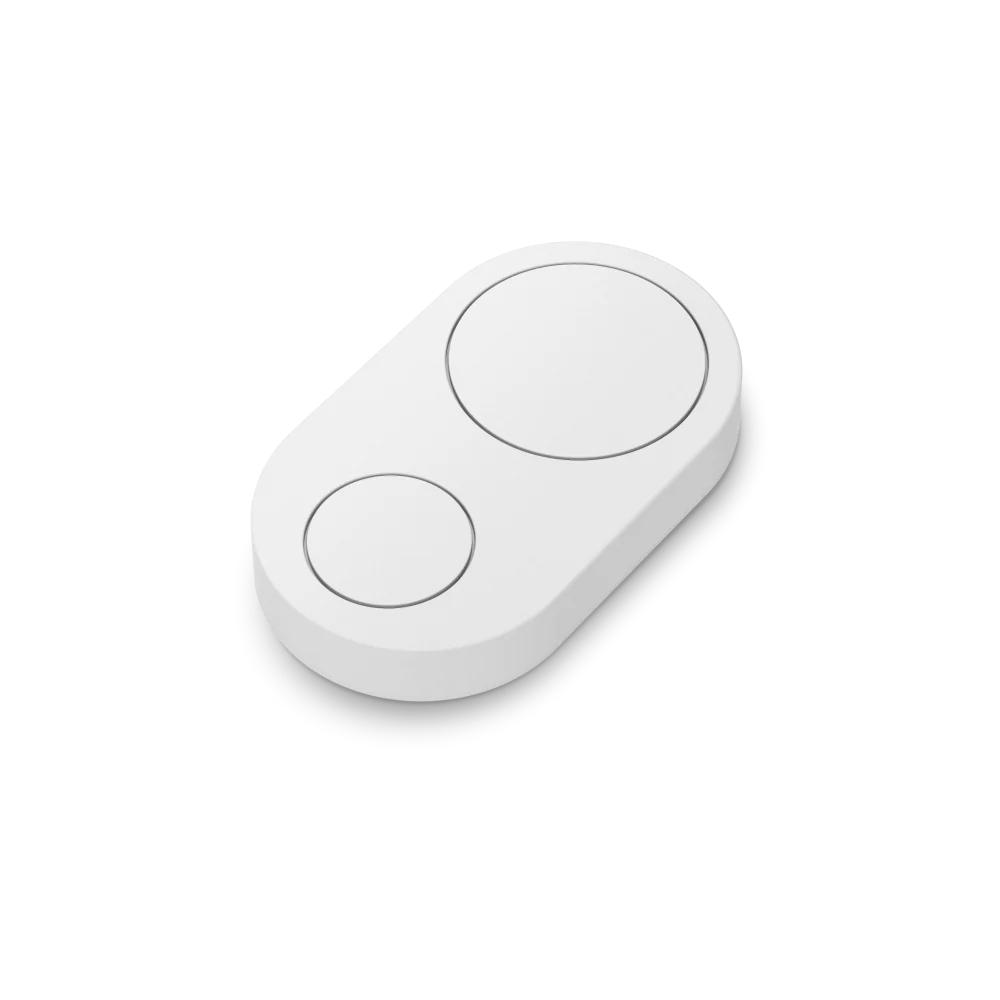
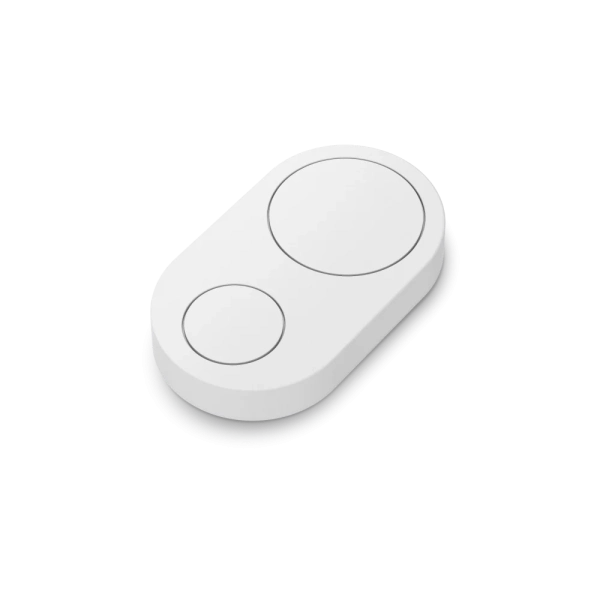
Coin batteries are a bit more niche. You might find them near a checkout line, but most of us don't know the name of one size versus another. If I tell you that the Flic Duo smart home button is powered by a user replaceable CR2032 battery, can you immediately picture what that looks like? Other than the vague notion that this is a flat circular battery, I couldn't tell you with certainty how big or thick this particular battery might be or where to get one without looking it up. I simply have never needed to interact with them that often, and I write about gadgets for a living.
AA and AAA batteries are also more sustainable
I personally don't buy batteries all that often. That's because I switched to rechargeable AA and AAA batteries many years ago, and my initial batteries are still holding up. I buy new batteries when I need more than I have, but once I have enough, I keep charging my existing batteries as needed and cycle them through my devices.
This means that my AA and AAA batteries take much longer before they end up in a landfill. An efficient Matter device running off a coin battery, like my SwitchBot Motion Sensor, might hold a charge for two years. After that, the battery is drained and ready to be disposed. In contrast, some of my Panasonic Eneloop rechargeable AA and AAA batteries are over five years old.
Rechargeable coin batteries, sadly, aren't really a thing. Fortunately, smart home platforms want Matter devices to consume less energy, which would extend the lifespan of both types of batteries.
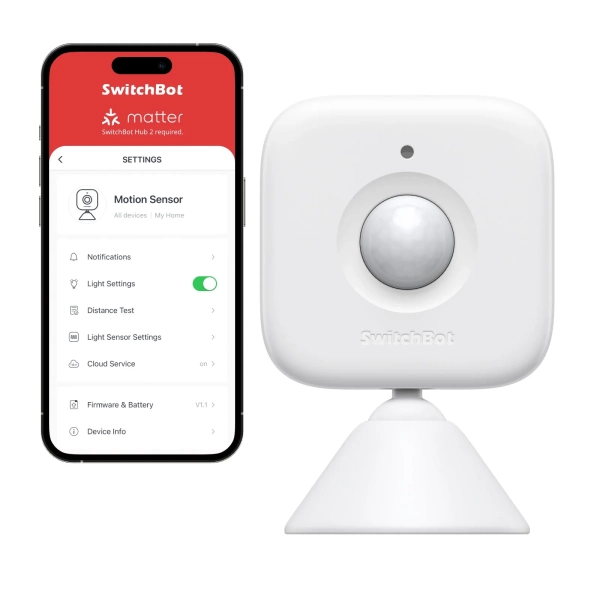
SwitchBot Motion Sensor
Batteries vary wildly in cost
Regardless of which battery type you're looking for, how much you pay has a lot to do with the brand you buy. Duracell is going to charge more than a no-label brand from Amazon. Duracell, however, is a known quality that has gone through a certain degree of quality assurance that is important when talking about something that can catch fire or explode. The same is true regardless of whether you're going with Energizer or IKEA.
At the time I'm writing this, a 10-pack of Duracell CR2032 batteries would cost me roughly $10 on Amazon. Meanwhile, a 10-pack of Duracell AAA batteries would cost me just over $8. Thing is, devices tend to run off a single CR2032 battery, whereas they may need up to four AAAs.
If you shop around, you can find aggressive discounts when buying in bulk. A 32-pack of Energizer AAA batteries currently goes for around $16, and a 36-pack of Amazon Basics AAAs is even lower at just under $14. To be clear, Amazon's batteries have a smaller capacity, so you're actually getting less juice for your money, but the fact remains that you don't have to spend a lot on either type of battery if you don't want to. I don't see bulk amounts of CR2032 batteries from brands that I recognize, but you can easily get a 48-pack of Powerowl batteries for $16.
The math changes even more when you consider different types of coin batteries. Rather than CR2032, some use CR2450, which can cost up to $3 each. A CR123 battery costs even more, with some going for $5.
Coin batteries have only one clear advantage
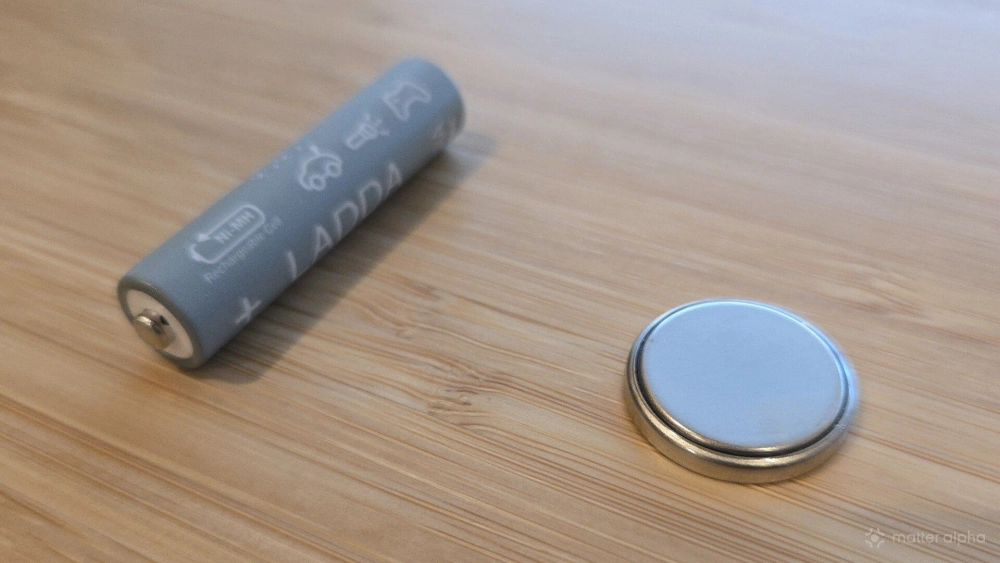
Coin batteries are smaller than AA and even AAA batteries, which is why you find them in watches. Imagine the size of a wristwatch that's powered by AAAs!
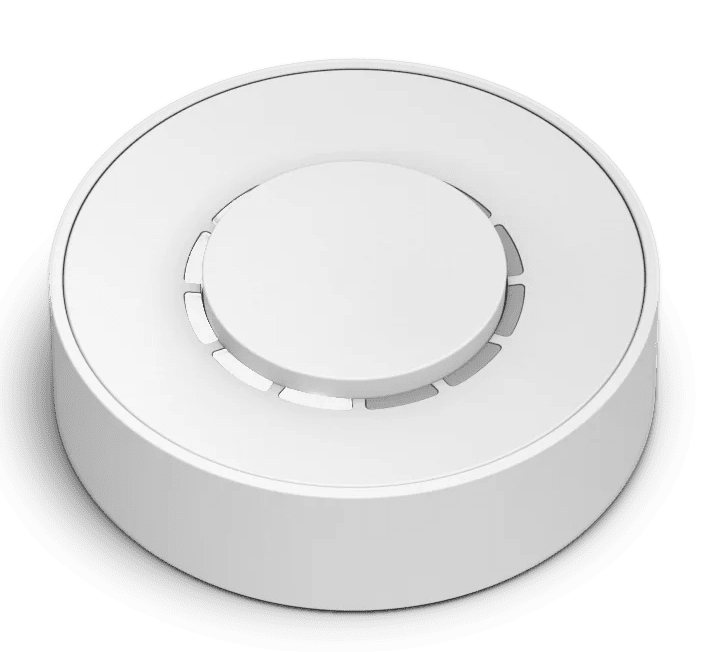
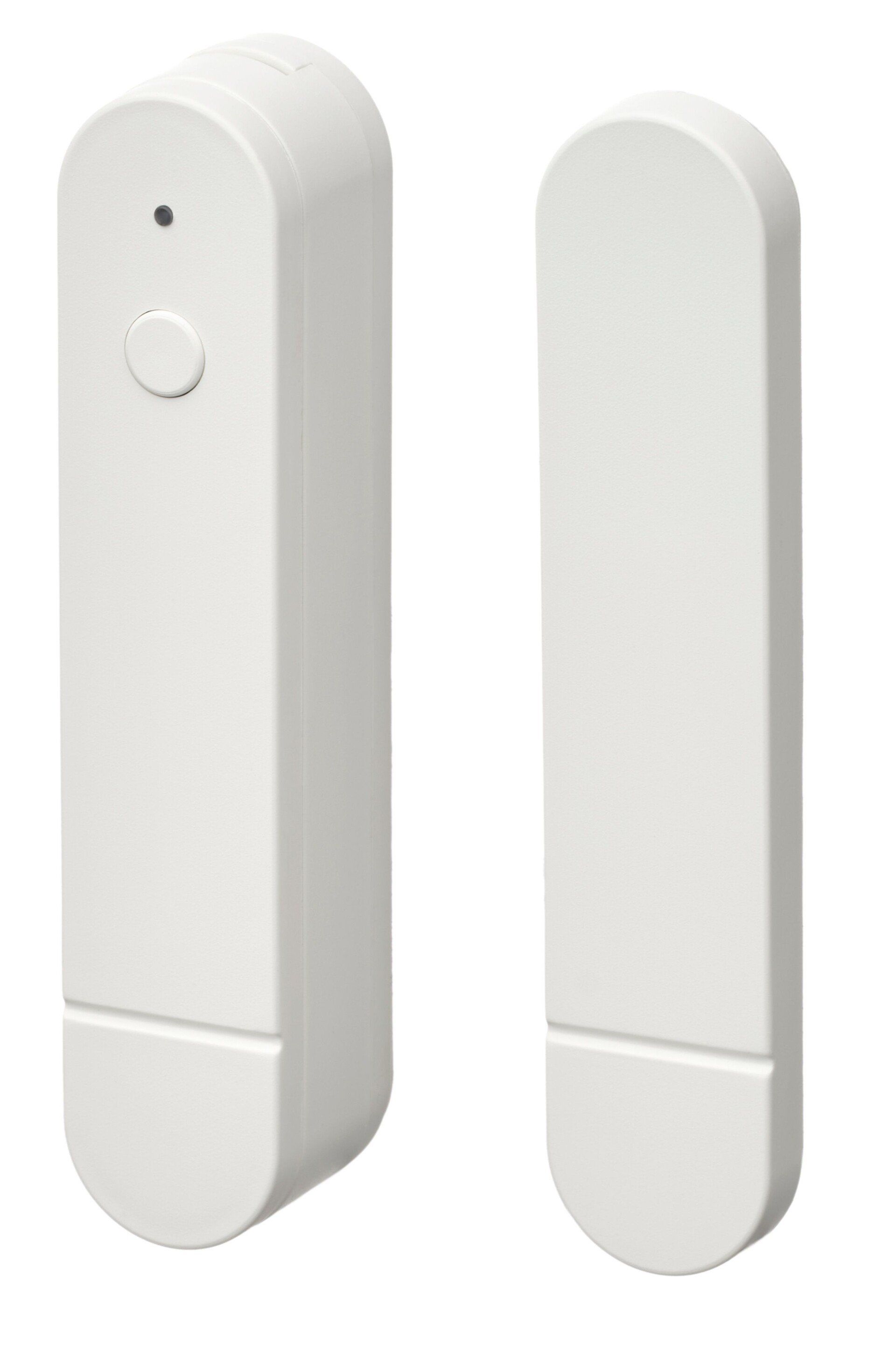
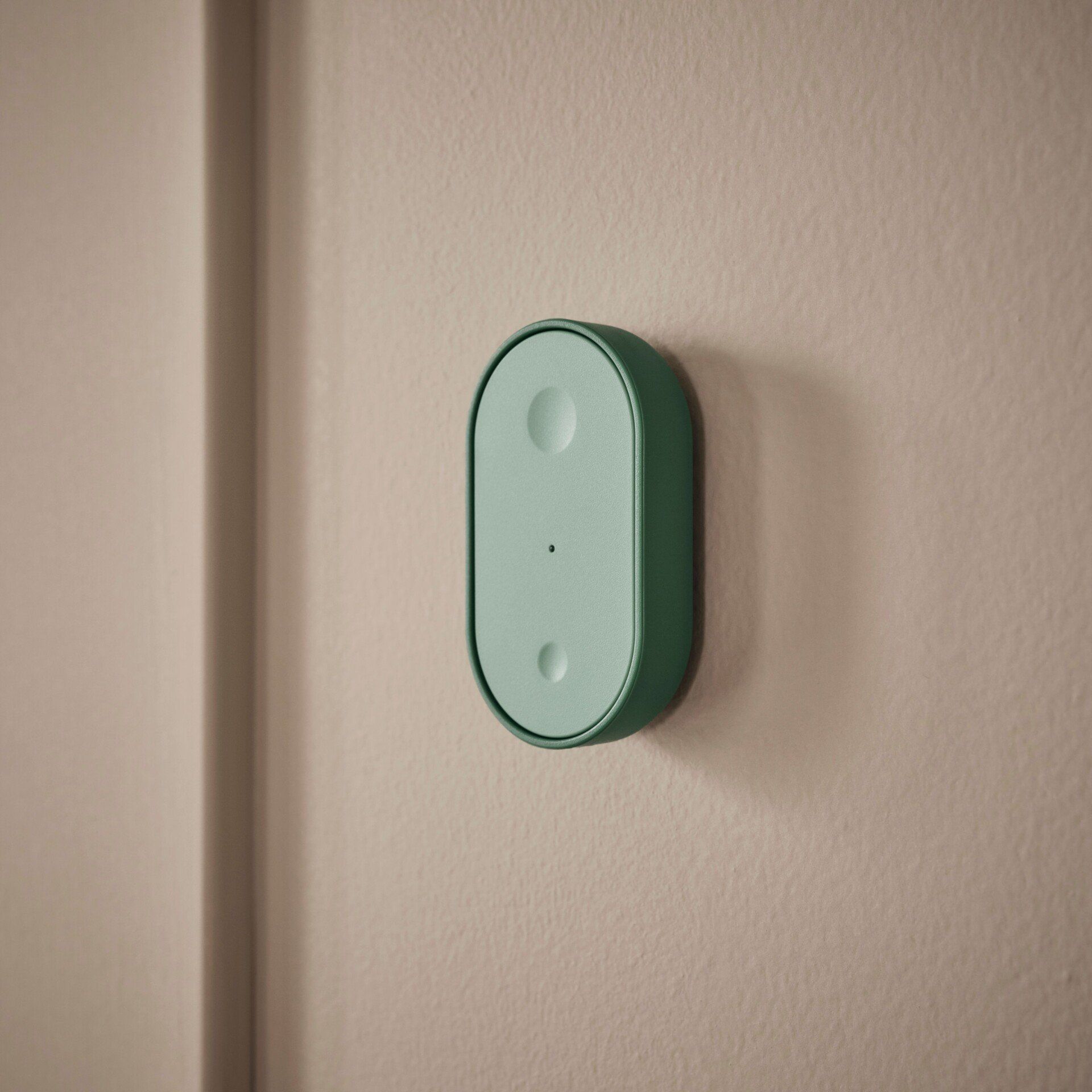
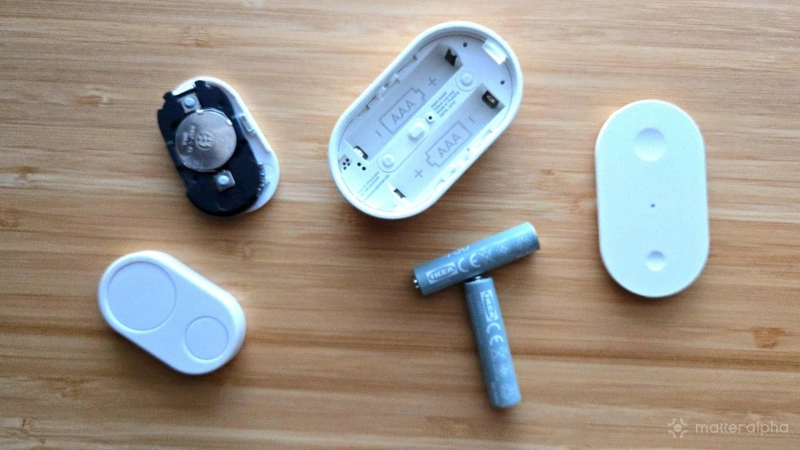
AAA batteries are viable for devices that are long, like the IKEA BILRESA dual-button smart home controller or IKEA's MYGGBETT door and window sensor. They're not going to fit in something tiny, like the Flic Twist.
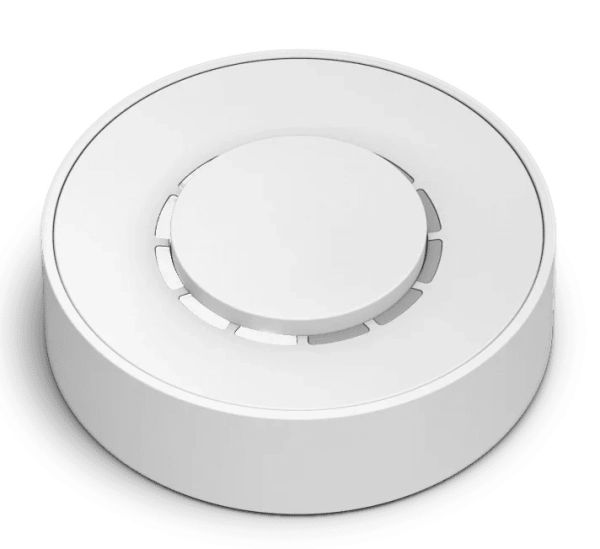
Flic Twist
The Flic Twist is a powerful smart home controller that combines a button, dial, and 12-mode selector to control up to 24 triggers and 12 dimmers from a single device.
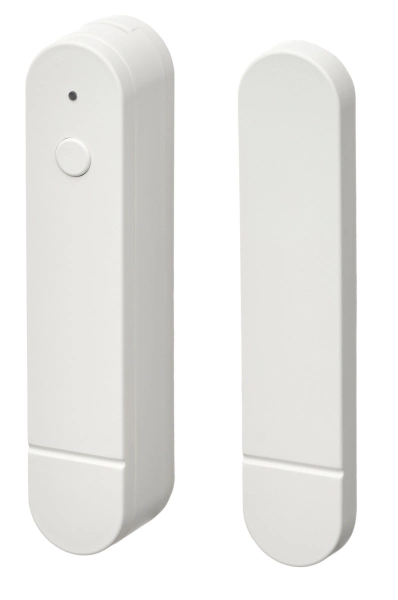
MYGGBETT Door/Window Sensor
A smart, discreet sensor that detects door or window movement and can trigger notifications or automate lighting.
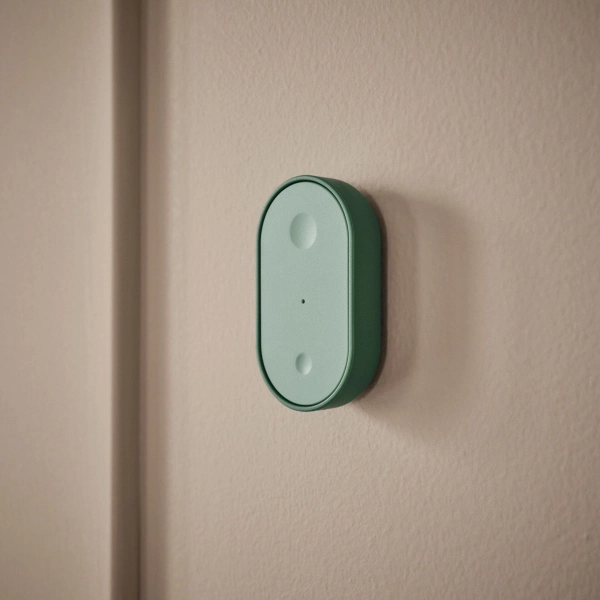
BILRESA Remote Control with Dual Button
A simple, two-button remote that lets you control smart lighting functions like power, brightness, colour, and scenes from anywhere nearby.
This means that product designers have more flexibility with their designs if they opt for a smaller coin battery over a relatively space-hogging AAA battery. How much this matters depends on the shopper. If you place the AAA-powered IKEA BILRESA next to the CR2032-powered Flic Duo, the former looks quite gargantuan.
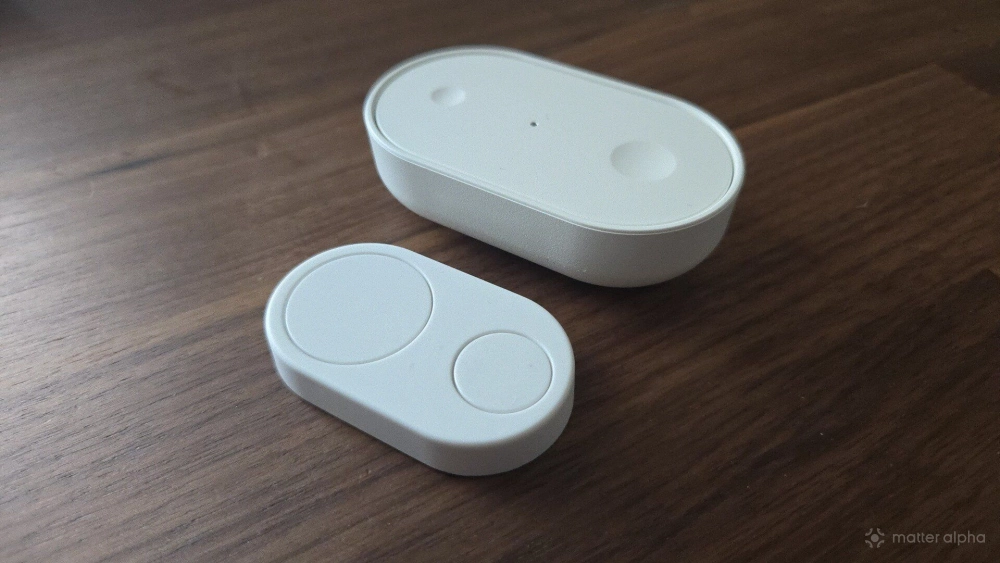
How much the size difference matters depends on preference and where you intend to stick the product. Miniaturization isn't always better, and a larger button mounted to the wall is easier to reach for at night.
Personally, I prefer to see a device run off AAA batteries. That reduces the type of battery I need to have lying around my home. I reached out to my colleagues here at Matter Alpha, and they happen to agree. This is why we're happy to see that IKEA has embraced AAA batteries in its latest Matter product line.