
Smart home devices typically work well with Wi-Fi, but some are even better when they have Thread. The long-range, low-power wireless standard is becoming increasingly popular with manufacturers looking for an easy solution to battery challenges and remote applications. Sensors are the obvious solution for Thread, but it has many other users in small and larger smart home gear.
To illustrate this, and hopefully help you to make the right choice with your next smart home purchase, here are five devices that are much better with Thread.
Smart light bulbs
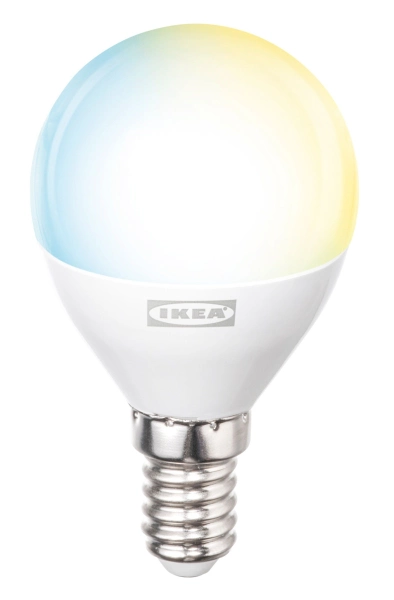
KAJPLATS E12 WS Globe
A powerful smart LED bulb with adjustable white tones and dual Zigbee/Thread connectivity for flexible, connected lighting.
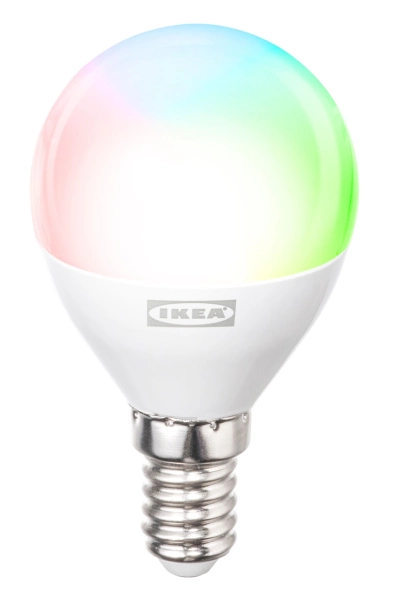
KAJPLATS E12 CWS globe 800lm
A powerful smart LED bulb with adjustable white tones and RGB and dual Zigbee/Thread connectivity for flexible, connected lighting.
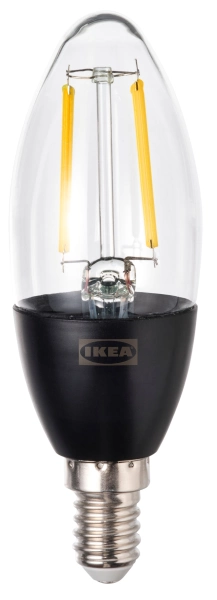
I think the first smart device I ever bought was a Wi-Fi bulb, but as with many devices you’ll see in this list, 802.1x wireless – the type that is served to your home via your router – is simply unsuitable for something as low-fidelity as a light bulb. Even RGB bulbs with millions of colors.
Thread is increasingly appearing within lightbulbs (or lamps) with IKEA’s KAJPLATS range in particular offering Matter over Thread support (as well as a hidden Zigbee mode for older smart homes).
One of the main advantages of a Thread bulb is support for router functionality, relaying data between other Thread hardware. This isn’t a universal feature, however, so confirm with the bulb’s manufacturer website before committing to spending.
Door and window sensors
Useful for home security, door and window sensors also integrate into your smart home via advanced automations. So, you might configure Matter so that when you open a window, your thermostat reduces the temperature.
The size of these sensors makes them perhaps Thread's most natural use case within the smart home. They're small, they’re battery-powered, and they can be scattered around the house and only transmit tiny amounts of data.
Low power consumption and mesh networking suit window and door sensors well, and the sheer number of options for placement and integrations offer a real advantage. Window left open? Alert can be set. Door to kitchen shut during cooking? Activate extractor fan or other HVAC unit. These are all great integrations that are ready to use. If you already have a device that acts as a Thread border router, you’re good to go.

Google TV Streamer (4K)
The Google TV Streamer is a dual-purpose device with Matter compatibility and a built-in Thread border router, enhancing smart home connectivity and 4K streaming.
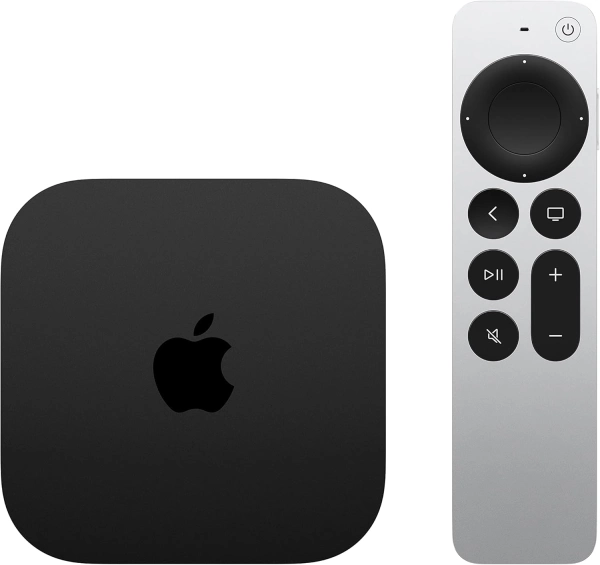
Apple TV 4K (3rd gen, 128 GB)
A powerful 4K media player with expanded storage, advanced video and audio support, and smart home hub functionality.
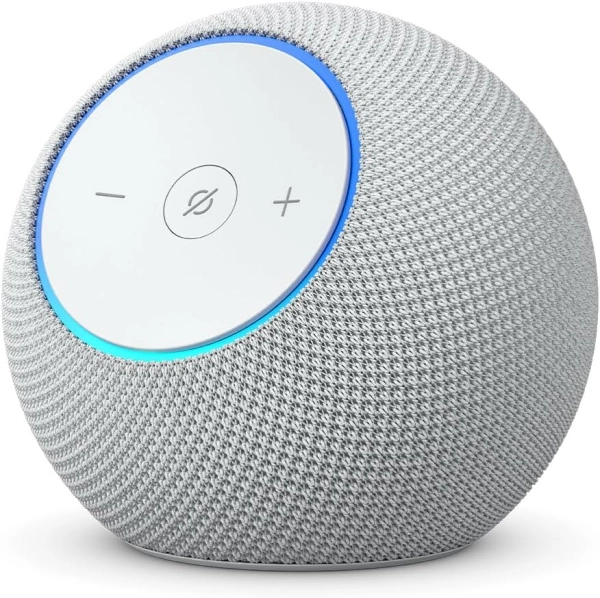
Echo Dot Max
A compact smart speaker with a two-way design that delivers deeper bass, clearer highs, and adaptive room-filling sound.
Motion and occupancy sensors
Similarly small, and with the same battery bonus, motion and occupancy sensors have a key advantage: responsiveness. Window and door sensors are useful for detecting which rooms are being accessed, but that can be taken to a whole new level with Thread mmWave-based motion and occupancy sensors.
When a sensor is controlling lighting, even a noticeable delay between entering a room and the lights coming on becomes irritating. With occupancy and motion sensors, that delay is reduced as a group of sensors can determine which rooms are about to be accessed, and activate the lights in advance of the door being opened. This forward-thinking isn’t limited to lights, either.
Heating systems, blinds, and any other smart tech that integrates with a Thread-heavy Matter smart home should also respond on cue. With many Thread border routers available to buy, any concerns over range for this mesh networking standard can be put aside.
Smart locks
Increasingly integrated into smart locks, Thread offers a whole new dimension to home security concerns beyond door and window sensors.
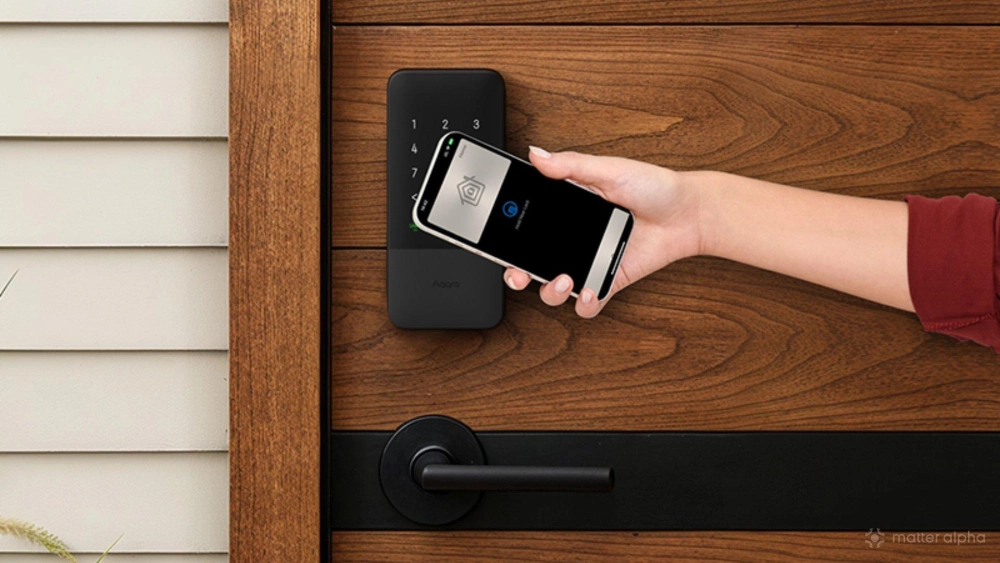
Matter-compatible smart locks are typically battery-powered and often located at the edge of a home's wireless coverage, which is where Thread proves particularly useful. Low-power mesh connectivity via Thread means integration across the Matter smart home, while Aliro ensures secure credentials. (The Aqara Smart Lock U400, pictured, has Thread.)
No power-hungry Wi-Fi connection is required when Thread is present. Its range is also an advantage here, too. Smart locks may not only be required for the property’s main doors, but for exterior access too – gates, doors to outbuildings, etc. Thread smart locks are growing in number, and the mesh networking standard has helped to improve the quality of these devices.
Smart blinds and shades
Thread-equipped smart blinds and shades is a bit of a game changer for managing light and dark around your smart home. The fact is, automated blinds don’t need Wi-Fi, the bandwidth is way too much for a simple on/off (or open/close) command. Thread solves this by being low power, long-range, and perfectly low-bandwidth.
Power for smart blinds differs. Some have rechargeable batteries, whereas other, older units rely on mains electric (either hardwired or via DC adapter). Increasingly, they’re powered using solar panels, mounted behind the upper portion of the blinds, out of sight.
Smart blinds are typically distributed around a house, again making Thread’s mesh topology particularly useful. Link this up in Matter with Thread occupancy sensors, and a some time-based triggers, and the smart blinds will seem almost intelligent.
Smart buttons and remotes
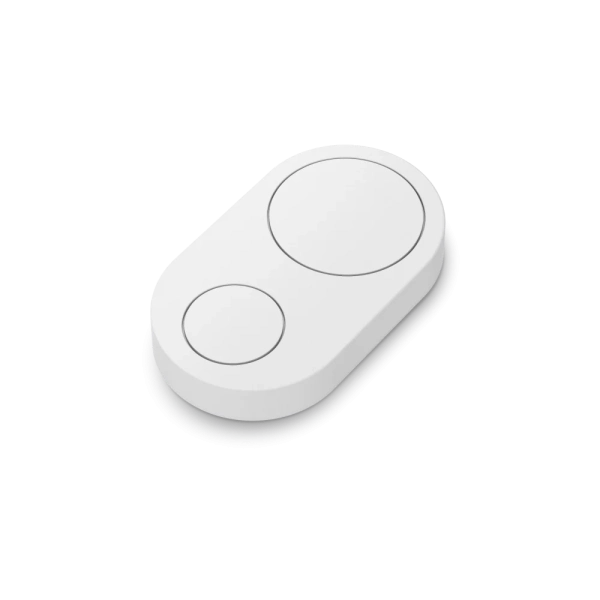
Flic Duo
A minimalist smart button with dual controls, the Flic Duo streamlines your smart home and productivity with seamless wireless functionality.
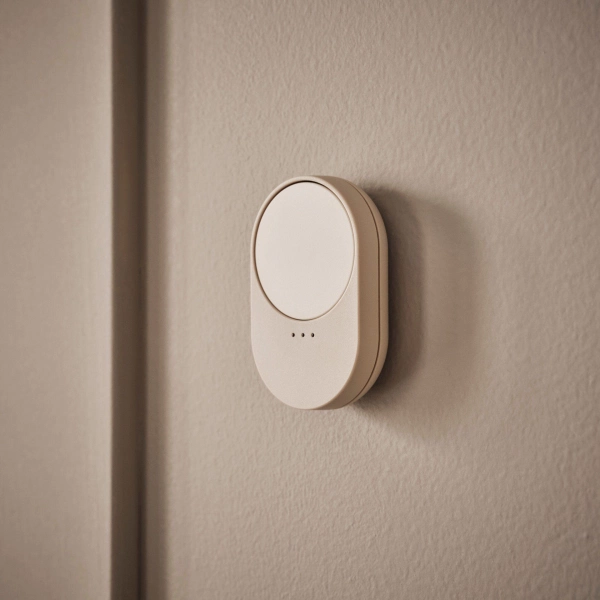
BILRESA scroll wheel
A tactile scroll-wheel remote that lets you adjust light brightness, colour, and scenes with a simple turn or press.
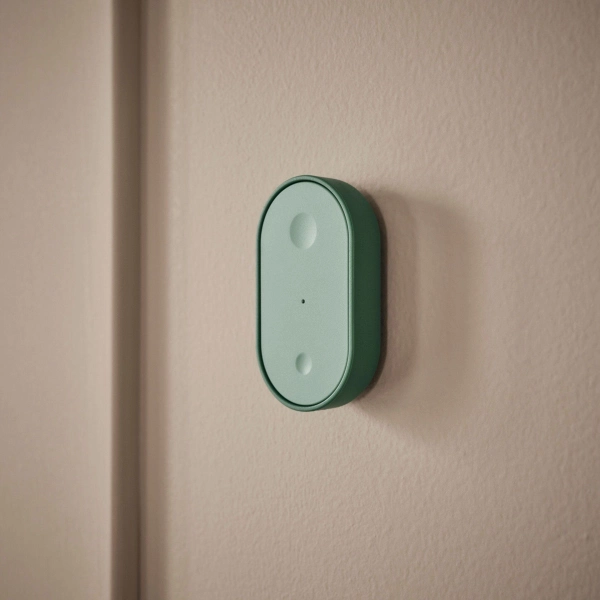
BILRESA Remote Control with Dual Button
A simple, two-button remote that lets you control smart lighting functions like power, brightness, colour, and scenes from anywhere nearby.
This might be my favourite category of Thread hardware. While a button might send only a handful of commands every day, putting Wi-Fi into it is overkill. On the other hand, Thread is almost tailor-made for this sort of low-power control device.
Typically wall-mountable, these compact buttons and remotes can be used for any number of tasks, from switching on lights and activating blinds to triggering pre-configured automations or scenes.
These devices are usually low price, too. The IKEA Bilresa, for example, had an RRP of $7.99 for the two-button option, whereas the variant remote with the wheel control is $9.99.
Water leak sensors
Thread has revolutionised the potential for all manner of sensors, and those designed for detecting water leaks have benefitted particularly well.
I’ve gained some hands-on experience using the IKEA KLIPPBOK water leakage sensor, and found that it is both compact and easy to use. It relies on a pair of AAA batteries, which have so far lasted around six months, and emits a high-pitched alarm when it comes into contact with water.
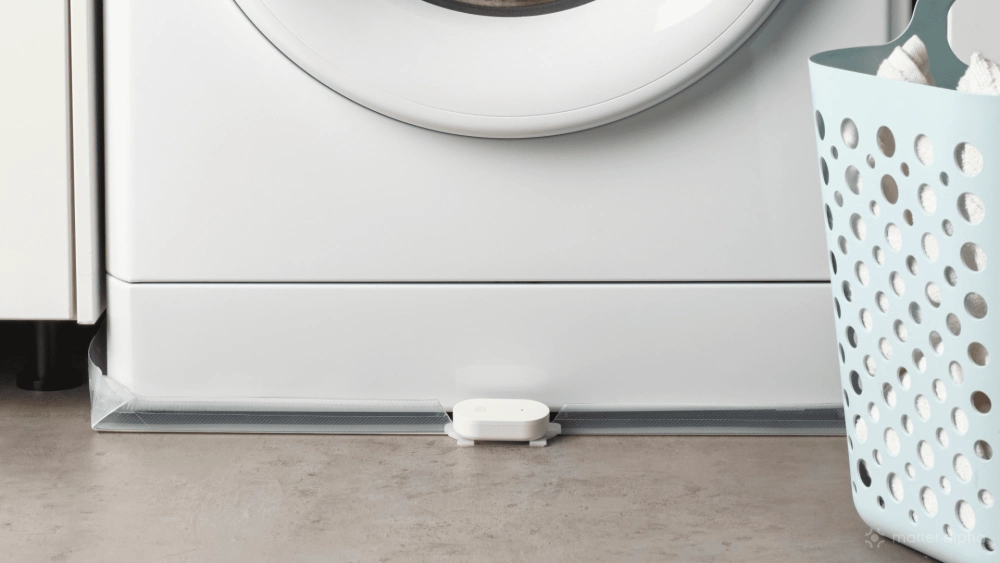
The vital part of this, of course, is that it also has Thread, and can be integrated into my smart home. So, I get a basic alert via the IKEA Home smart app, but this can be enhanced with an integration – perhaps shutting off a Matter-compatible water valve, or setting an RGB lamp to flash red.
Water leak sensors have improved considerably in recent years, thanks in no small part to Thread.
Threading tech around the smart home
With Thread increasingly present across smart devices like hubs and laptops and smartphones, the growth of the low bandwidth mesh networking standard is improving the possibilities for smart homes.
Many devices that you’re familiar with already have Thread radio – Amazon, Apple, Google, Samsung, and IKEA all produce devices with hidden Thread border routers inside.
And remember: while many compact Thread devices are available via Amazon and other online stores, you can view many of them in person with a trip to IKEA.