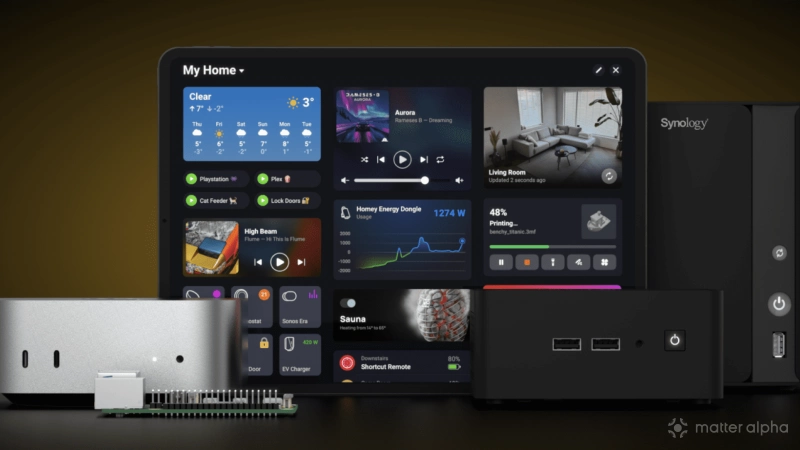
Matter adoption is getting incredibly popular across the smart home industry, but the reality of transitioning is far more complicated than buying a new hub. Not all brands support this new standard natively, and many manufacturers are explicitly leaving their older, out-of-support models behind.
If you have spent years building a robust smart home setup, throwing away perfectly functional sensors and lights is simply not an option. This is exactly where a Matter bridge becomes an essential tool, allowing you to bring your existing, fragmented setup into the unified Matter ecosystem easily.
Thanks to the underlying architecture of Matter, the protocol operates at the application layer over standard IP networks. This means you do not really need highly specific, proprietary vendor hardware to run a bridge. A generic computing platform handles the workload perfectly.
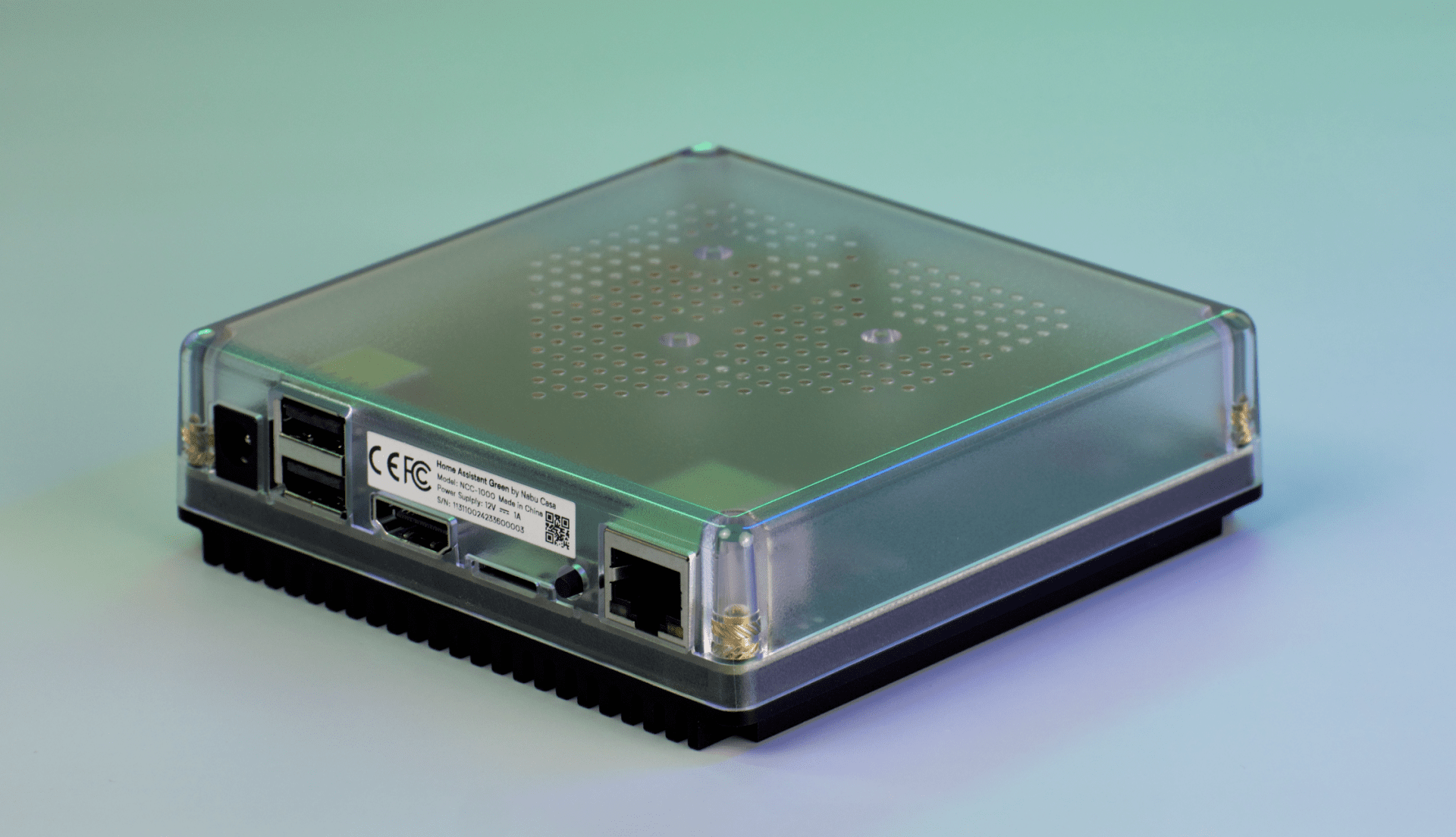
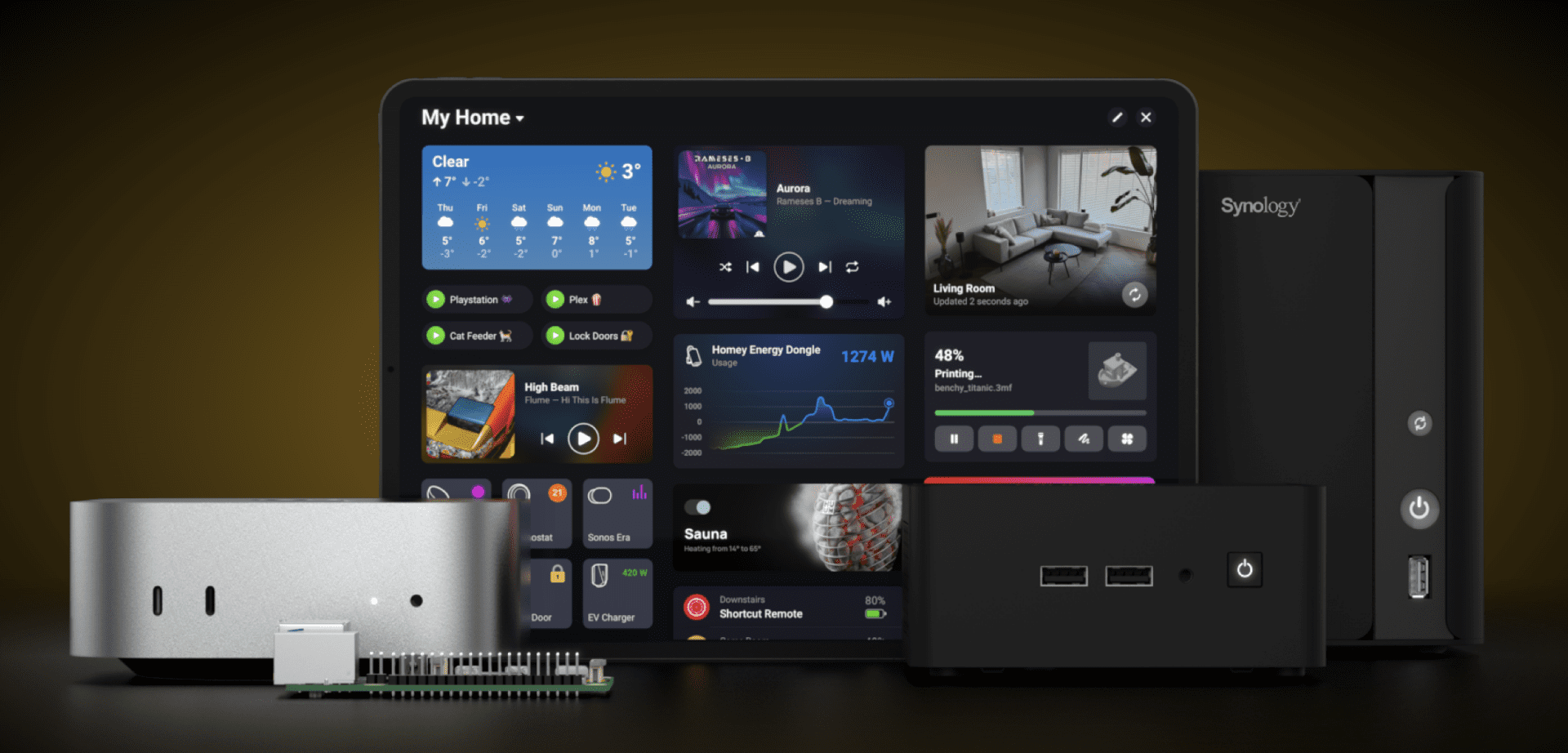
Whether you are using a basic Raspberry Pi, repurposing an old PC, or spinning up a dedicated container within a Proxmox VE homelab environment, you have the flexibility to run these bridges locally to ensure maximum privacy and system reliability.
Much of this flexibility is owed to the Matter.JS project. Sheltered under the Open Home Foundation, the same organization that houses Home Assistant, this JavaScript implementation serves as the backbone for many modern bridging projects. We are now seeing a brilliant ecosystem of Matter Bridge projects available to use. After testing several of the notable options, here is a breakdown of the top picks and how they perform, and why you might prefer them over Homebridge.
Matterbridge by Luligu and Tamer
If you are looking for a community-driven powerhouse, Matterbridge by Luligu and Tamer is one of the most prominent options available today. As one of the first major projects to embrace the bridging concept utilizing Matter.js, it boasts a fast update cycle and strong community support. The developers regularly implement new cluster types and resolve bugs, making it a reliable choice for users who want the latest features.
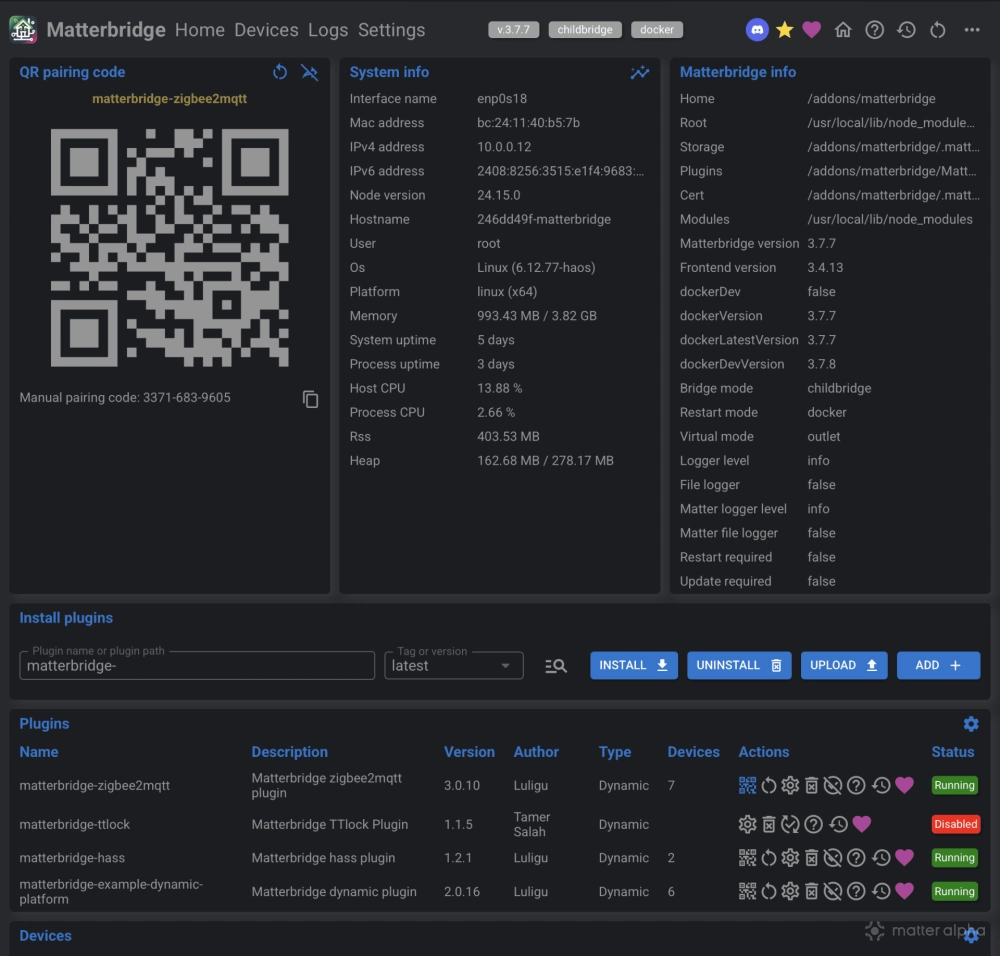
The platform is open-source and free to use, offering powerful configuration options and flexible deployment methods. Installation is simple, especially if you are comfortable with Docker containers or simply a Home Assistant App (previously named Add-on). Furthermore, it currently offers some of the best and widest support for various Matter device types, translating complex legacy devices into standard Matter endpoints smoothly.
However, the raw power comes with a slight learning curve. The software utilizes an advanced user interface layout that is less friendly to average users. Navigating the plugin configurations and mapping specific device endpoints requires a bit of technical patience. For those who enjoy tinkering with their network, the granular control is a solid trade-off.
Home-Assistant-Matter-Hub
For Home Assistant users, the Home-Assistant-Matter-Hub is an excellent add-on. This project utilizes your existing Home Assistant setup, turning the platform into a powerful Matter bridge. The installation process is straightforward, as it integrates directly through Home Assistant, allowing you to manage the bridge alongside your other local integrations.
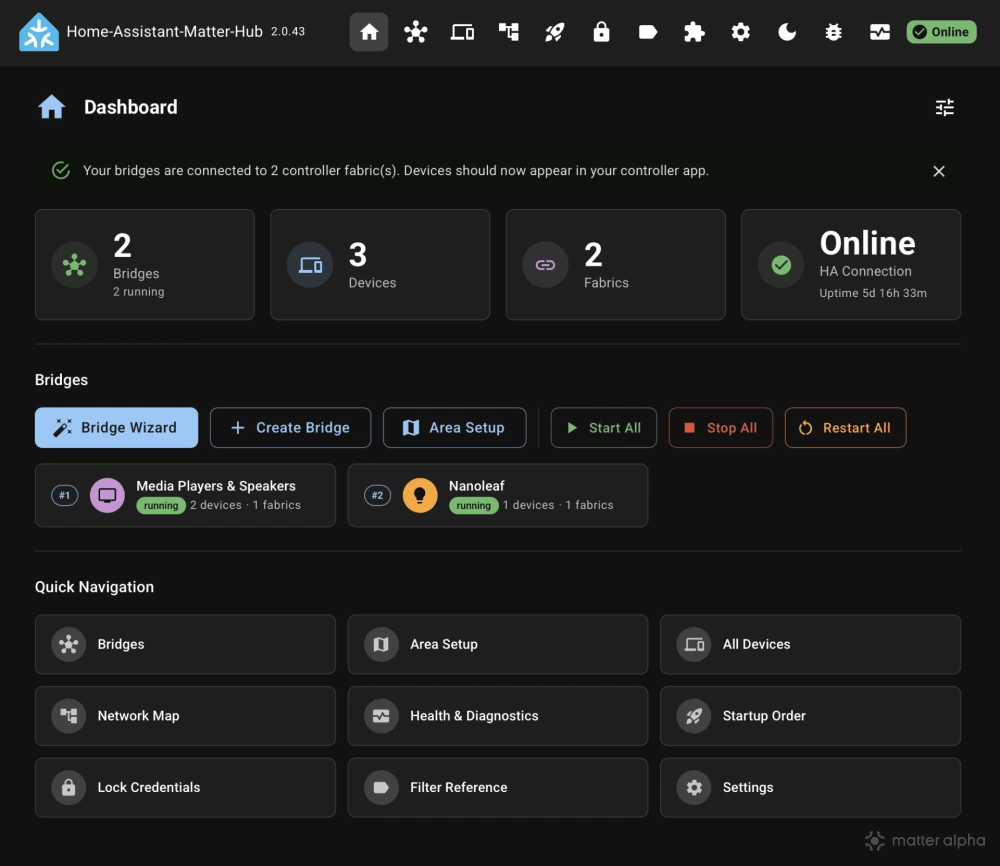
The user interface and user experience are clean, offering useful presets and a streamlined configuration flow. For instance, with just a few clicks, you can expose all of your existing ZHA lights directly to the Matter ecosystem without mapping them individually.
A major benefit is its wide support for advanced Matter device types, including the support for controlling Matter Speakers. If you prefer keeping your smart home operations entirely local and already utilize Home Assistant as your primary logic engine, this open-source project is the way to go.
eWeLink CubeOS
Moving toward more commercially backed options, eWeLink CubeOS offers a different approach to bridging. This platform features a clean user interface and a solid overall user experience, making the initial setup approachable for mainstream consumers. Installation is straightforward, and the system is powerful if you are heavily invested in the generic Zigbee and eWeLink or SONOFF ecosystems. It translates these specific devices into the Matter standard well.
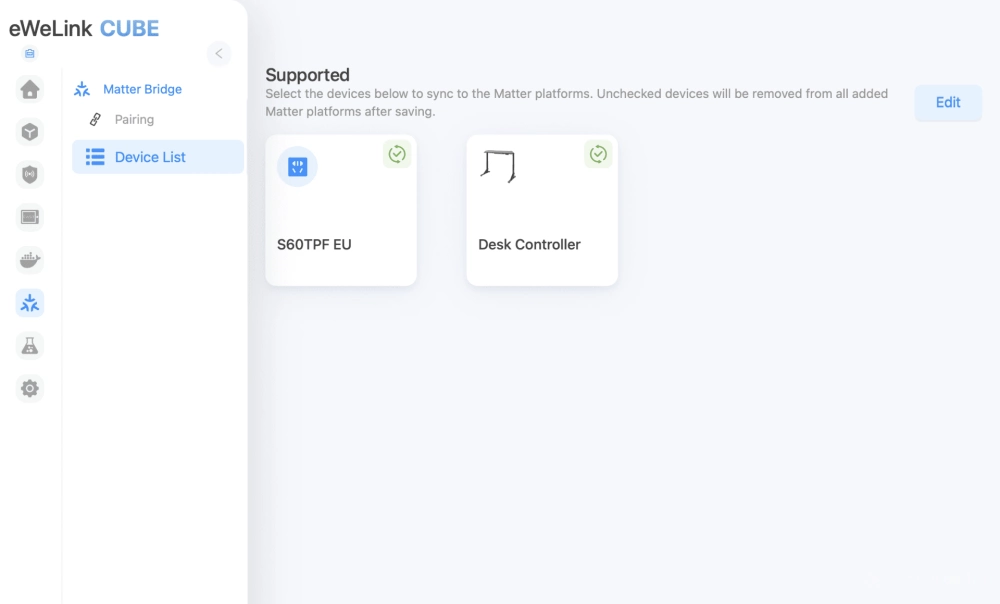
Additionally, CubeOS provides a built-in remote access feature directly from eWeLink, which is a nice bonus if you do not want to configure your own remote VPN or FRP server.
The main drawbacks lie in its proprietary nature. It is a closed-source, commercial option, which means you are entirely reliant on the vendor for updates. Also, the update cycle is noticeably slower compared to the open-source alternatives. It also features more limited support for diverse Matter device types and features, focusing on popular device types.
Homey Self-Hosted Server
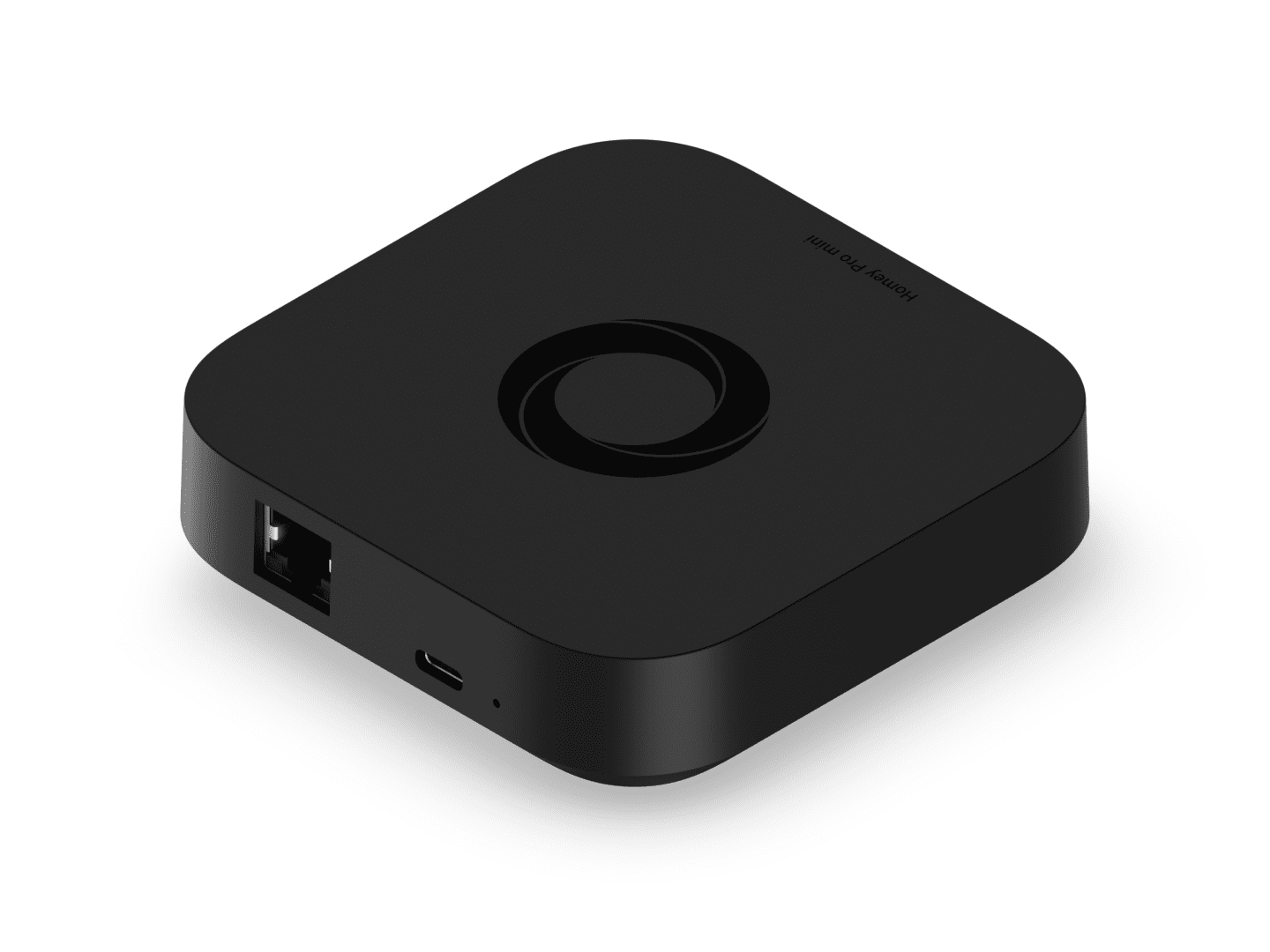
The Homey Self-Hosted Server is another premium, commercial option that brings a polished experience to the Matter ecosystem. Homey is known for having top-tier UI and UX design, and its self-hosted server maintains that standard. It offers a strong integration ecosystem, pulling in thousands of legacy devices and pushing them out through a wide support of Matter device types.
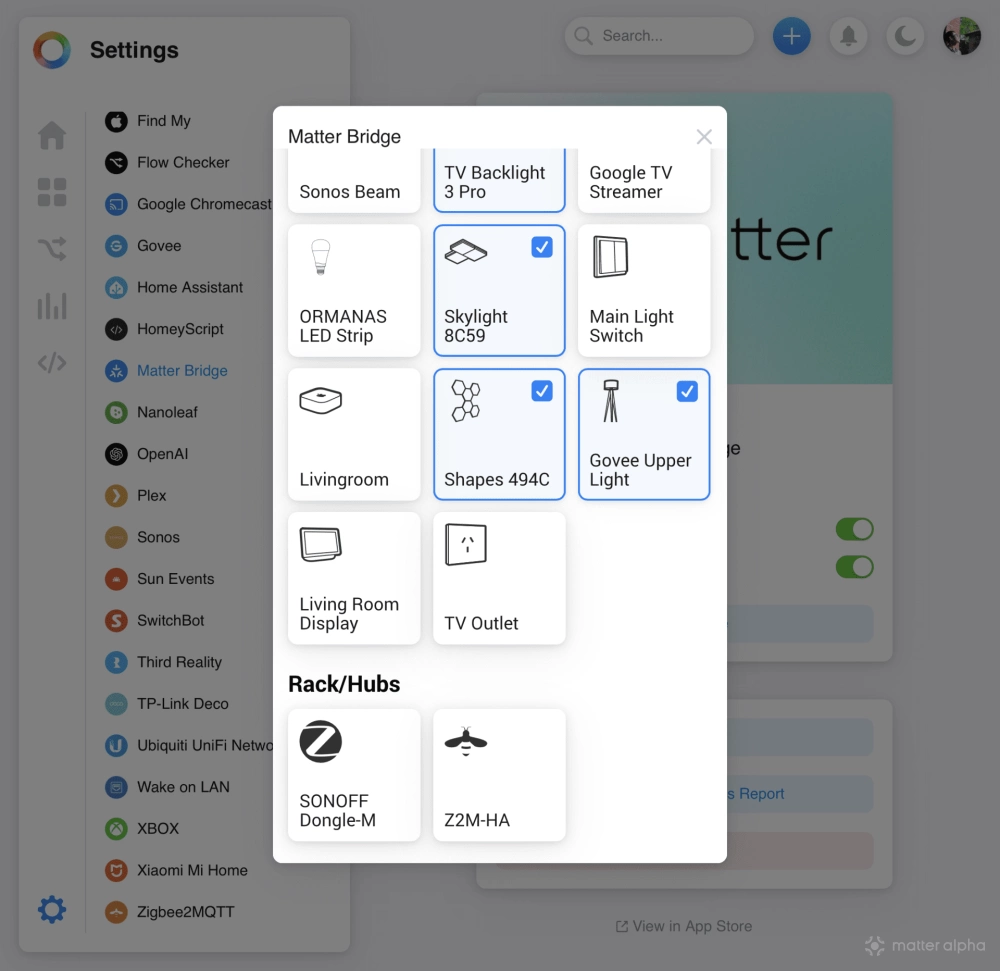
The installation process is polished and straightforward. However, this premium experience comes at a literal cost, as a license fee is required to unlock its full potential. While the interface is clean, the closed-source backend can be buggy sometimes, and the development team maintains a moderate update cycle that lags behind community-driven projects. If you are willing to pay for a refined interface and commercial support, it remains a strong option.
Homey Self-Hosted Server is priced at $4.99 monthly or $149 for a lifetime license.
The alternative bridges that Matter
Beyond those main recommendations, there are a few more projects worth mentioning, though they come with some caveats or are still in development.
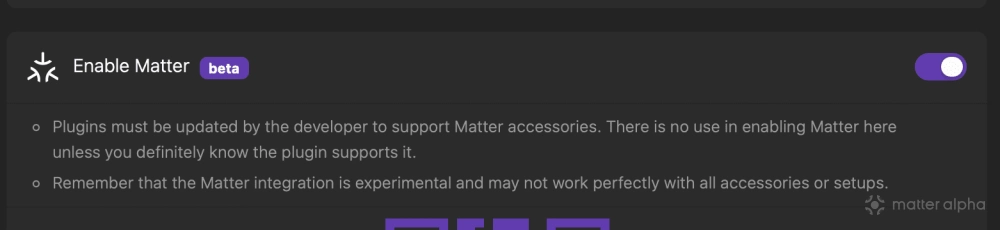
Homebridge has a mature ecosystem and just introduced Matter support in beta. This is a crucial shift, especially since Apple now tends to add new device types, like robot vacuum cleaners, through Matter rather than legacy HomeKit integrations.
However, as a quick clarification regarding the recent version: the plugins you use still need updates from their developers to work properly with Matter. I tried the Govee and Xiaomi integrations, and they still won’t expose any accessories through Matter yet. So it may take some time before the project is a better fit for Matter Bridge purposes.
OpenHAB is a more professional project that can act as a Matter bridge. But it requires a steep learning curve and a less friendly interface for average users. The Matter support here is moderate.
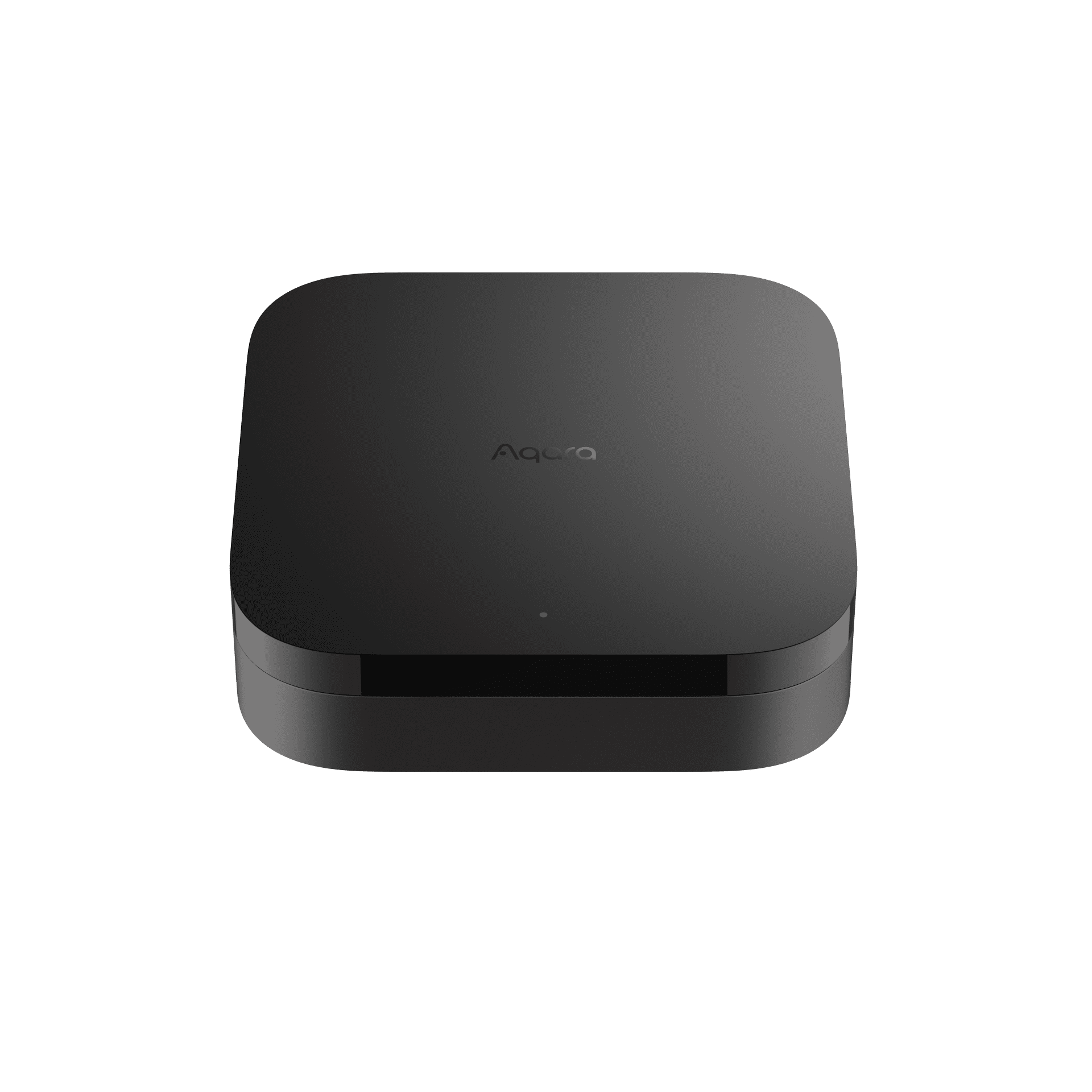
Another option I would expect is Aqara Studio, a Homey-like platform that aims to bring professional installation (e.g. KNX, PLC, and DALI) up with commercial protocols and ecosystems. Aqara has yet to open this up, but it could be a good option to look into later.
(Image: Matter Alpha/Ward Zhou)