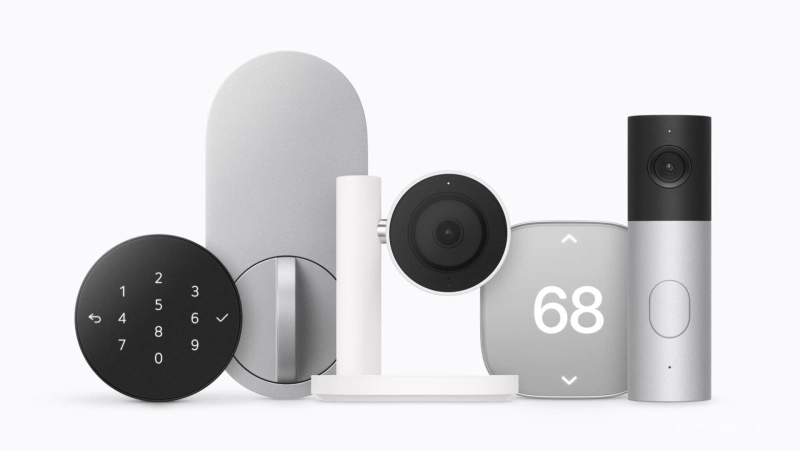
Apple just announced its biggest hardware expansion for Apple Home in years, headlined by the new HomeView smart display, an updated Apple TV 4K, and a second-generation HomePod mini built around Apple Intelligence. Alongside its own hubs, the company also introduced the Apple Home Collection, a partner accessory lineup co-designed with LG Electronics and Schneider Electric.
While the spotlight remained on the new screens and processors, the fine print across the new accessory product pages points to several deeper changes under the hood. Beyond the headline hardware announcements, five platform-level features appear ready to reshape how Apple Home handles Matter, Thread, and device management.
NFC onboarding for faster setup
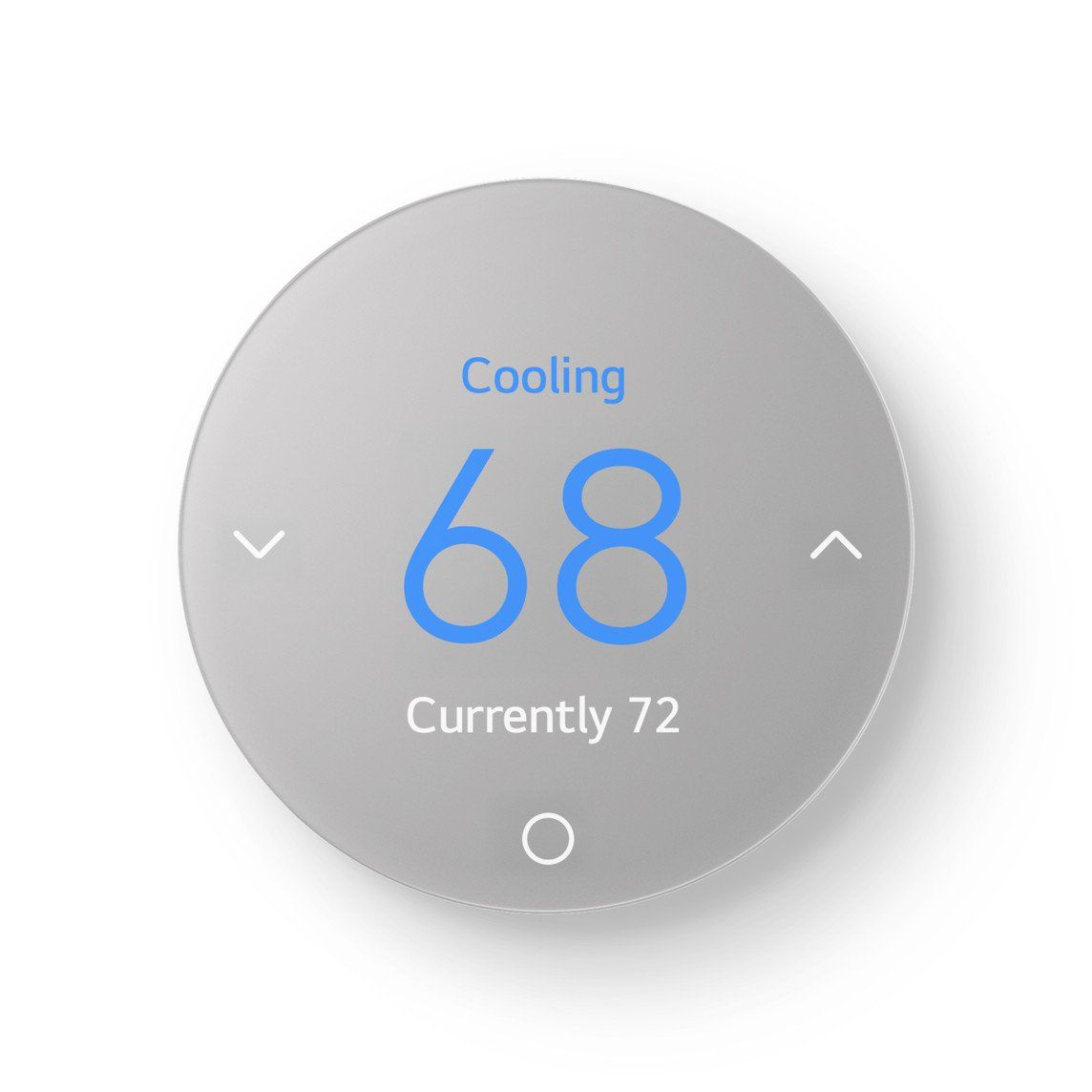
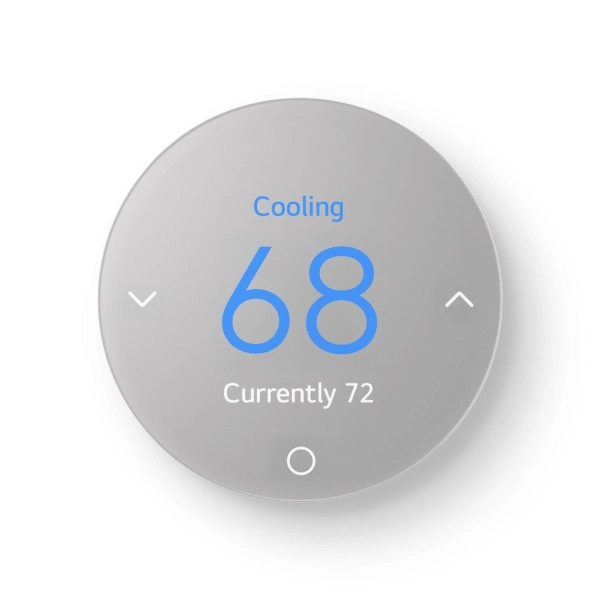
The setup flow described for the new LG Smart Thermostat and LG Smart Deadbolt Lock suggests that tap-to-pair NFC commissioning is coming to the Apple Home onboarding experience. Instead of hunting for a printed sticker on the back of a mounted unit or typing a long manual code, users can tap their iPhone against the accessory to start the pairing process.
NFC commissioning has become one of the most practical quality-of-life additions in the recent Matter 1.6 spec. Because passive NFC tags do not draw power from the host device, users can pass network credentials and pairing data to an accessory before it is even wired into a wall or powered on. It also removes the common friction of scanning QR codes in tight, dimly lit utility closets or behind furniture.
LG Smart Thermostat
However, it remains unclear whether Apple is implementing the official Connectivity Standards Alliance (CSA) Matter 1.6 NFC commissioning standard or leaning on its own framework. In the earlier days of HomeKit, device makers like Nanoleaf and Belkin Wemo offered similar tap-to-pair NFC onboarding methodslong before Matter existed. Whether Apple’s new implementation opens standard Matter NFC commissioning to all third-party manufacturers or keeps the streamlined flow exclusive to Apple Home Collection hardware will be a key detail to watch when the devices ship in December.
Native Matter Binding support
Another notable feature surfaced in the Apple Store product description for the new LG Temperature Sensor. Apple notes that users can pair the standalone sensor with the LG Smart Thermostat or other Matter-compatible thermostats through the Home app to balance room comfort. This cross-brand compatibility is a strong indicator that Apple Home may be finally utilizing Matter Binding.
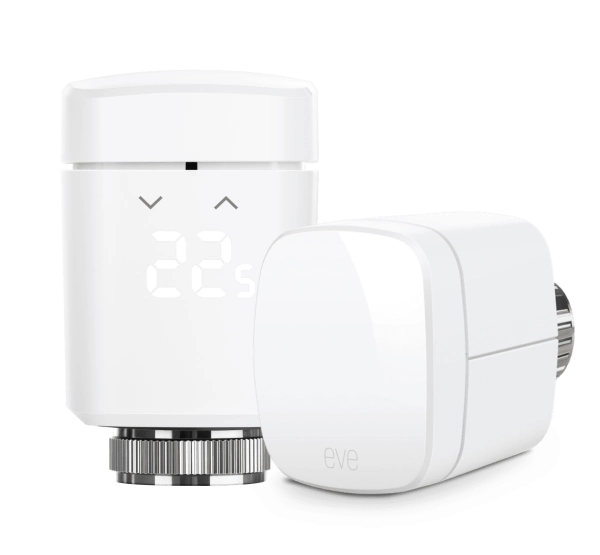
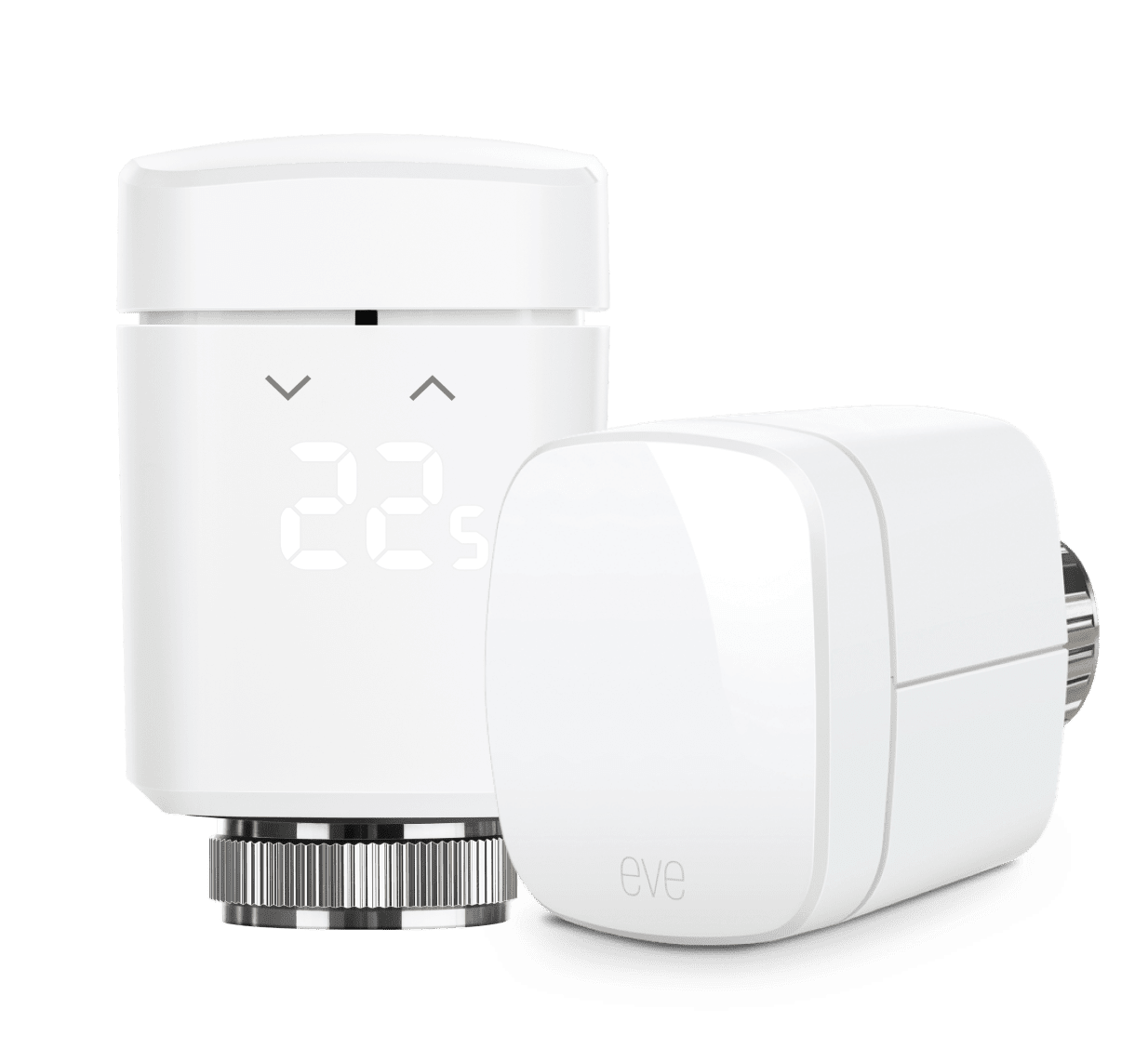
Eve Thermo Control
The Eve Thermo Control (20ECK9901) is a temperature sensor that enables precise automated heating adjustments and supports direct communication with Matter-compatible systems and voice assistants.
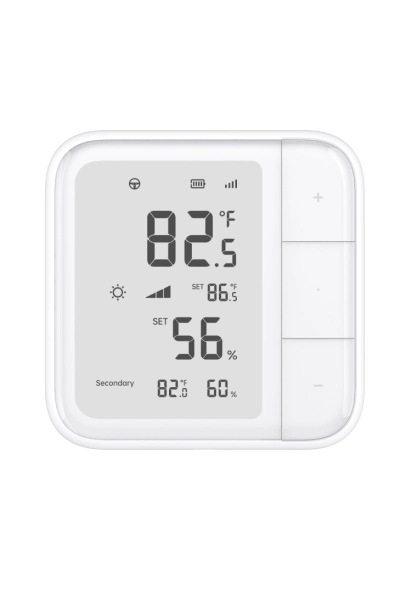
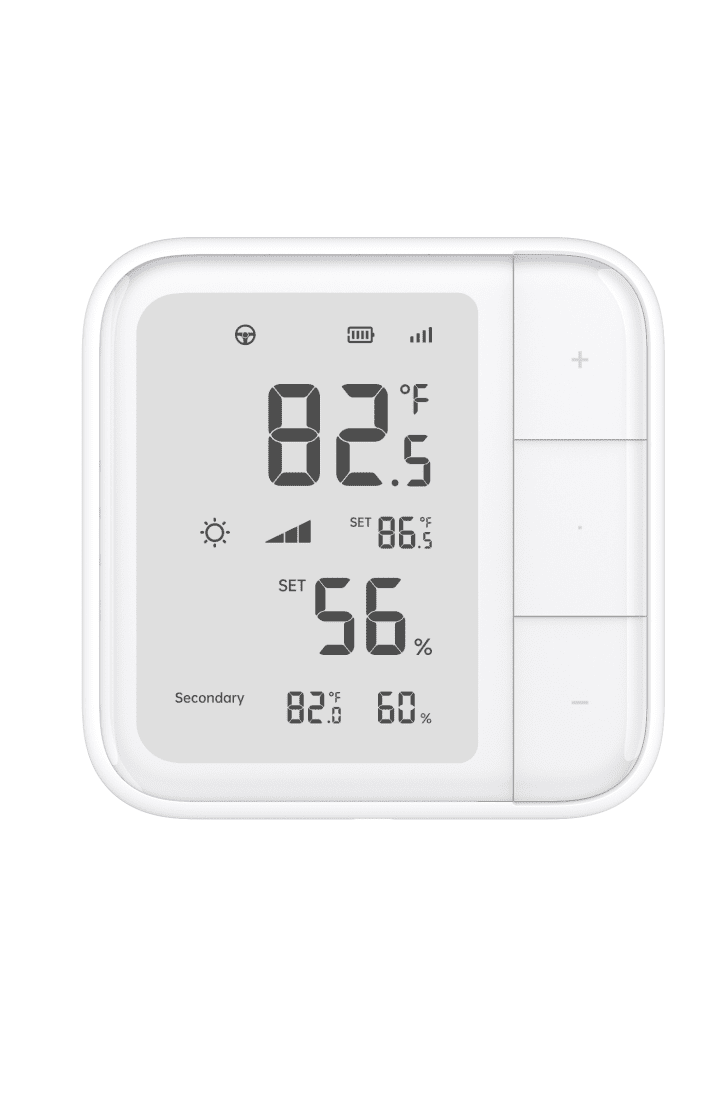
Aqara Climate Sensor W100
Aqara’s W100 is a dual-protocol indoor climate sensor with a display and smart control buttons for seamless home automation.

LG Temperature Sensor
A compact, battery-powered Matter temperature and humidity sensor that helps compatible smart thermostats maintain more consistent comfort across different rooms.
Matter Binding allows one device, such as a sensor or a wall switch, to communicate its state and commands directly to another target device without routing logic through a central smart home hub. Even if the primary hub goes offline or is rebooted, bound devices continue to talk to each other locally over the network.
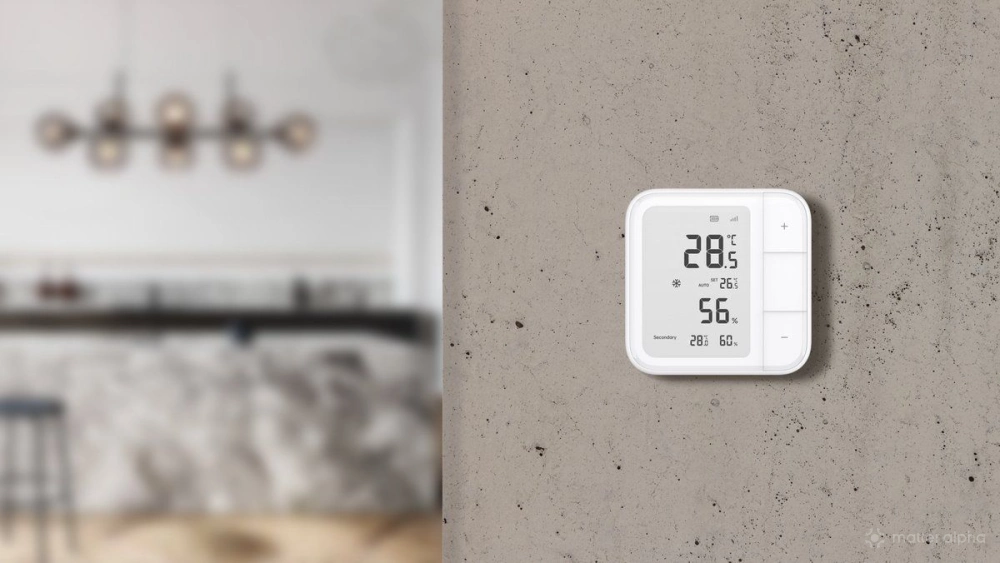
Up to this point, brands like Eve, Aqara, and Inovelli have offered Matter Binding capabilities inside their own companion apps to simplify multi-device setups and improve execution speed.
On the open-source side, Home Assistant also offers a raw configuration interface to bind supported endpoints together. Because mainstream ecosystems like Apple Home, Google Home, and Amazon Alexa previously lacked a native user interface for creating bindings, adoption remained limited. Apple exposing this capability in the Home app, even if initially scoped to climate devices, would be a major push for wider industry adoption.
Thread in second-party hardware
For years, Apple has built out Thread network coverage through its in-house home hubs, packing Thread Border Routers into Apple TV 4K, HomePod, HomePod mini, and the new HomeView. With the Apple Home Collection, Apple worked directly with LG and Schneider Electric to mandate Thread support across the entire partner lineup, spanning all four cameras, the video doorbell, the deadbolt lock, and the thermostats.
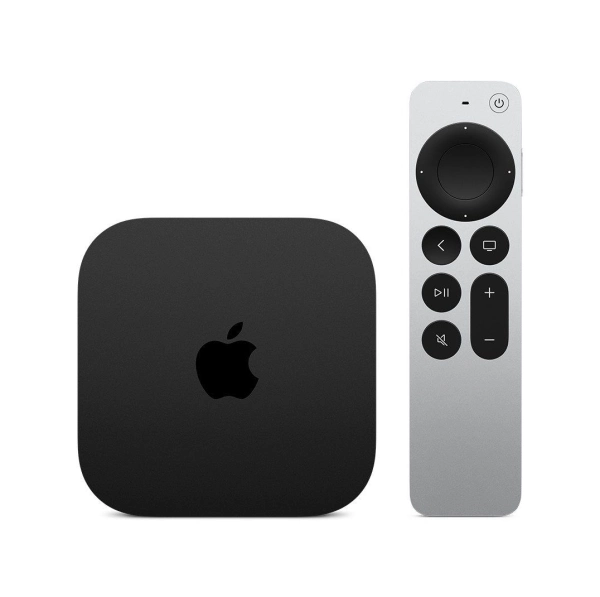
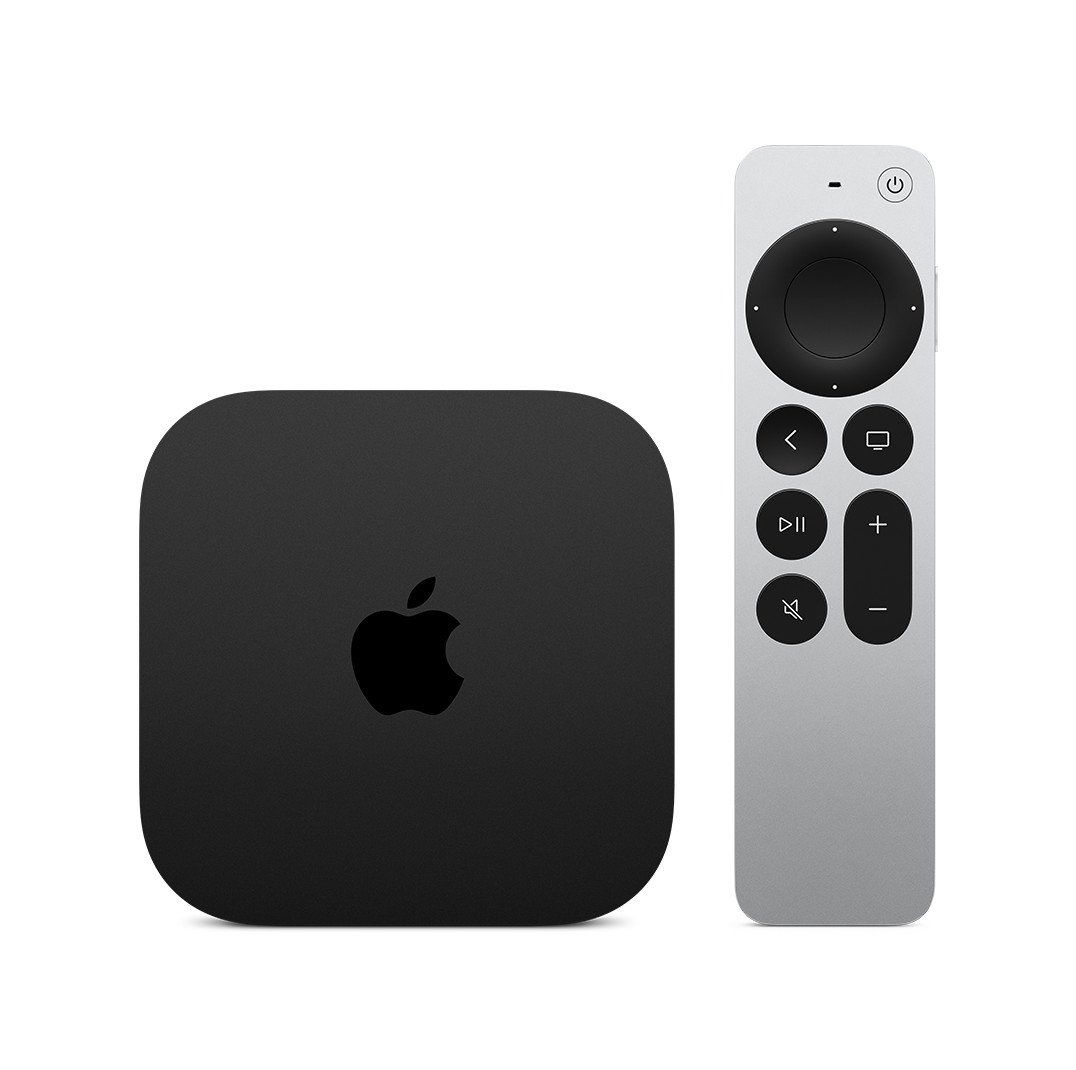
Apple TV 4K (4th Generation)
A 4K streaming and smart home hub with A19 performance, conversational Siri AI, hands-free controls, and four-speaker HomePod surround sound.
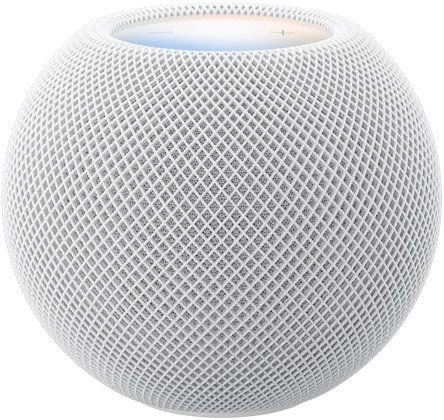
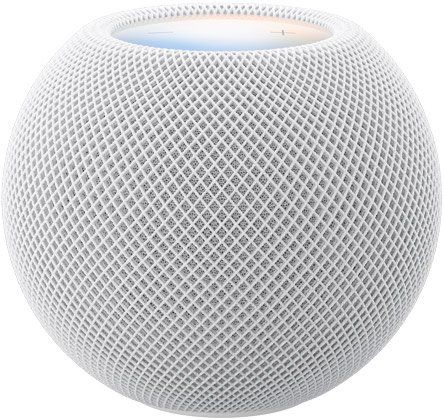
Apple HomePod mini 2
A compact 360-degree smart speaker with S10 computational audio, music-reactive lighting, smart home controls, and upcoming Siri AI capabilities.
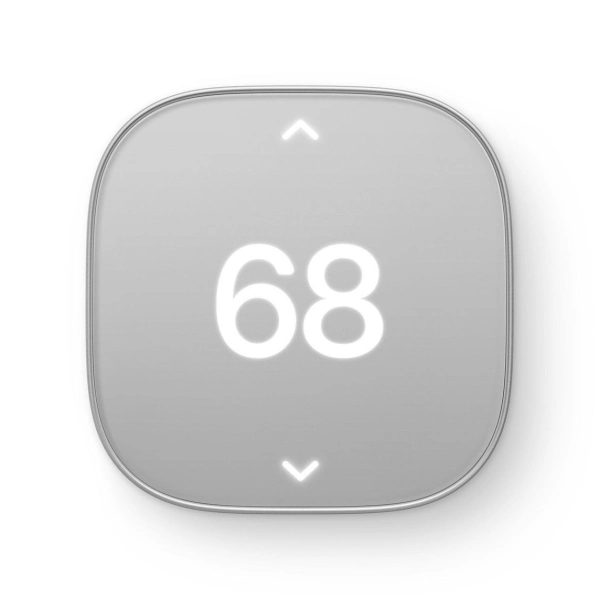
Schneider Home Smart Thermostat
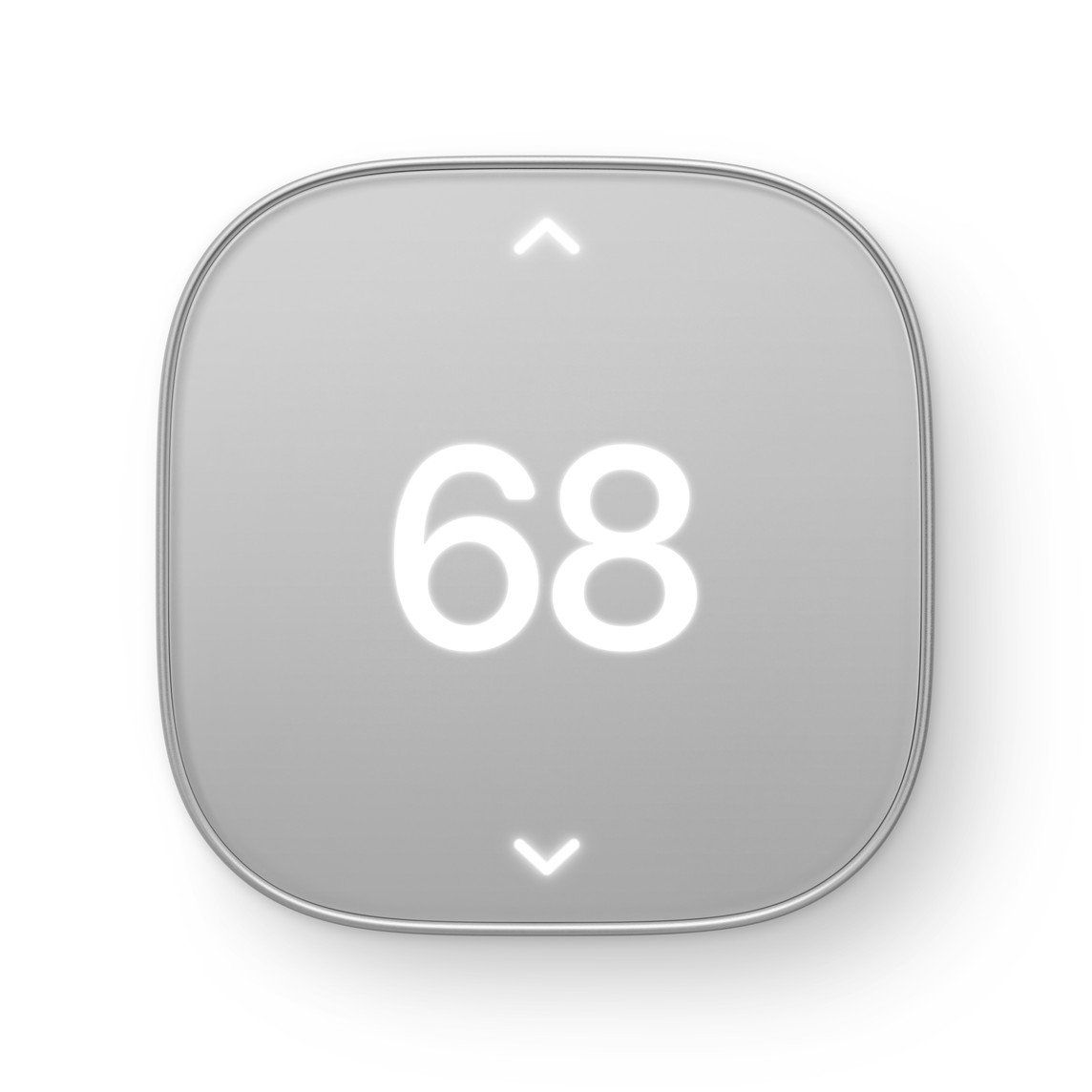
A compact Matter-over-Thread smart thermostat with Apple Adaptive Temperature, energy guidance, presence-sensitive controls, and optional multiroom climate monitoring.
Embedding Thread radios into mains-powered second-party devices like plug-in indoor cameras, wired doorbells, and wall thermostats significantly strengthens the local Thread mesh. Because permanent, wall-powered Thread devices typically operate as router nodes, everyday users can expand their home coverage without buying dedicated repeaters or extra hubs. This is especially useful when placing battery-powered Thread temperature sensors in distant bedrooms to feed data back to a hallway thermostat.
Interestingly, Apple also notes that Thread allows these accessories to remain accessible even when a home Wi-Fi connection drops. While high-bandwidth video still relies on Wi-Fi, maintaining a low-power Thread control path for device status and fallback communication appears to be a custom implementation within the Apple Home platform. We have seen similar hybrid behaviors in the past on select accessories from vendors like Eve using custom attributes, and portions of this resilience model could eventually make their way into future Thread spec as a standardized feature.
Automatic Wi-Fi credential sync
Alongside fallback connectivity, Apple highlighted a modern IoT management feature that solves one of the smartest home’s oldest headaches: automatic Wi-Fi credential updates. Whenever a user changes their home Wi-Fi network name or password, Apple Home Collection accessories will automatically update their stored credentials without manual intervention.
For the vast majority of Wi-Fi-based Matter devices on the market today, replacing a router or updating a Wi-Fi password still means climbing ladders, holding down physical reset buttons, and onboarding every single device from scratch.
Previously, Apple offered seamless Wi-Fi credential syncing only for its first-party HomePod speakers, which quietly pull updated network keys from a paired iPhone or iPad tied to the same iCloud account. Expanding automatic credential syncing to partner cameras and thermostats over the local Thread and Bluetooth control channel removes a major maintenance barrier for everyday households.
Native PTZ and camera enhancements
Finally, the new LG Indoor Cam reveals a long-overdue upgrade to Apple’s camera architecture and HomeKit Secure Video. Historically, the Home app had zero native support for motorized pan-and-tilt controls, forcing users who bought movable cameras from brands like Aqara or Tapo to jump back into the manufacturer’s app just to adjust the viewing angle.
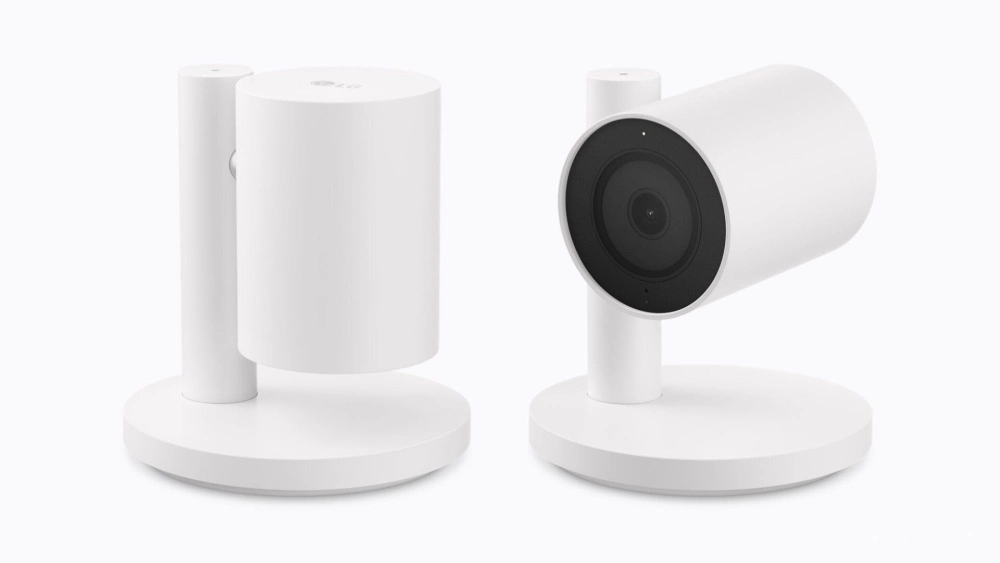
With the LG Indoor Cam, the Apple Home app natively exposes tilt controls and ties them directly into HomeKit scenes and presence automations. Users can adjust the camera angle upward or downward while checking a live feed, and the camera automatically tilts its lens down into its housing to stop monitoring the moment the first household member returns home. Bringing physical privacy shutters and motorized movement into native Apple Home automations eliminates one of the biggest functional gaps between HomeKit Secure Video and third-party camera platforms.
These features mark a new trend in Apple's ecosystem, with the company building exclusive capabilities on top of Matter and its existing functionality. Hopefully, Apple will eventually contribute these features back to the standard, making them available to more device makers and across ecosystems in the next year or two.
(Source: Apple; Image: Apple)