Apple has been actively contributing to OpenWrt-related development under Matter’s official open-source project, putting the company surprisingly close to the home router again.
The recent work focuses on Matter’s Home Router and Access Point, or HRAP, implementation for OpenWrt, as Matter moves beyond end devices and deeper into the network infrastructure behind them.
A comeback with Matter
Apple once had an entire ecosystem around home networking.
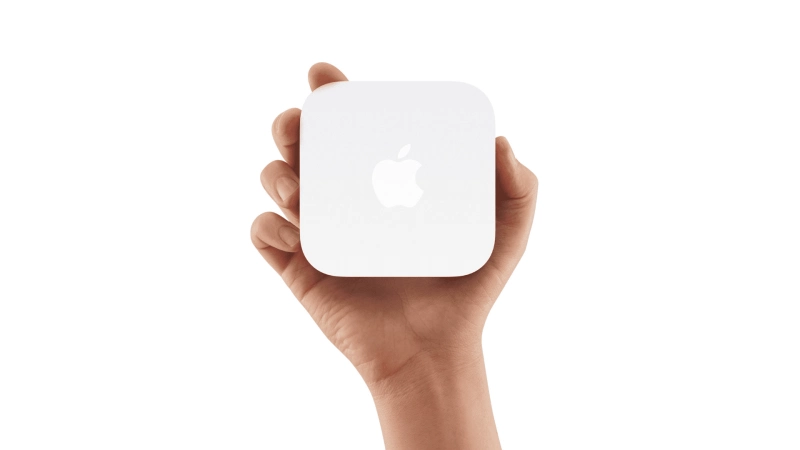
AirPort was Apple’s first-party router family, while Time Capsule combined networking with local storage for Mac backups. The later generations also followed a very Apple approach to networking hardware, hiding antennas and much of the technical complexity inside simple designs made to sit in the home.
Apple eventually discontinued the AirPort line and exited the router business. Some members of its networking team later went elsewhere, including Ubiquiti founder Robert Pera, who had formerly worked at Apple and recently released a new OTBR under the Unifi product line.
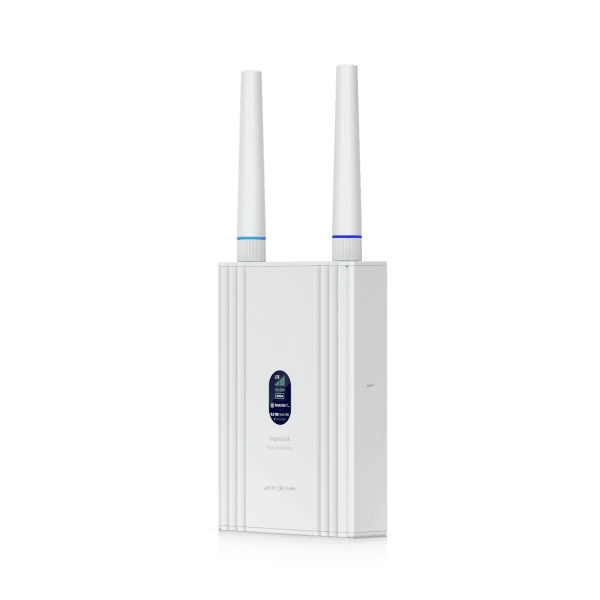
UniFi SuperLink Gateway HA
But OpenWrt makes the latest activity more interesting than Apple contributing to another small open-source project.
OpenWrt sits at the foundation of many modern routers and commercial networking products. Manufacturers can build their own interfaces, management systems, networking features, and hardware support on top of it rather than developing the complete router software stack themselves.
Apple’s recent activity is mainly under “project-chip/connectedhomeip,” Matter’s official open-source repository. The work involves implementations around HRAP and network management on OpenWrt. Matter itself is developed openly through this repository under the Connectivity Standards Alliance (CSA).
That makes the work useful beyond Apple. An OpenWrt implementation can provide a reference for router makers looking to integrate Matter more directly into their networking products.
Full-stack optimization
The router is also one of the places where Apple could potentially improve the Matter experience.
Many Matter connectivity and stability problems can come from the network underneath it. IPv6 configuration, multicast handling, Wi-Fi behavior, and the interaction between Thread Border Routers can all affect whether devices commission successfully and remain reachable.
Today, Apple controls the iPhone used for onboarding, Apple Home, and home hubs such as HomePod and Apple TV, but usually not the Wi-Fi network connecting everything together.
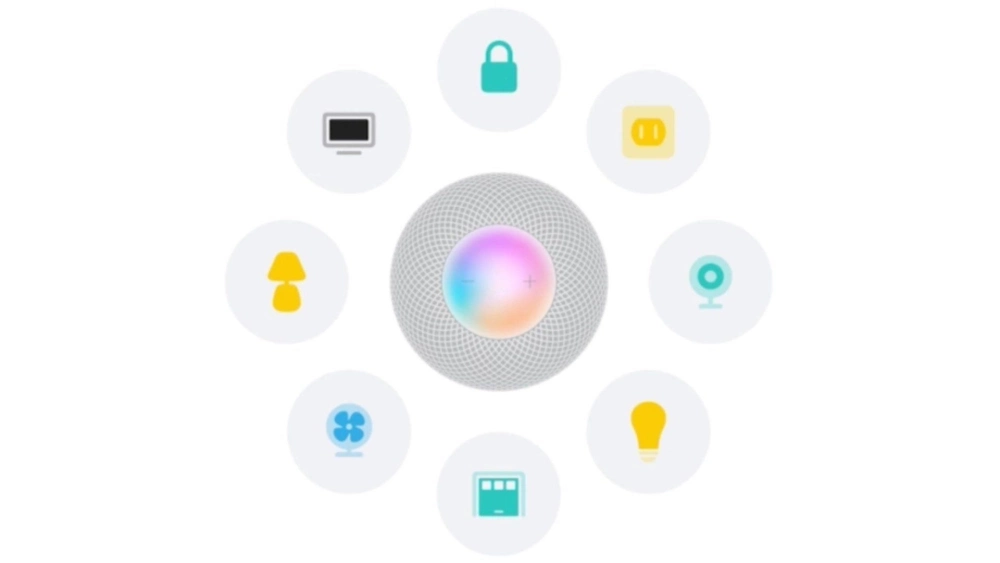
A first-party router would close that gap.
The router already stores the home’s network credentials and controls the network a new Matter device needs to join. Deeper integration could therefore streamline onboarding and potentially reduce the dependence on the phone acting as the middleman between a new device, the network, and the home hub.
Matter’s existing commissioning process illustrates that separation: a new Wi-Fi device needs the network SSID and password, while Thread devices need credentials for the target Thread network.
Apple would then have control from the network layer through the Matter controller and user interface, allowing it considerably more room to optimize the complete experience.
How open Apple would make that network remains another question. Apple has already moved its products to Thread 1.4, but has not exposed all the new cross-ecosystem Thread credential-sharing experiences to users.
What an Apple HRAP would need
Matter also gives us some baseline expectations if Apple ever decides to turn this work into a certified HRAP product.
The concept combines Wi-Fi access point management with Thread Border Router functionality, bringing infrastructure that previously sat underneath the smart home into the Matter data model.
For Thread, newer certification requirements push new Border Routers toward Thread 1.4. And a Thread Border Router implementation is expected to handle more than 150 Thread devices, which is almost doubled compared to existing Apple hubs.
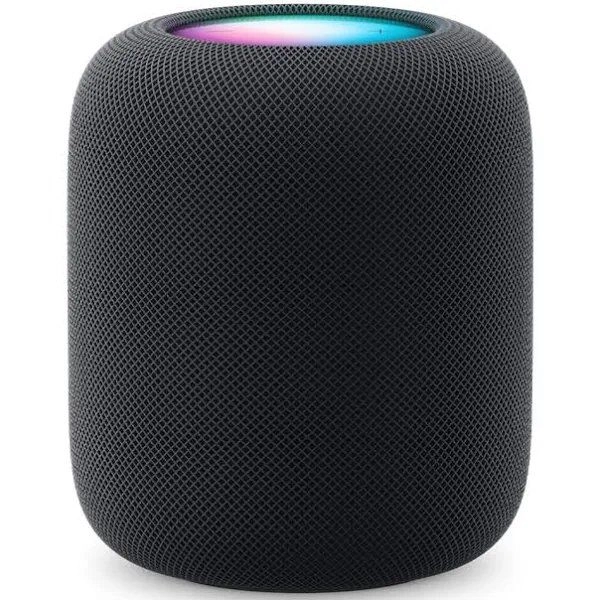
Apple HomePod (2nd Gen)
The HomePod (2nd Gen) is a powerful hub from Apple that delivers immersive, high-fidelity audio and intelligent assistance, while seamlessly integrating with your Apple devices and smart home accessories; it's also a key component for Matter compatibility, ensuring broad connectivity with a range of smart home devices.
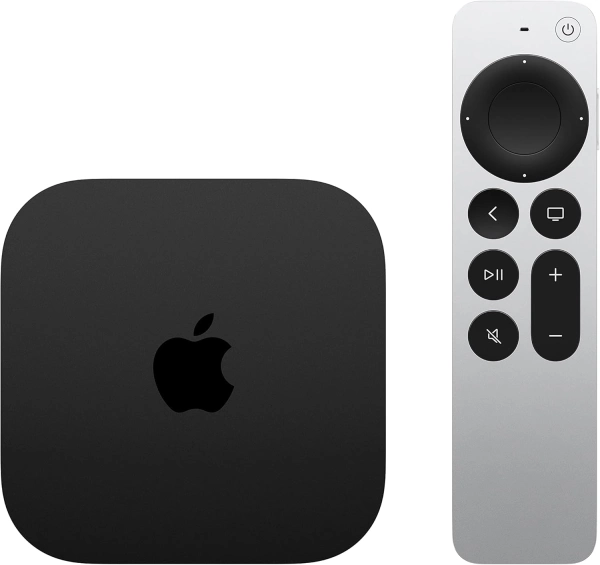
Apple TV 4K (3rd gen, 128 GB)
A powerful 4K media player with expanded storage, advanced video and audio support, and smart home hub functionality.
The Wi-Fi side also has requirements aimed at dense IoT networks, including support for at least 100 connected clients and Target Wake Time, which allows compatible battery-powered Wi-Fi devices to spend more time asleep.
Those requirements make HRAP particularly relevant as homes accumulate lights, sensors, appliances, cameras, locks, and other connected devices across Wi-Fi and Thread.
And unlike simply putting another Thread radio into an Apple TV, an HRAP implementation would give Matter visibility and control much closer to the network itself.
A different kind of Apple router
A future Apple networking product would not necessarily need to recreate AirPort.
Apple’s smart home has changed substantially since the AirPort era. HomePod and Apple TV already serve as Apple Home hubs, while selected models also operate as Thread Border Routers.
Local storage has also become interesting again. Continuous camera recording and increasingly local AI processing create reasons to keep more data inside the home, while reports have pointed to Apple developing its own smart home cameras.
A networking device could therefore potentially combine roles that previously required separate products: Wi-Fi infrastructure, Thread connectivity, Matter HRAP functionality, local processing, and storage.
That remains speculation. Apple has not announced such hardware, and contributing code to Matter does not mean it intends to commercialize every implementation it works on.
But HRAP creates a much stronger reason for a smart home platform company to care about routers than existed a few years ago.
Ongoing pressure from the FCC
There is also a new complication in the US router market.
The FCC updated its Covered List in March to include consumer-grade routers produced in foreign countries, following a national security determination from US government agencies. The change prevents new affected models from receiving the FCC equipment authorization required before they can enter the US market.
Importantly, the restriction is not limited to Chinese brands. The FCC announcement covers consumer-grade routers produced in foreign countries, including standalone TBRs.
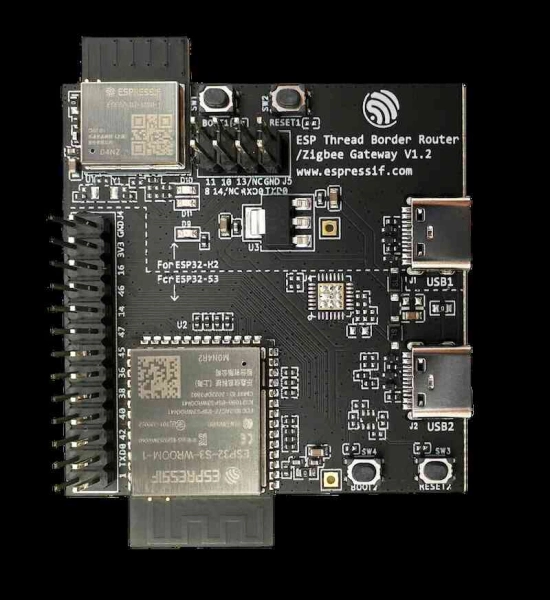
ESP Thread Border Router Development Board
A versatile Thread Border Router and Zigbee Gateway development board with Matter support, expandable features, and robust networking capabilities.

GL-S20
A compact, PoE-enabled Thread Border Router for stable and efficient IoT network deployment.
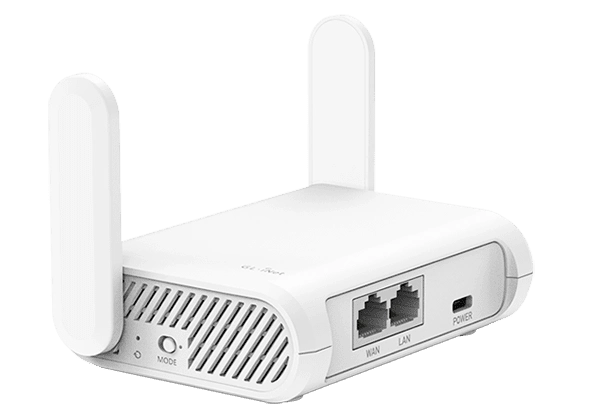
GL-S200
A dual-protocol IoT gateway that bridges Thread and BLE networks to MQTT systems for efficient, low-power device management.
That creates a major challenge for the networking industry because even US brands commonly depend on overseas manufacturing and global supply chains.
While supply-chain control is something Apple has at a scale few networking companies can match. If it wanted to manufacture compliant networking hardware for the US, it has considerably more resources to reorganize production than smaller router makers.
That could become increasingly important if the FCC restrictions reshape which new routers, mesh systems, and potentially Thread Border Routers can reach the US market.
What Apple’s work actually tells us
Apple’s contributions provide clear evidence that the company is actively working on the networking side of Matter. The work goes beyond Apple Home controllers and accessories, reaching into HRAP, Thread Border Router integration, and OpenWrt itself.
What remains unclear is where Apple intends to use that work. It could support future first-party hardware, improve Apple’s existing home infrastructure, or simply contribute technology that other Matter router makers can adopt.
For Apple, it provides another way to improve Matter below the Apple Home layer. For router makers, the same open-source work could make HRAP easier to integrate into their own products.
Whether Apple eventually builds the hardware itself is the interesting unanswered part.
(Source: GitHub, CSA, FCC; Image: Apple)