It has been a year of significant progress for the smart home industry as the Matter standard continues to mature. The release of new versions has filled several gaps in the ecosystem, ranging from smart garden tools to advanced home security. Here are the five most important events and releases that shaped the Matter landscape this year.
Matter 1.5 and the arrival of cameras
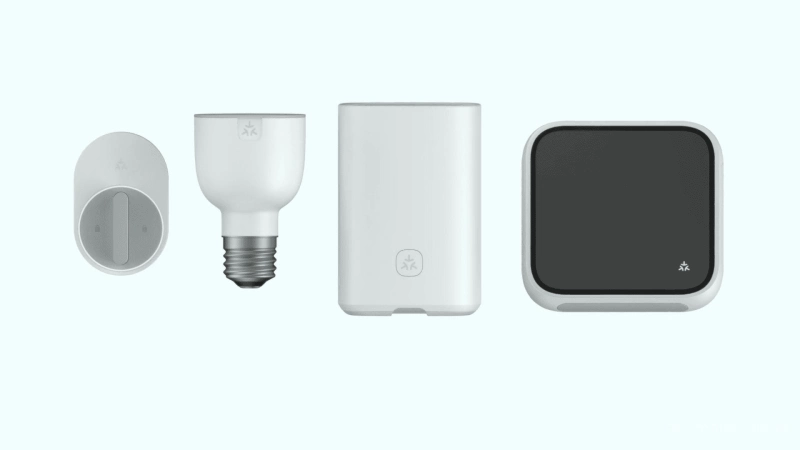
Camera support has been a central topic since the initial launch of Matter. As a core category for home security, cameras have evolved significantly with powerful artificial intelligence for human-readable analysis and indexing. Matter 1.5, released in late 2025, finally brings a comprehensive framework for video devices.
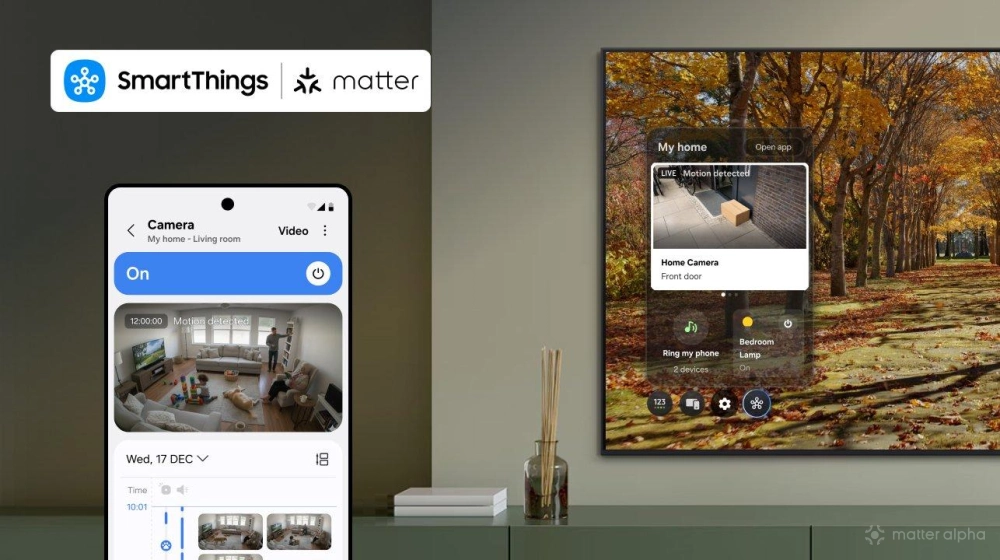
The new specification covers a wide range of devices, including floodlight cameras, video doorbells, chimes, and intercoms. It supports essential features such as live-streaming, recording, two-way audio, and pan-tilt-zoom controls. By using mature technology like WebRTC, Matter ensures that video streams are secure and work across different platforms.
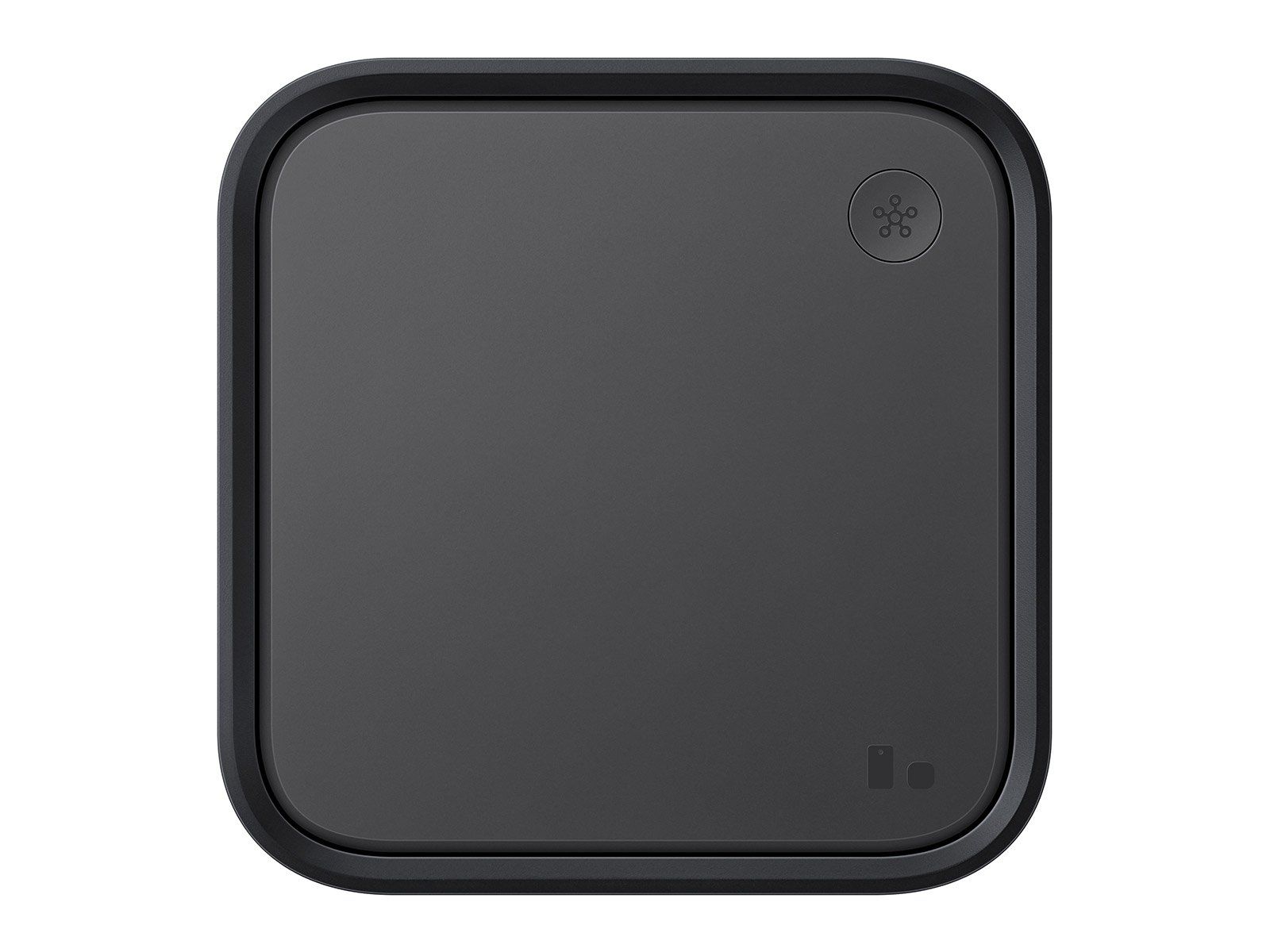
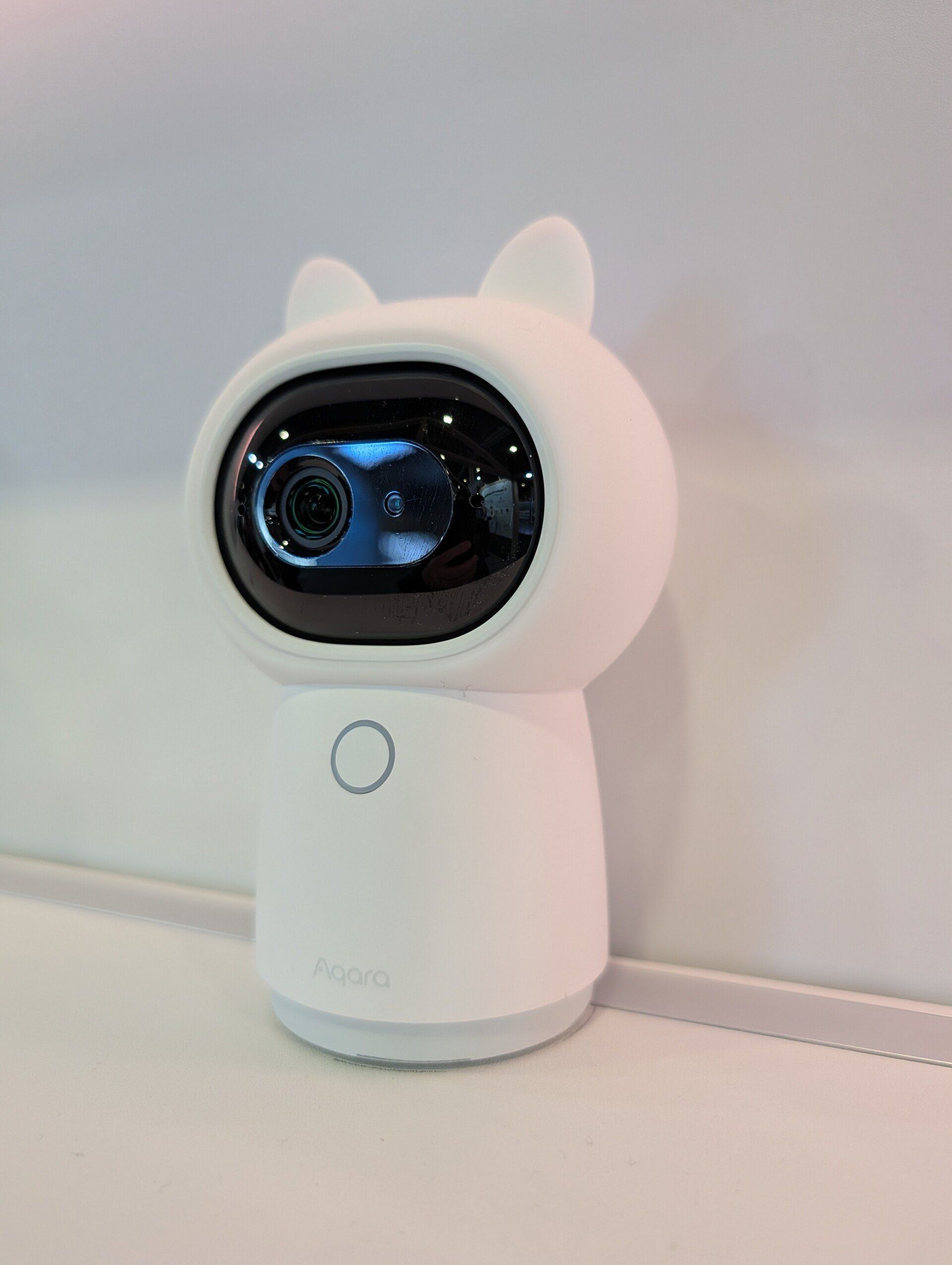
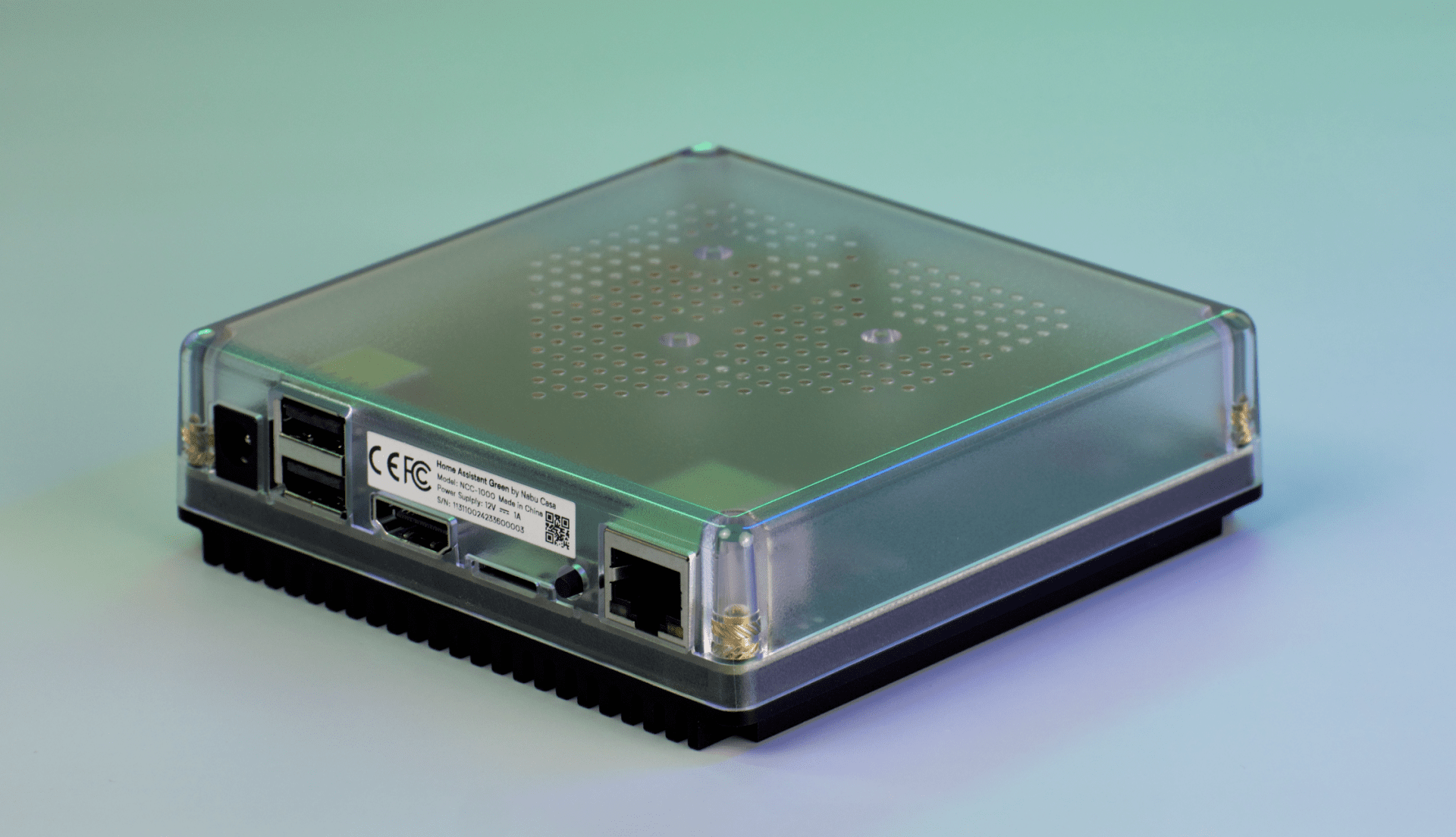
Industry leaders followed the announcement with surprising speed. Samsung SmartThings became the first major platform to officially support this category, with partners like Aqara, Eve, and Xthings planning to release native Matter cameras in early 2026. Home Assistant is also working on integration, while Espressif has added Matter camera code to its open source repositories. This suggests that a wave of community-driven products and official hardware will soon reach the market.
Ikea launches a massive Matter lineup
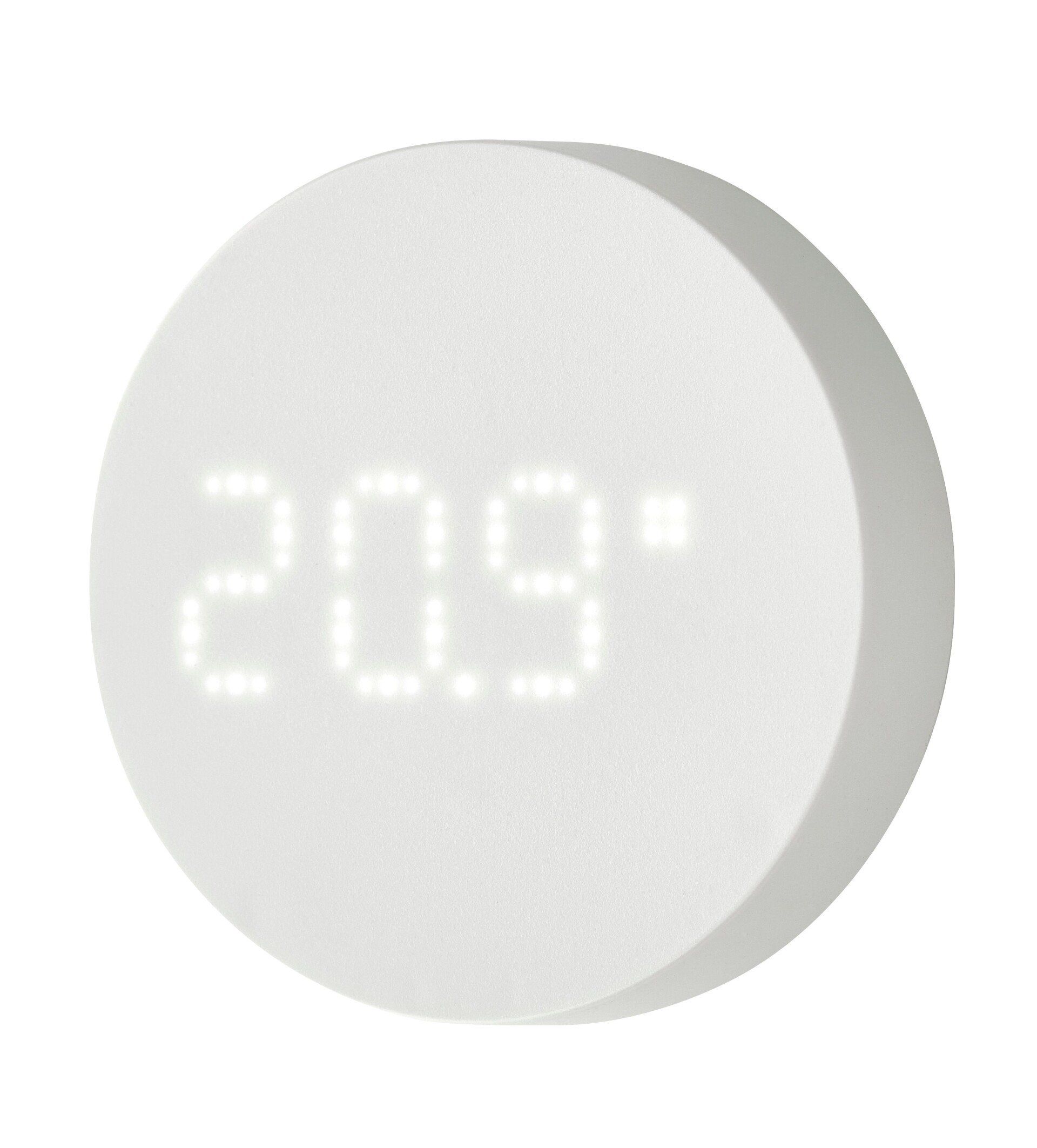
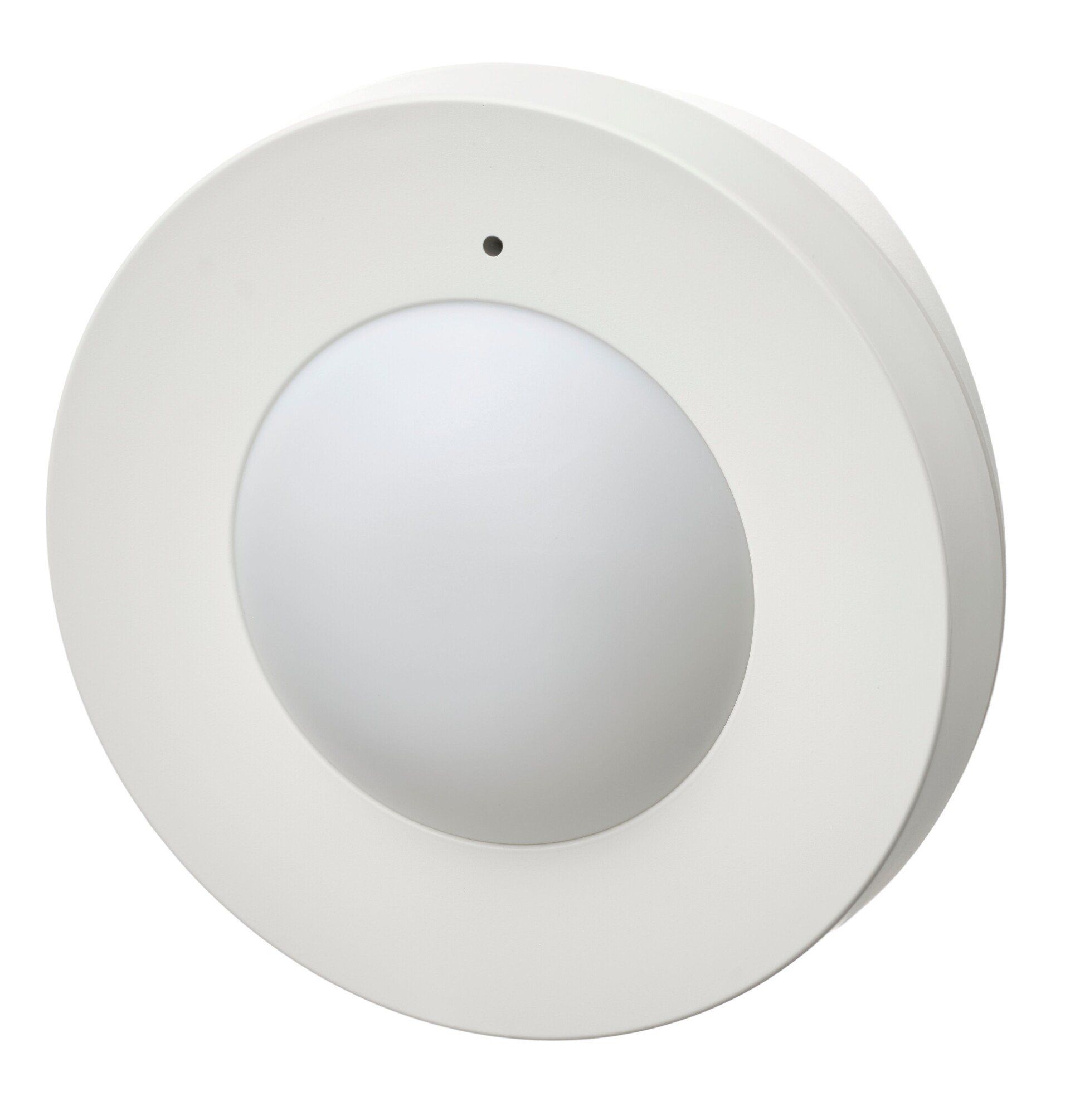
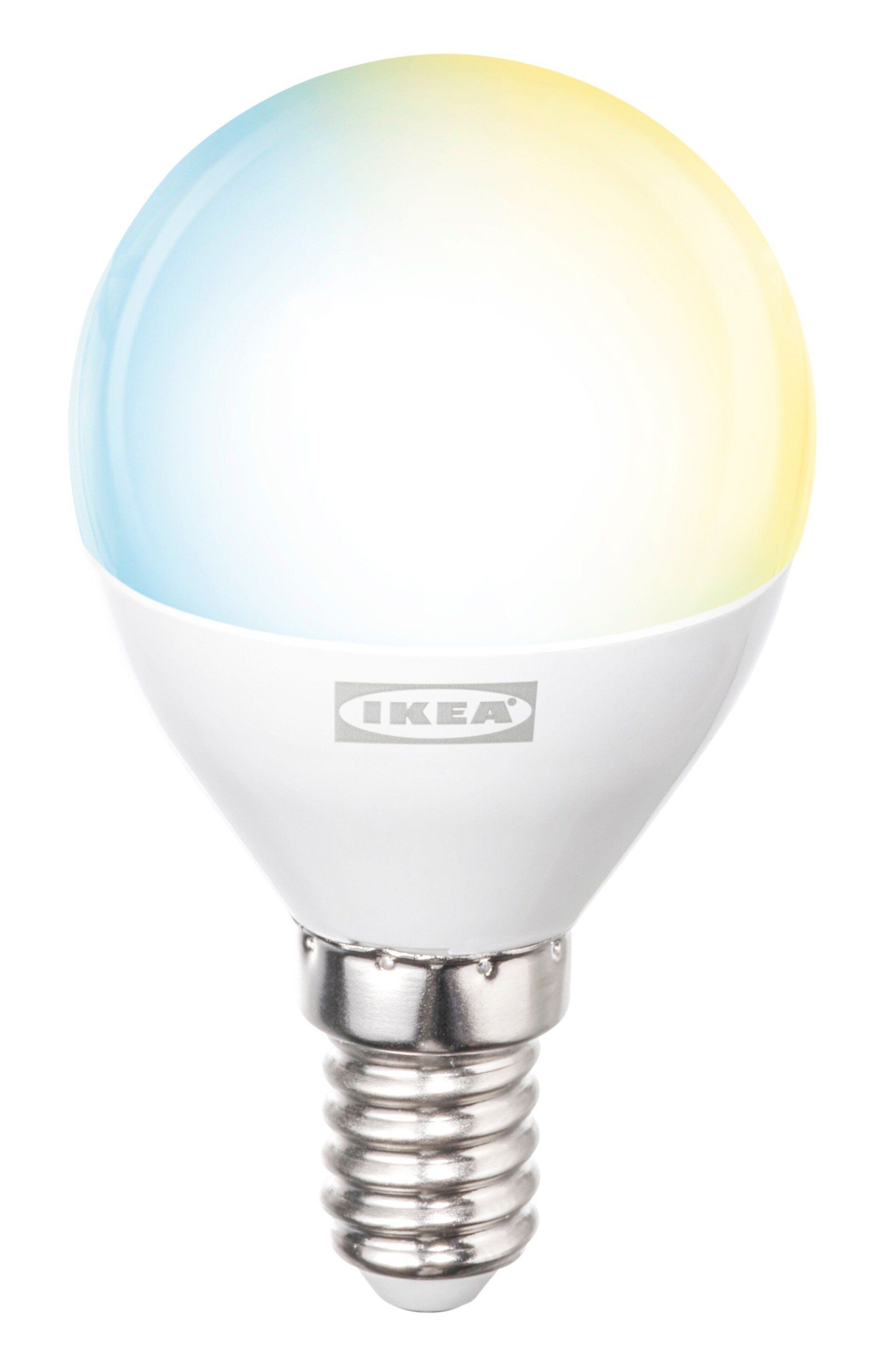
The home furniture giant Ikea took a major step forward this year by releasing a completely new range of smart home products with native Matter support. This move marks the beginning of the end for the previous Zigbee-only devices, as the firm transitions toward a Matter-first future. Most of these new products, including the Kajplats lighting range and various sensors, are now available globally at affordable prices.
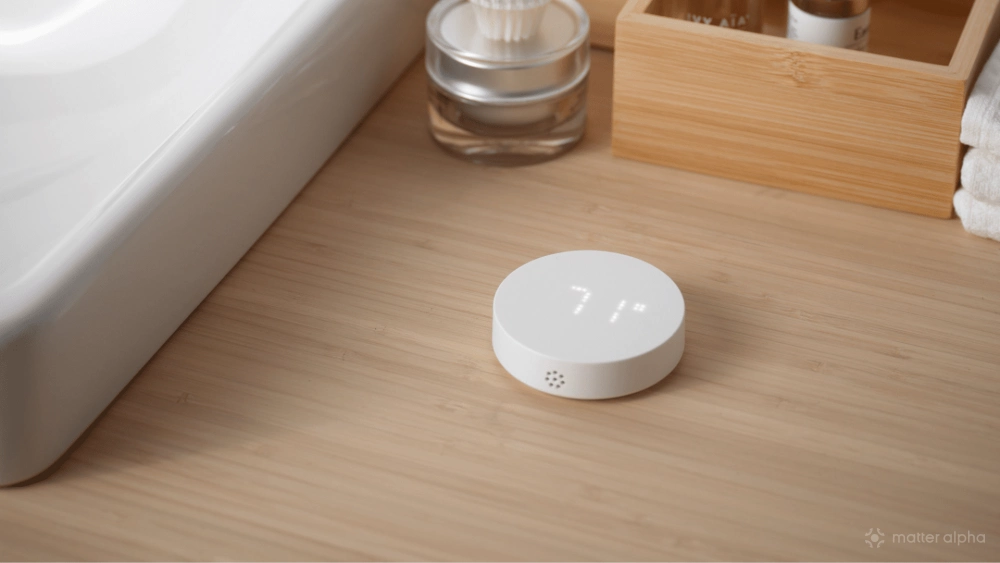
Ikea has created a turning point for the industry by making Matter products accessible to non-tech users. The company has played an important role in educating the public by simplifying its product packaging. By removing confusing third-party badges and making the Matter logo the primary mark on boxes and in the Ikea Home Smart app, they have reduced the barrier to entry for many households. The competitive pricing of these new devices puts strong pressure on rivals, which will likely lead to even more affordable Matter products across the supply chain.
Thread 1.4 and the unification of networks
Fragmented Thread networks have long been a headache for smart home users. As more devices include built-in Thread radios, users often find themselves with multiple separate networks that do not talk to each other. When adding a new device, it is often difficult to tell which network it has joined. Thread 1.4 aims to solve this by improving the onboarding and networking experience.
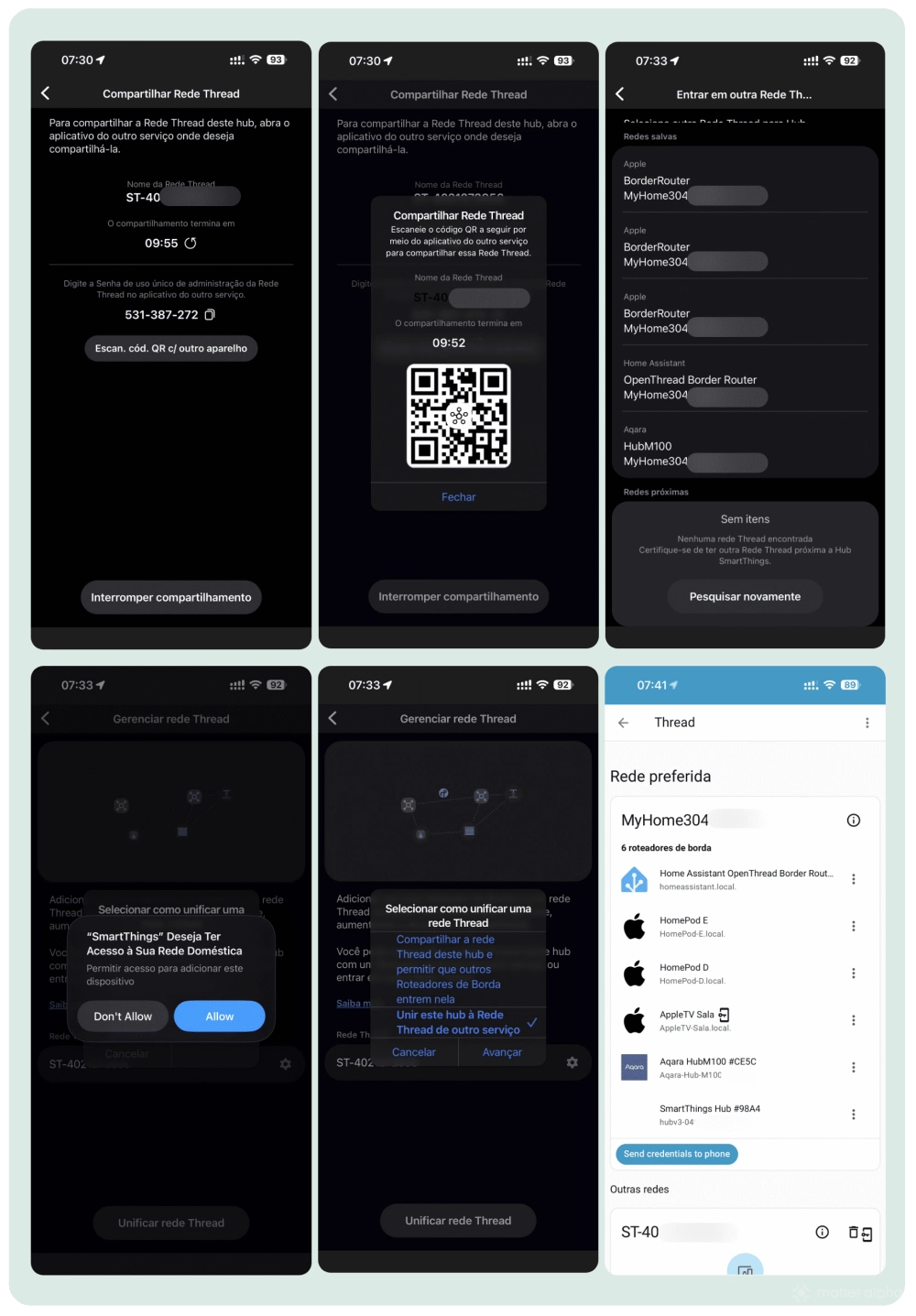
This year, major players like Eero (Amazon-owned brand), SmartThings, and Ikea have adopted the latest Thread standard. Apple also tested the update in beta for its HomePod and Apple TV devices. SmartThings and Ikea officially introduced the credential-sharing feature that allows users to add isolated Thread Border Routers to an existing network using a QR code or a numeric key. This ensures that different border routers work together in a single, strong mesh network.
These networking improvements pave the way for a more reliable “Matter over Thread” experience. By unifying Thread, device onboarding, management, and connectivity can be significantly improved. Looking ahead, the industry expects Google to further open the Android ecosystem to support these Thread 1.4 features for a better user experience.
Matter Casting gains momentum with Tubi
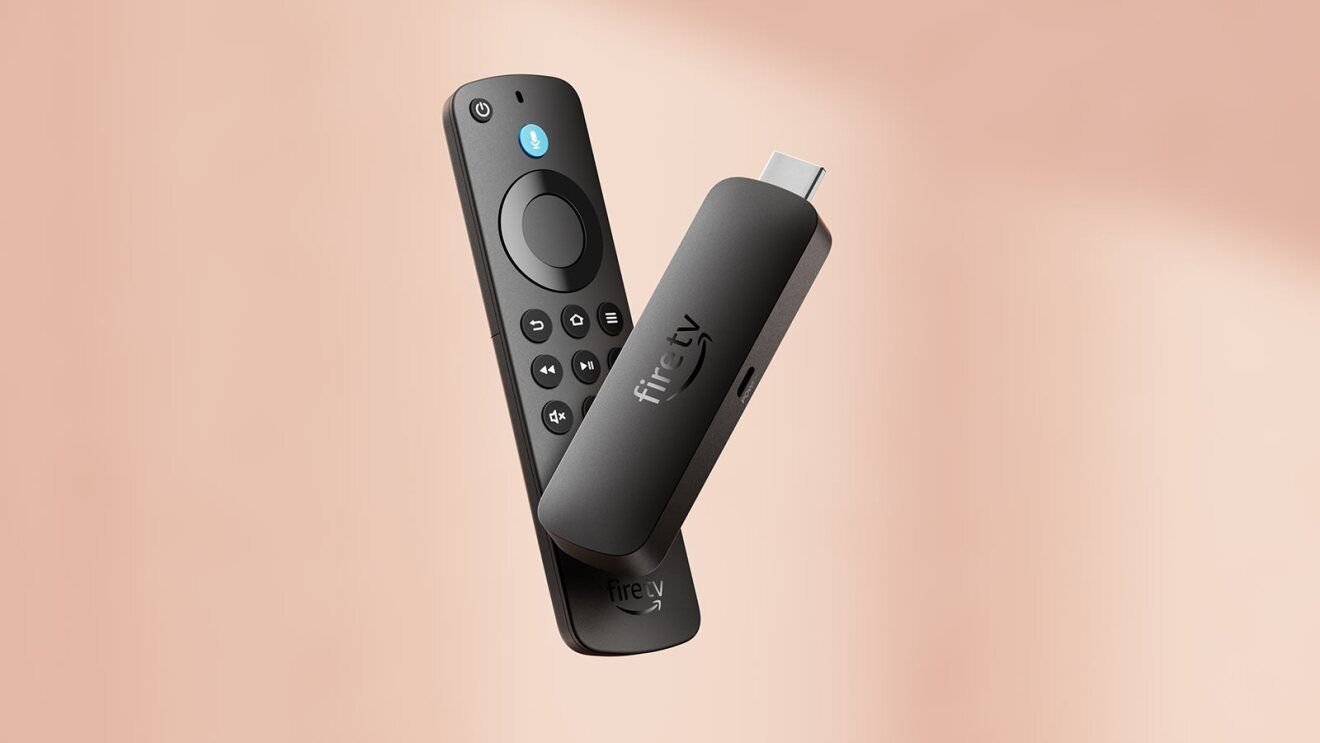
Matter Casting has finally seen its second major adopter. The ad-supported streaming platform Tubi officially announced support for the standard, allowing users to cast videos from their phones to supported Fire TV devices. This makes the Fox-owned platform the second streaming service to back the standard, following Amazon Prime Video.
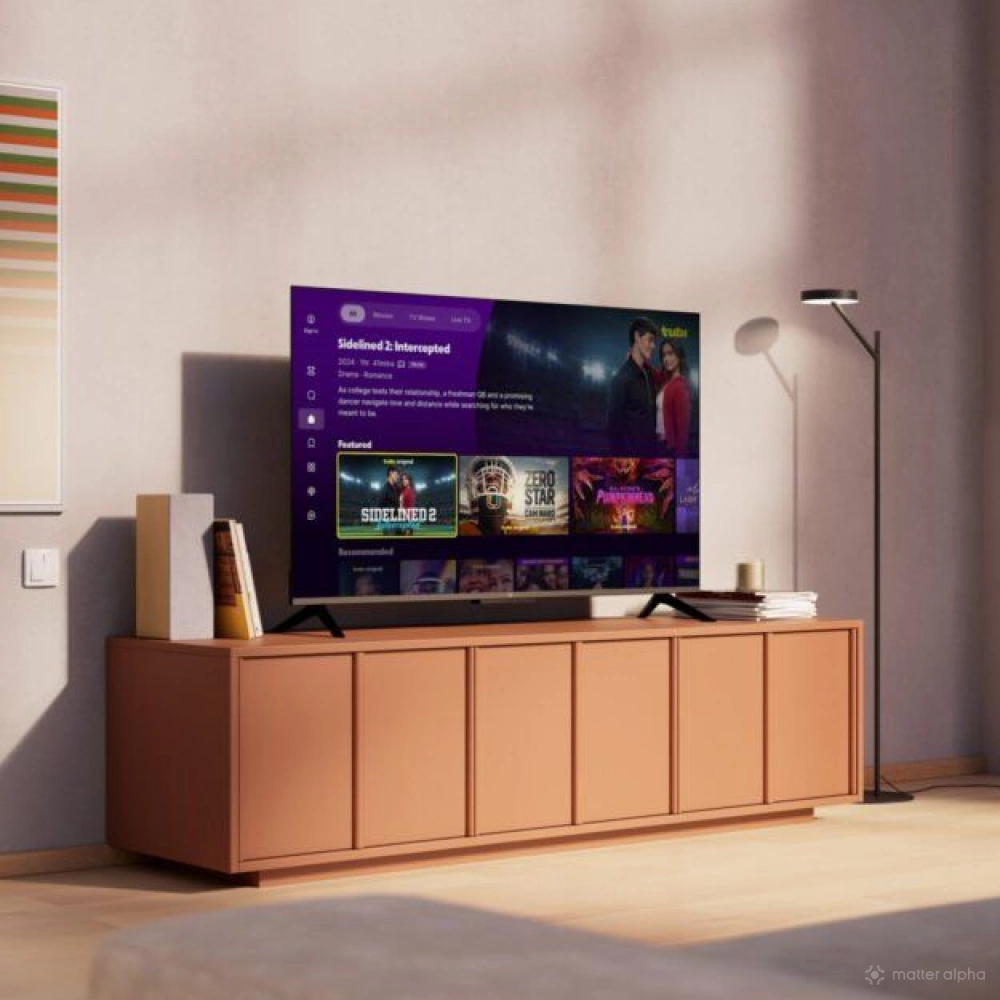
Amazon also updated its casting components to meet the Matter 1.4 specification this year. With two services that have hundreds of millions of users now supporting Matter Casting, there is a strong motivation for more TV manufacturers to adopt the standard. Despite the continued silence from Google and Apple, who maintain their own proprietary streaming technologies, the efforts from Tubi and Amazon show that an open casting standard is becoming a new force.
Matter.js joins the Open Home Foundation
The community-driven project known as Matter.js has officially joined the Open Home Foundation. This project provides a JavaScript and TypeScript implementation of the Matter standard, and its lead developer, Ingo Fischer, has joined the foundation full-time to oversee its growth.
This move is a massive win for the open source community. Matter.js is already the core of several innovative projects, such as Matterbridge, which allows devices from other brands like Shelly to work with Matter. Home Assistant has also announced it is migrating its core Matter integration to Matter.js to provide a more flexible and robust experience for its users. With the backing of a foundation, the project can now work toward official certification. This ensures that the open source version of the standard is well-maintained, properly tested, and capable of supporting the latest features as quickly as the official C++ version.
(Source: Connectivity Standards Alliance, Ikea, Samsung, Tubi, Open Home Foundation; Image Source: Samsung, Ikea, Tubi)