*Note: The article was updated with SmartThings official press release.
Major smart home platform SmartThings just announced that the Matter 1.5 Camera support, making it the first major Matter ecosystem to support this new device type.
The announcement confirms our previous coverage, where sources told Matter Alpha that SmartThings has been testing Matter Camera capabilities, with a release expected to arrive soon. The timing also aligns with the platform’s quarterly release schedule.
First Matter Camera-enabled platform
Partnered with Aqara, Eve, and Xthings, SmartThings is integrating most of the Matter Camera features into the platform.
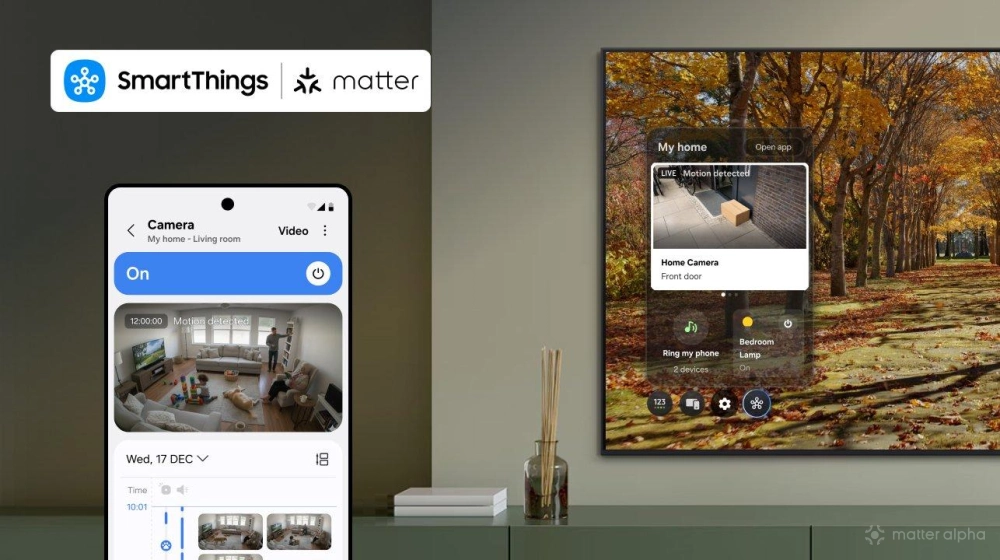
With the Matter 1.5 update, SmartThings’ support for Matter cameras will include live streaming to watch your home in real time from anywhere, clip storage to securely save and access video recordings, and two-way talk for communication through your camera. Other features are motion detection for alerts about movement, advanced camera settings to customize preferences, event history to see a timeline of notifications, and motion and privacy zones to block zones from reporting motion and from clear view to protect privacy.
For the availability, SmartThings listed supported hubs, including the Aeotec Smart Home Hub 2, Aeotec Smart Home Hub, SmartThings Hub 2018, and the ThingsOne Smart Home Hub at initial launch. The SmartThings Hub 2015 will follow in 2026. The company did not specify the supported firmware versions or app versions in the press release.
For vendors, SmartThings noted that Aqara, Eve, and Xthings are releasing “Matter-compatible cameras to market in early 2026.” The platform is also ready for developers to deploy and test Matter cameras through APIs.
SmartThings is taking the lead, again
SmartThings continues to lead in smart home innovation by rapidly rolling out support for Matter standards just as it has done with every Matter release to date. Today, SmartThings supports 58 Matter device types through the 1.5 specification, and this update also opens the door for new Works With SmartThings-certified partners to bring cameras to millions of households worldwide.
The adoption of the latest Matter specifications has generally been slow across the industry, with the notable exception of the community-driven Home Assistant. Many major platforms have appeared cautious, potentially delaying integration to avoid technical debt or conflicts with existing proprietary integration business models.
SmartThings, however, has consistently bucked this trend. It was one of the first platforms to support the previous major specification, Matter 1.4, offering nearly full device type support shortly after release. It was also the first major platform to release Thread 1.4 support with the credential sharing features that stabilized and unify Thread networks for many users.
Till now, “SmartThings supports 58 Matter device types through the 1.5 specification.”
“Our leadership in Matter has allowed us to build one of the largest and fastest-growing libraries of supported and certified Matter devices, enabling users to integrate new Matter devices with confidence,” said Mark Benson, Head of Samsung SmartThings.
By moving quickly to support Matter Cameras, SmartThings is positioning itself as the most “open” of the big four platforms. The Matter Camera support is a significant technical leap for the standard, utilizing WebRTC for low-latency video and audio streaming. This is a departure from the legacy proprietary protocols used in older smart home integrations and requires significant engineering effort to implement across platforms.
Unification encourages competition
Matter’s unification and open nature are beginning to drive better market competition. A less bounded smart home setup allows users to switch safely between different ecosystems without replacing hardware. Platforms typically hold the most power in this relationship compared to end-device makers. Now, however, the dynamic is shifting. If a platform like Alexa or Apple Home fails to catch up with features like Camera support, users can easily migrate their daily management to a more capable platform like SmartThings using Matter’s multi-admin features.
Aside from SmartThings, Home Assistant is expected to be the next major player to adopt these features. The platform is currently migrating its official Matter implementation from the standard C-based SDK (where the Python add-on acted only as a wrapper) to the recently joined Open Home Foundation project, Matter.js. This shift is expected to accelerate development. Home Assistant still needs to add a few underlying features before it’s ready for Matter Camera, like the 2-way audio required for doorbells and cameras.
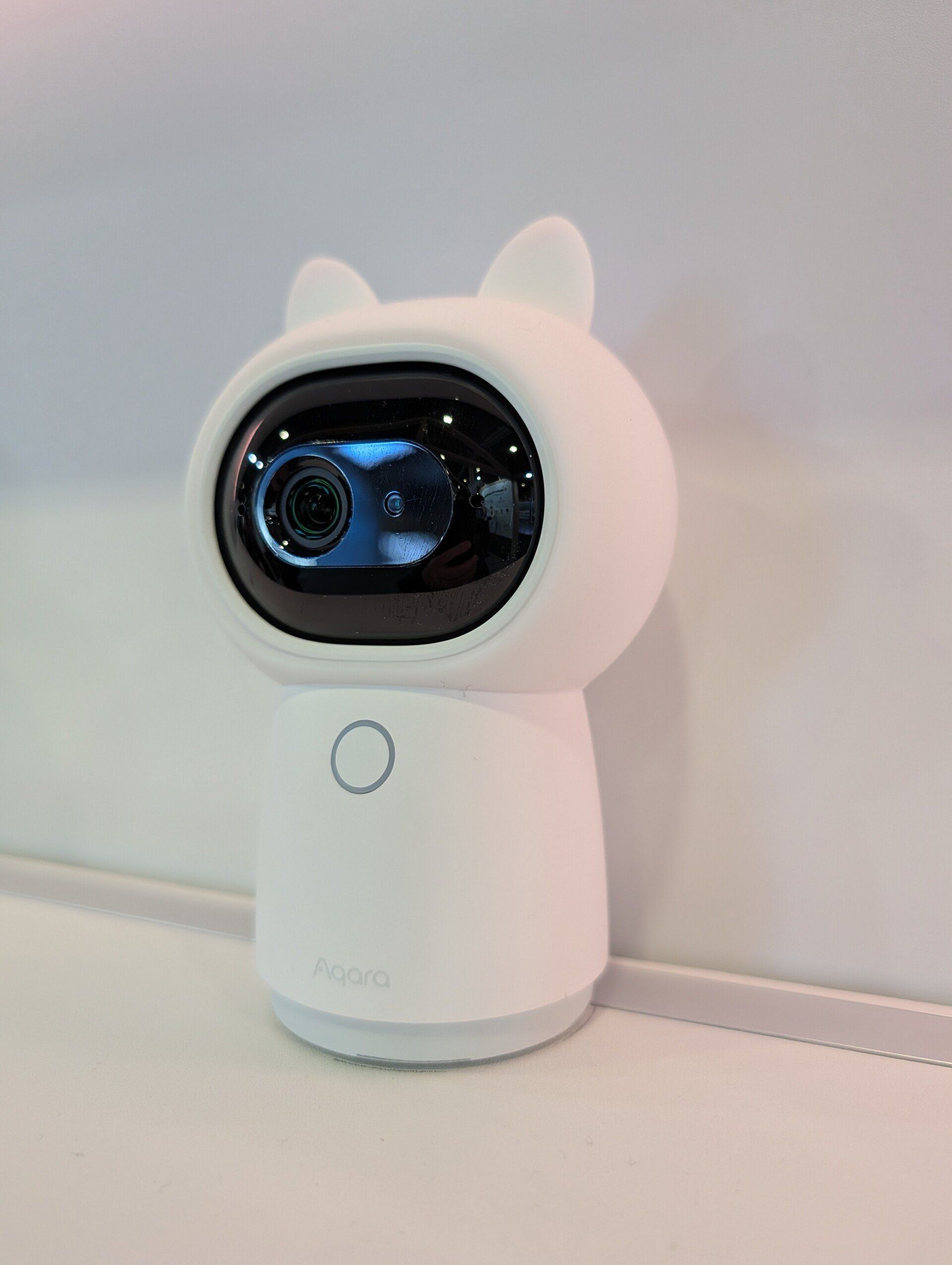
Vendor-wise, as of now, the first Matter Camera has shown up with certification from Aqara, which is likely modeled after the G350. The model is expected to feature a dual camera with zoom capability, according to Matter leak CyberModeStudio. Aqara previously told Matter Alpha that the first Matter-enabled camera would be available in 2026 H1, with more models supporting it via firmware updates, not specifying the models.
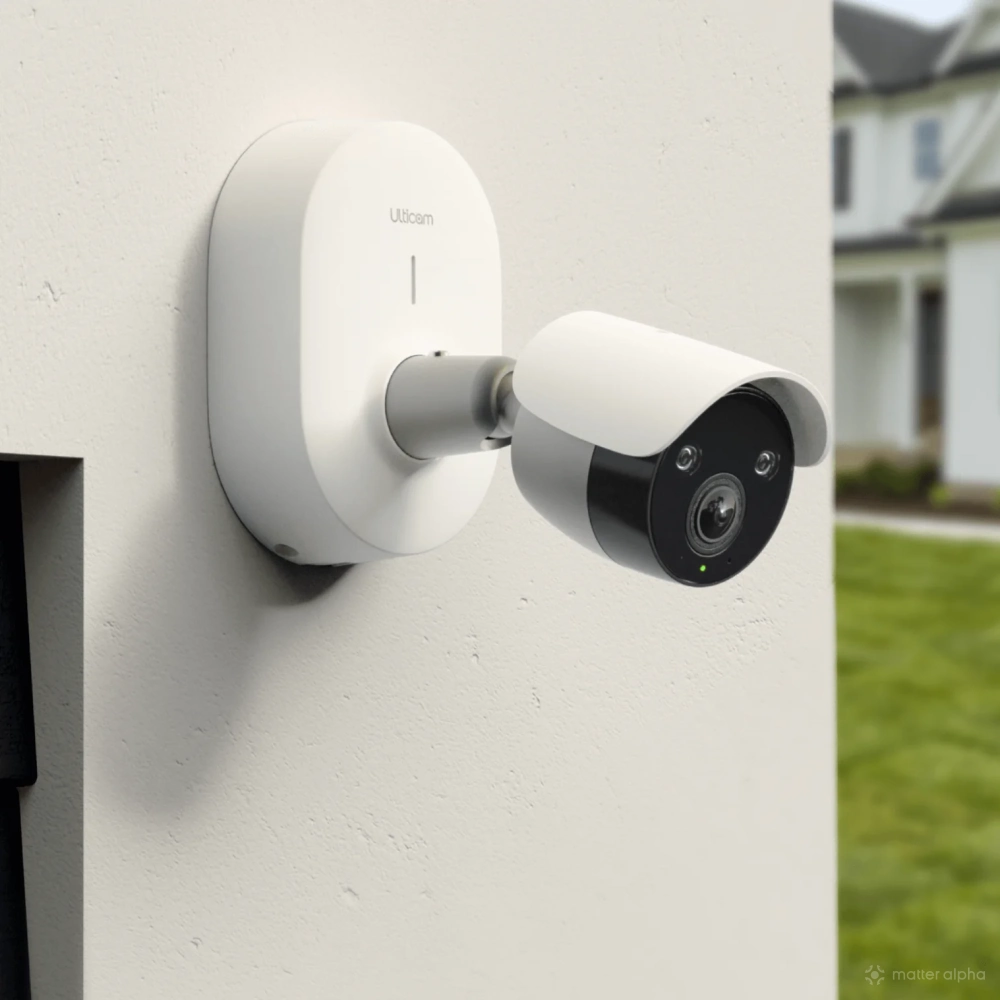
Another Matter camera from Xthings, Ulticam IQ V2, features 4K UHD image quality and Power-over-Ethernet (PoE). It is also powered by Gemini for advanced AI features, available later this month at $199 at Amazon and ulticam.com.
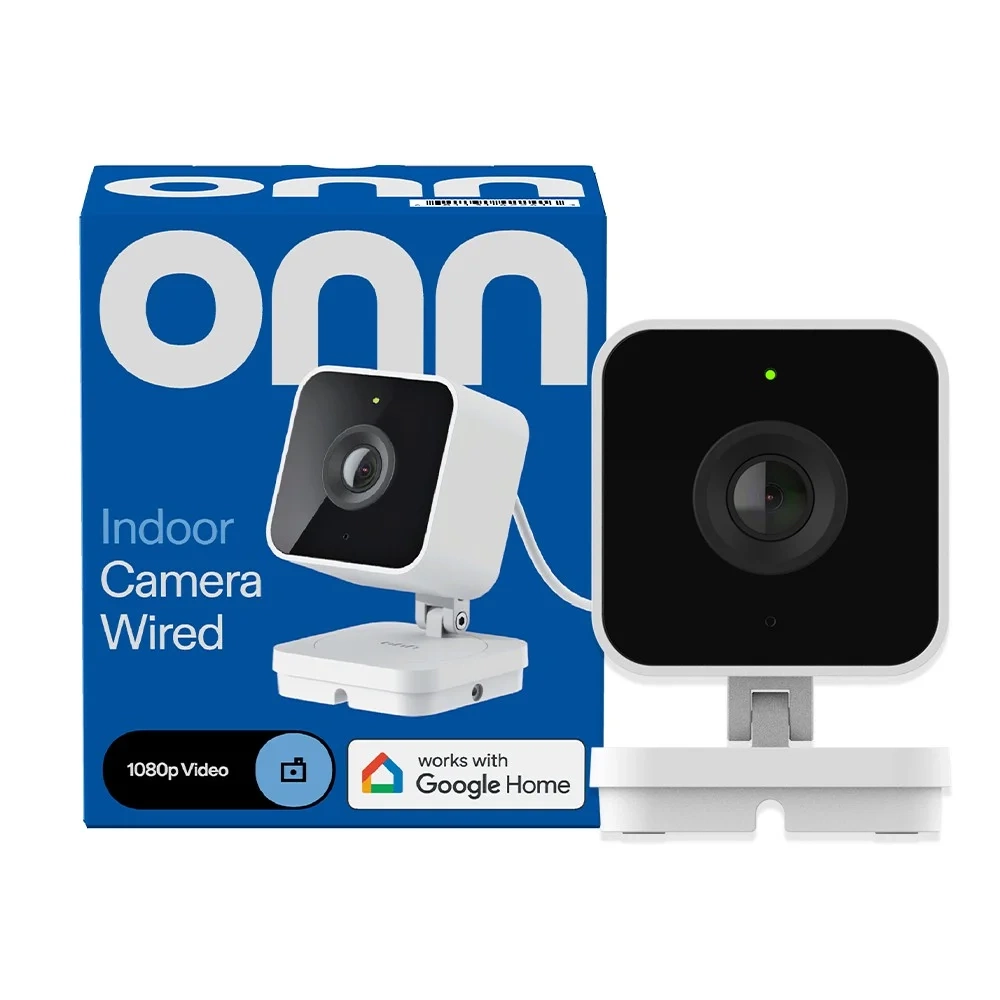
Google is also likely to introduce Matter for its latest generation cameras, along with the Walmart-partnered Onn camera, another move to phase out none Matter devices under the brands Google and Nest and shift to all Matter experience.
(Source: CyberModeStudio, Xthings, CSA, Walmart, SmartThings; Image Source: SmartThings, CSA, Xthings, Walmart)