Sendspin, the Open Home Foundation’s open multi-room audio protocol, has entered Release Candidate 1, with its first official spec and SDK now being finalized.
The timing matters because Sendspin is already moving beyond a protocol experiment. Music Assistant can use it to synchronize native devices with bridged AirPlay and Chromecast speakers, while ESPHome gives new hardware a direct path into the same system. In an industry where multi-room audio is still largely divided by platform, that gives Sendspin a much more practical role than simply adding another casting format.
With version 1.0 now in sight, here is what Sendspin is trying to fix, how it fits into the Open Home Foundation’s growing ecosystem, and why it could matter well beyond Music Assistant.
A protocol by OHF
Sendspin comes from the Open Home Foundation, the nonprofit organization behind Home Assistant, ESPHome, and Matter.JS. Its portfolio now covers more than 250 open-source projects, standards, drivers and libraries.
The foundation does not generally set out to create new standards just for the sake of having another standard.
In an interview with Matter Alpha, Open Home Foundation President Paulus Schoutsen said the organization prefers existing tech when they already solve a problem. While Sendspin came from finding a gap where they did not.
Multi-room audio already exists through systems including Apple AirPlay, Google Cast and Sonos, but experimenting outside the boundaries set by those ecosystems is considerably harder.
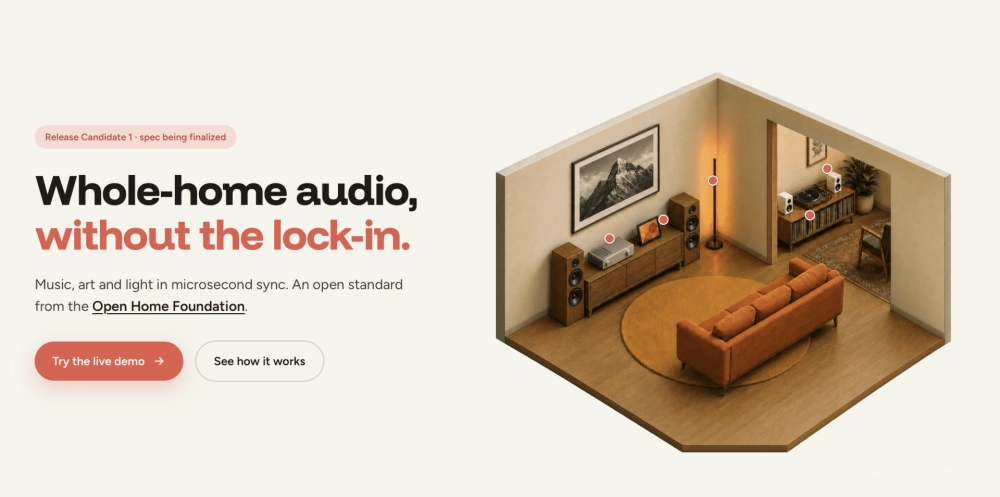
“If you want to play with this, if you want to experiment with this, if you want to make your own program that receives this multi-room audio and maybe visualize it, offer controls, or play it in a way that is not envisioned by the creators or the gatekeepers of Cast and AirPlay or Sonos, you couldn’t do it,” Schoutsen said.
The idea eventually became more concrete during a CSA meeting in Chicago. Schoutsen said members of the team were discussing multi-room audio, and alternatives such as Snapcast before deciding to build their own protocol in a better way.
After more than a year of work by several full-time contributors, including a mathematics professor, that effort became Sendspin.
Breaking the proprietary walls of multi-room audio
The basic problem Sendspin targets is not simply streaming a song over Wi-Fi. AirPlay, Google Cast and Sonos can already do that well.
The problem comes when devices cross ecosystem boundaries.
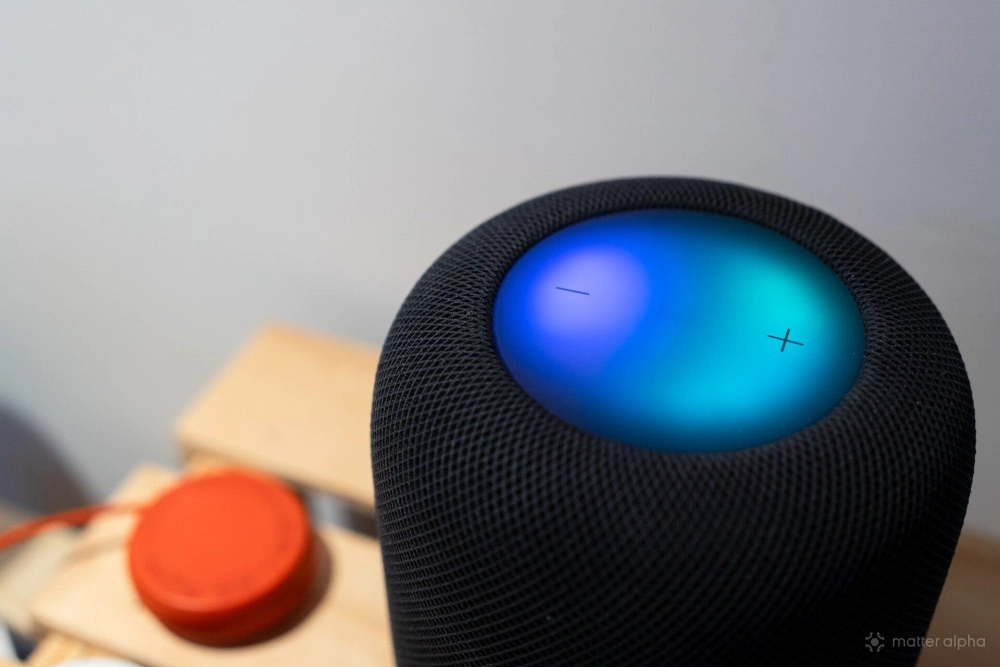
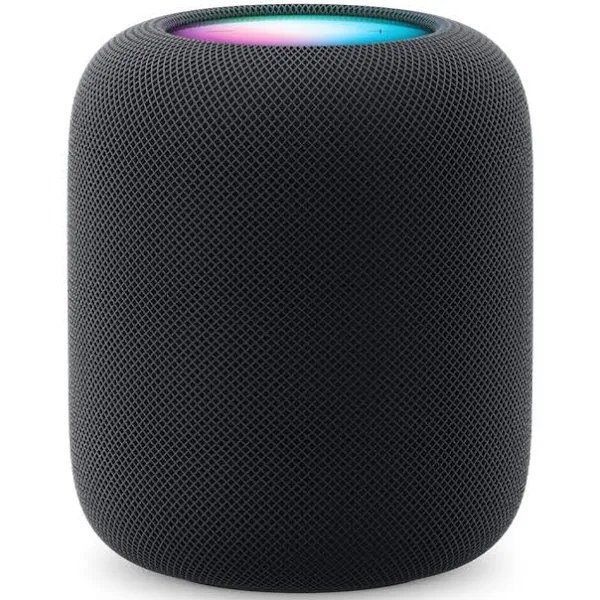
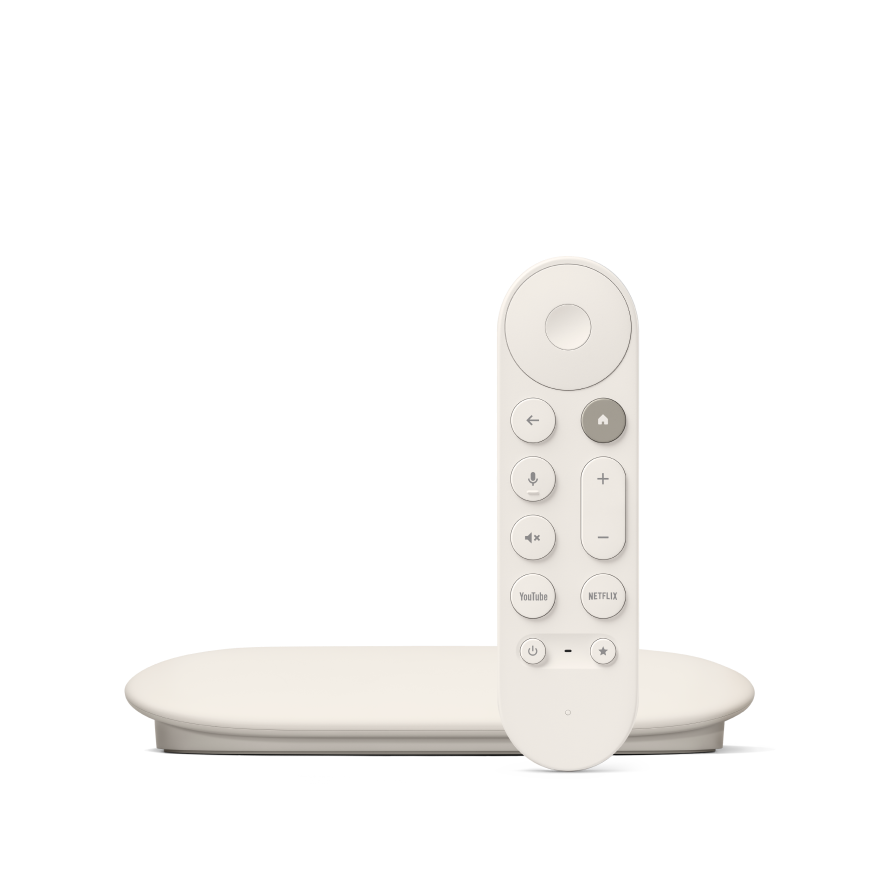
An AirPlay speaker, a Chromecast speaker and a DIY ESP32 audio player normally speak different languages. Even if software can individually send audio to each one, keeping all of them synchronized is considerably more difficult.
Sendspin creates a common orchestration layer around that experience.
Music Assistant 2.8 demonstrated one of the more practical examples with Sendspin Bridges. Music Assistant can wrap compatible AirPlay and Chromecast devices as Sendspin players like a Matter Bridge, allowing them to participate in the same Sendspin group. That can include AirPlay-capable Sonos speakers alongside devices using Chromecast and native Sendspin hardware.
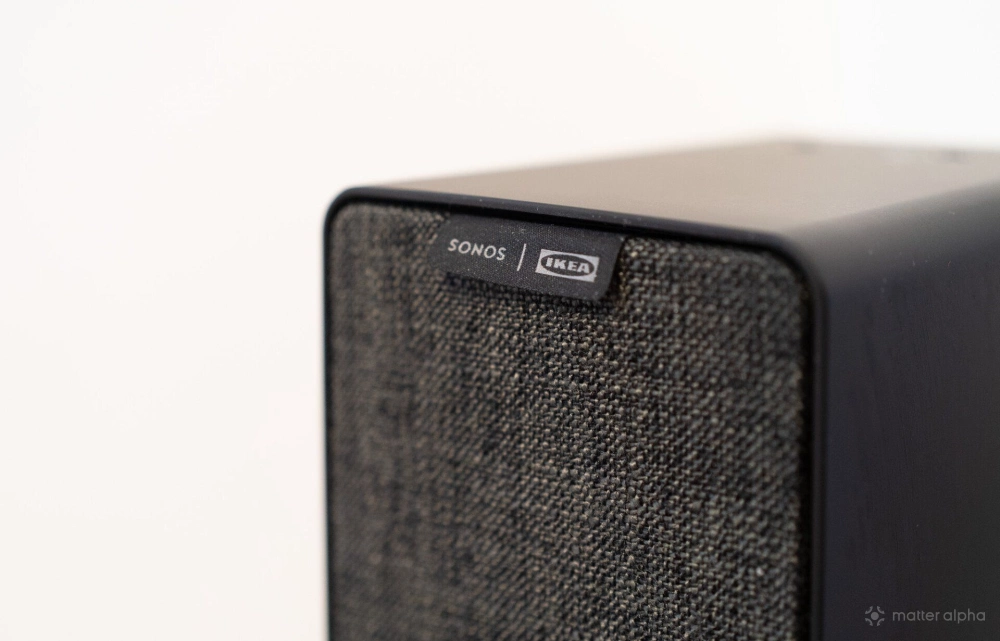
Sendspin handles the group timing while the bridge continues using the device’s existing transport underneath. It means existing hardware does not necessarily need native Sendspin firmware before it can become part of the system.
There are still hardware and firmware limitations, particularly with some Chromecast implementations, so bridging does not guarantee compatibility with every device. But the approach gives Sendspin an important advantage at launch: users do not have to replace an entire speaker system before experimenting with it.
Key features of Sendspin
Sendspin also goes considerably further than synchronizing several audio streams.
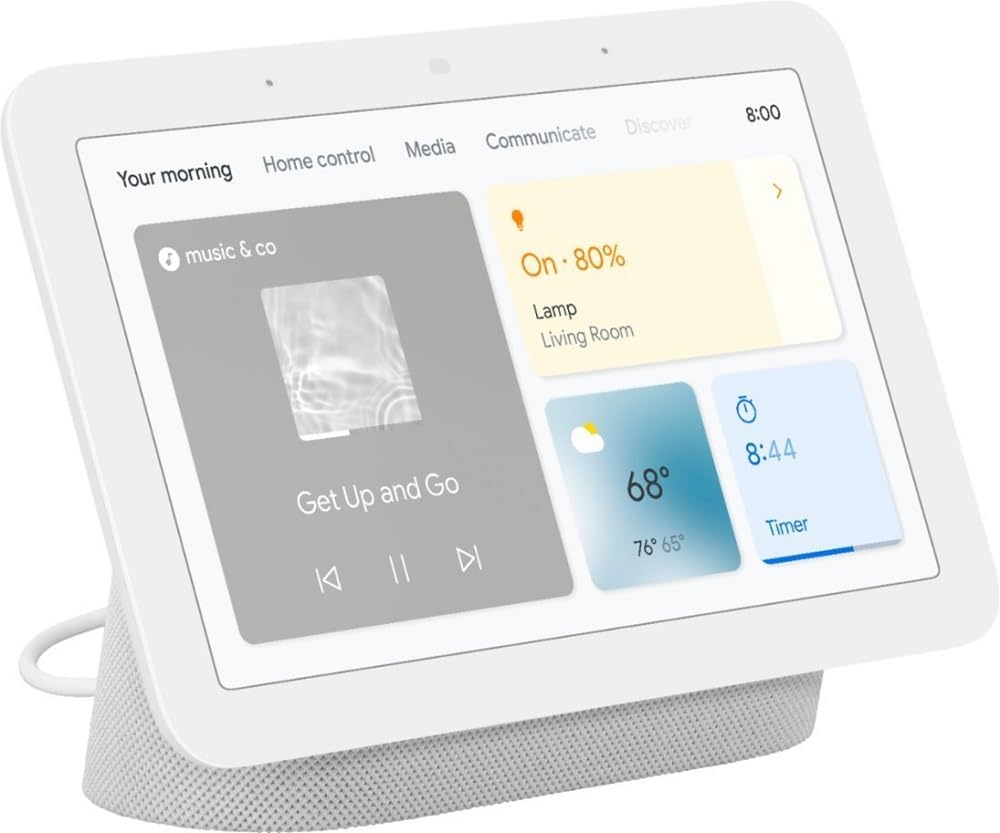
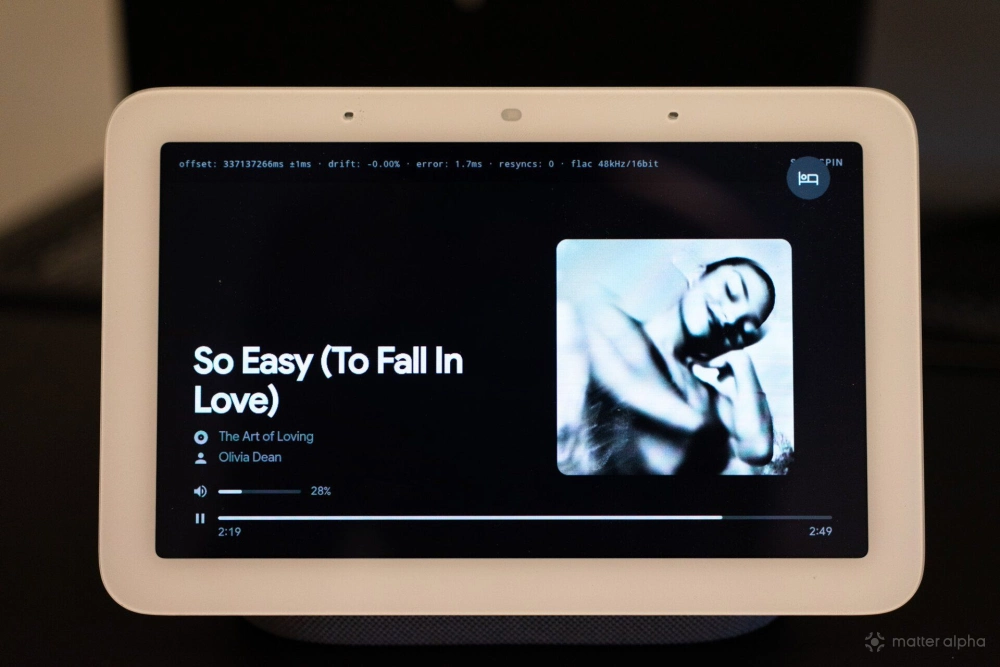
Its spec defines separate roles for players, audio sources, controllers, metadata, artwork, visualizers and color. A speaker can play the audio, a wall panel can show album artwork and controls, and another device can use visualization data to drive lighting, with the server coordinating them as parts of the same listening experience.
This is where Sendspin starts to look more like a smart home protocol than another casting standard like Matter Casting.
The protocol carries playback timing alongside metadata and visual information. It can distribute album and artist artwork, expose playback controls and send visualization data such as loudness, beat and spectrum information.
Audio sources work in the other direction. A Sendspin device can capture audio from something such as a turntable or CD player and send it back to the server for all-room music.
Players can also negotiate different audio formats. The current spec requires servers to support PCM and FLAC, while Opus is optional. Individual clients can advertise their preferred codec, channel count, sample rate and bit depth, allowing a server to adapt output for different hardware instead of forcing every player to receive an identical stream.
Connections stay local and use end-to-end encryption based on the Noise Protocol Framework.
A loud debut
Sendspin already has several ways into a home before its spec reaches a final release.
Music Assistant provides the server side and uses Sendspin as its native synchronized playback protocol. Home Assistant Voice Preview Edition now ships with Sendspin support and can use its 3.5mm output to feed existing powered speakers or amplifiers.
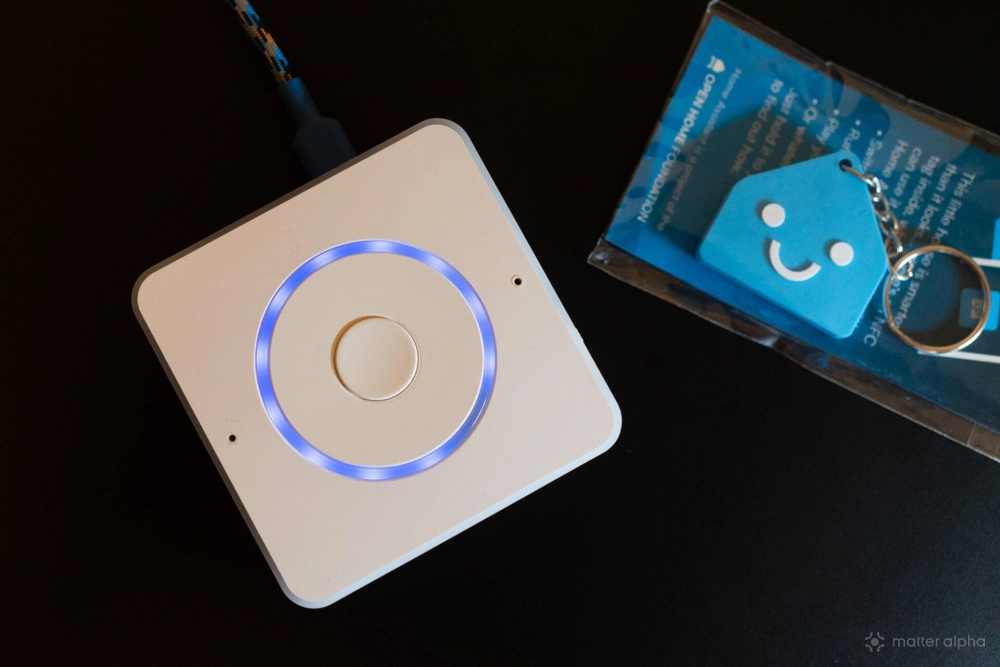
ESPHome now includes Sendspin components as well. ESP32-based devices can be configured as Sendspin audio players, controllers, metadata displays and artwork displays, giving DIY hardware a relatively direct path into the ecosystem. ESPHome still labels the integration experimental while the Sendspin spec is being finalized.
Commercial hardware is also starting to appear.
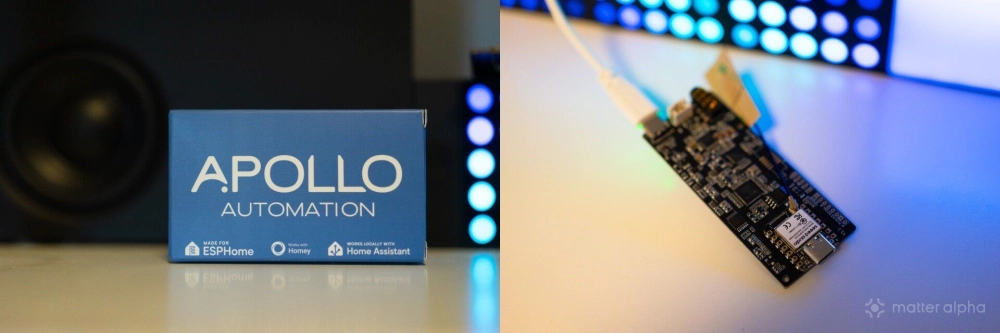
Apollo Automation recently launched the CAST-1, a $29.99 ESP32-S3-based audio adapter running ESPHome. It connects to powered speakers, amplifiers or receivers through a 3.5mm output and turns them into Sendspin players in Music Assistant. Multiple CAST-1 units can then participate in synchronized multi-room playback. The SEEED Studio ReSpeaker series offered more powerful options with built-in voice assistants as well.
Third Reality also released the Voice and Music Assistant Dev Edition with native Sendspin support.
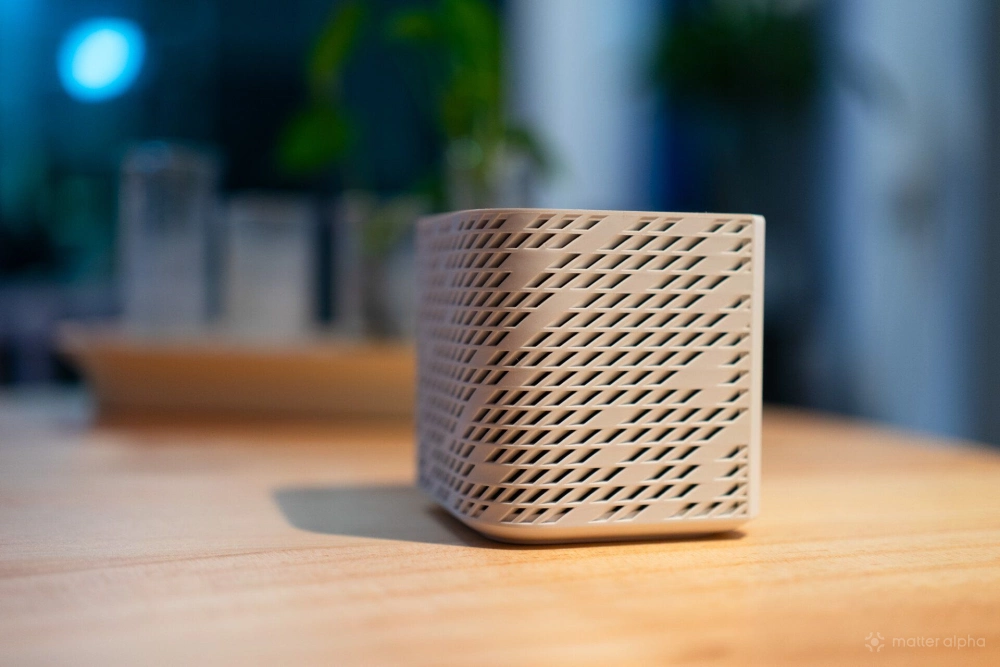
The community has pushed the bridge idea further. One open-source Sendspin Bluetooth Bridge project can expose ordinary Bluetooth speakers and headphones as Music Assistant Sendspin players, using a Linux host, Raspberry Pi, Home Assistant add-on or similar system as the intermediary. So you can build a multi-room audio system with cheap IKEA 10 dollar speakers.
There are also official SDKs covering C#, C++, Go, JavaScript, Kotlin, Python, Rust, and Swift, giving Sendspin a much broader development surface than the early ESP32 demos suggested.
The state of Sendspin
Sendspin is now at Release Candidate 1, and the Open Home Foundation says the spec is being finalized. A certification program for commercial products is also in the works.
That does not mean every audio problem has been solved.
Home theater is one obvious gap. The current protocol can describe audio streams with different channel counts, but it does not yet define a complete surround-speaker model that assigns individual devices to positions such as center, surround left or LFE.
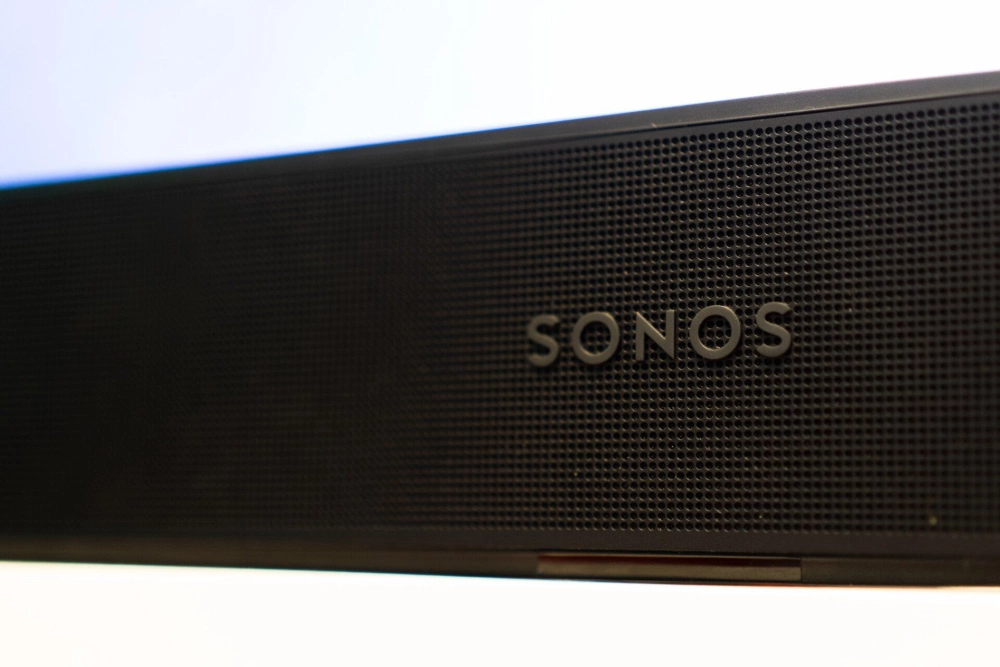
A proposal for standardized surround groups and speaker roles remains open in the project’s issue tracker. The current spec also defines PCM, FLAC and optional Opus rather than licensed home-theater formats such as Dolby or DTS.
That distinction becomes important if Sendspin eventually moves from synchronized music into modern TVs, soundbars and home-theater systems. Supporting multiple channels is only one part of the problem. Channel assignment, calibration and interoperability with the formats already used by commercial AV hardware would require another layer of work.
For now, Sendspin has a more focused job.
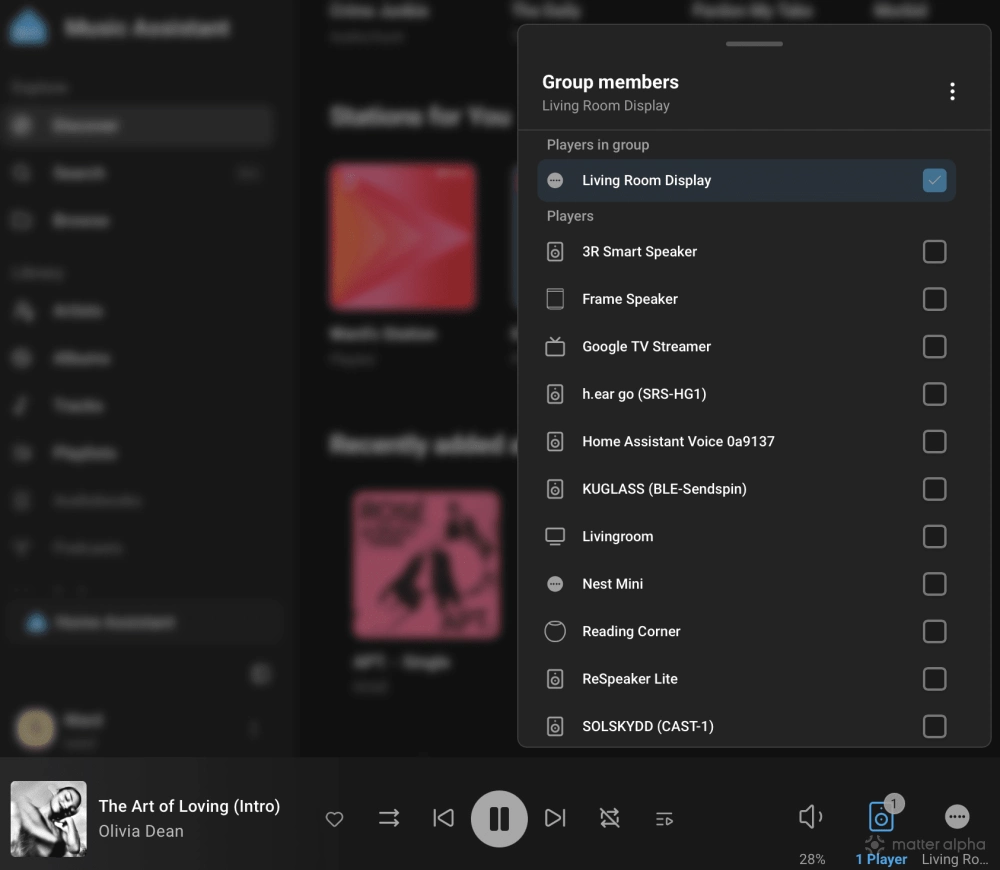
It gives Music Assistant, ESPHome devices, existing speakers and new hardware a common way to participate in multi-room audio without requiring one manufacturer to own the entire closed system.
Schoutsen expects that openness to matter more as developers start building things the original protocol designers did not imagine. Two or three years from now, he said, the goal is for multi-room audio to become “a solved problem that anyone can play with.”
With Sendspin approaching its first finished spec later this year, we are about to see more devices and open projects ready for Sendspin.
(Source: Sendspin, Open Home Foundation, Music Assistant, ESPHome, Apollo Automation, GitHub; Image: Matter Alpha/Ward Zhou, Open Home Foundation).