Third Reality has been expanding its Matter ecosystem while running Thread in parallel with the Zigbee products already in its lineup. This year, that Thread effort has become much more aggressive, with a broader range of devices moving onto the roadmap.
Speaking with Matter Alpha in Shanghai, Product Manager Yi Zhang explained how 3R evaluates Thread from both the product and business sides. The result is an approach that often runs against wider industry trends, particularly around protocol consolidation, chipset choices and what Thread needs to deliver before it pays back commercially.
*The interview was conducted in Chinese and the direct quotations have been translated and edited for clarity.
Zigbee pays the bills, Thread opens ecosystems
Third Reality once called itself a “Zigbee House,” and the numbers explain why.
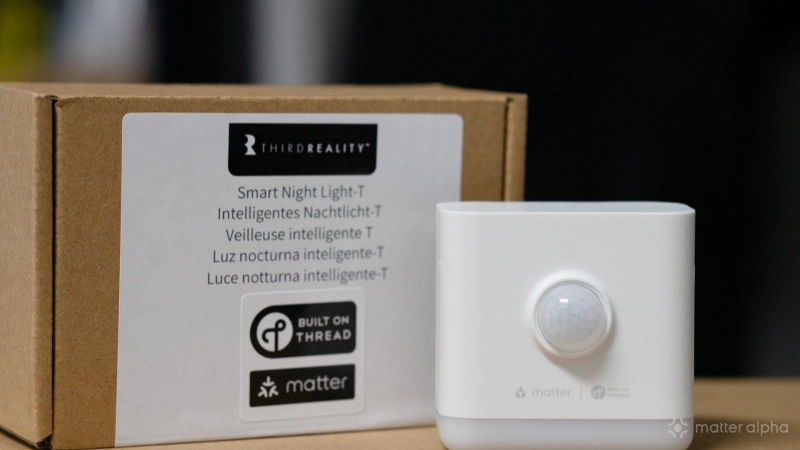
Its Night Light comes in separate Zigbee, Matter-over-Thread and Matter-over-Wi-Fi versions. Zhang said the Zigbee model still sells roughly two to three times as many units as the Thread version.
This brand helps to support our site to remain ad-free.
Read more about our ethics policyThirdReality Smart Color Night Light
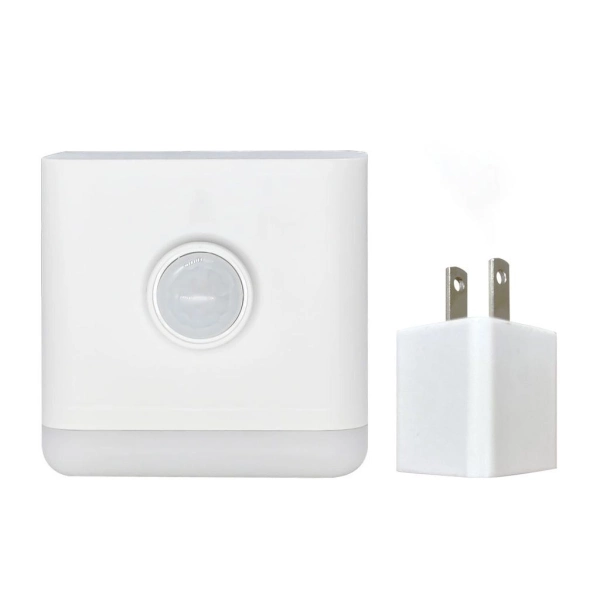
The ThirdReality Smart Color Night Light (3RSNL02041WM) is a Matter protocol device offering color lighting and motion sensing capabilities.
This brand helps to support our site to remain ad-free.
Read more about our ethics policySmart Presence Night Light Gen 2 with Clock
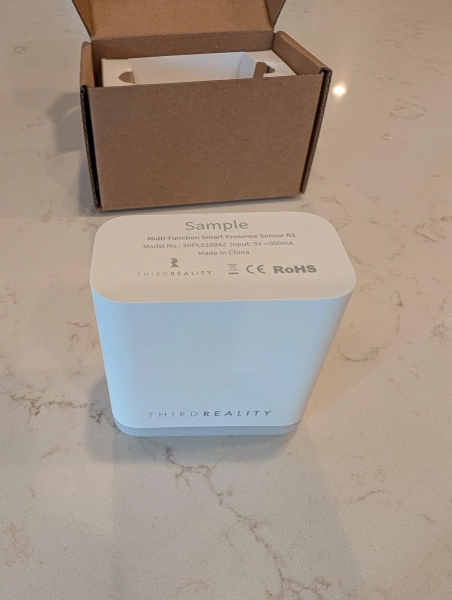
Third Reality Smart Presence Night Light Gen 2 with Clock combines mmWave presence sensing, adaptive RGB lighting, and a clock in a Matter-enabled bedside light.
This brand helps to support our site to remain ad-free.
Read more about our ethics policySmart Night Light -T
Asked about the financial payback from Thread so far, his answer was blunt: “Zero.”
While Third Reality is investing anyway.
For Zhang, Thread is not a replacement for Zigbee today. It is a way into ecosystems the company previously had a harder time reaching, particularly Apple Home and Google Home, without asking users to adopt another proprietary hub or integration.
The Night Light makes that strategy clear. Zigbee remains the volume business. Matter over Wi-Fi covers another part of the Matter market. Thread is the longer-term bet.
The value, at least for now, is not higher sales but broader ecosystem access.
Fast engineering support matters
That same pragmatism shapes a less visible decision: which chips go inside the products.
Large global semiconductor vendors may offer lower power consumption and more mature platforms on paper. Zhang said the comparison changes quickly when an SDK or firmware problem blocks development and the hardware team cannot get directly to the engineers who can fix it.
For Third Reality, vendor support has effectively become part of the chipset specification.
“We need day-one response, week-one issue resolution,” Zhang said.
That requirement has pushed Third Reality toward more domestic Chinese chip suppliers. Their advantage is not simply price. Zhang said his engineers can often work directly with the supplier’s development team, reproduce a problem together and push toward a fix within days.
He contrasted that with the longer support chain that can come with larger global vendors, where resolving a platform-level issue may take weeks or longer. For a relatively small hardware team, that engineering time can outweigh an advantage elsewhere on the datasheet.
The trade-off is that some of those chip platforms consume more power, which leads Third Reality to solve the problem somewhere else in the product.
The answer can be surprisingly simple like what others did as well: use a bigger battery.
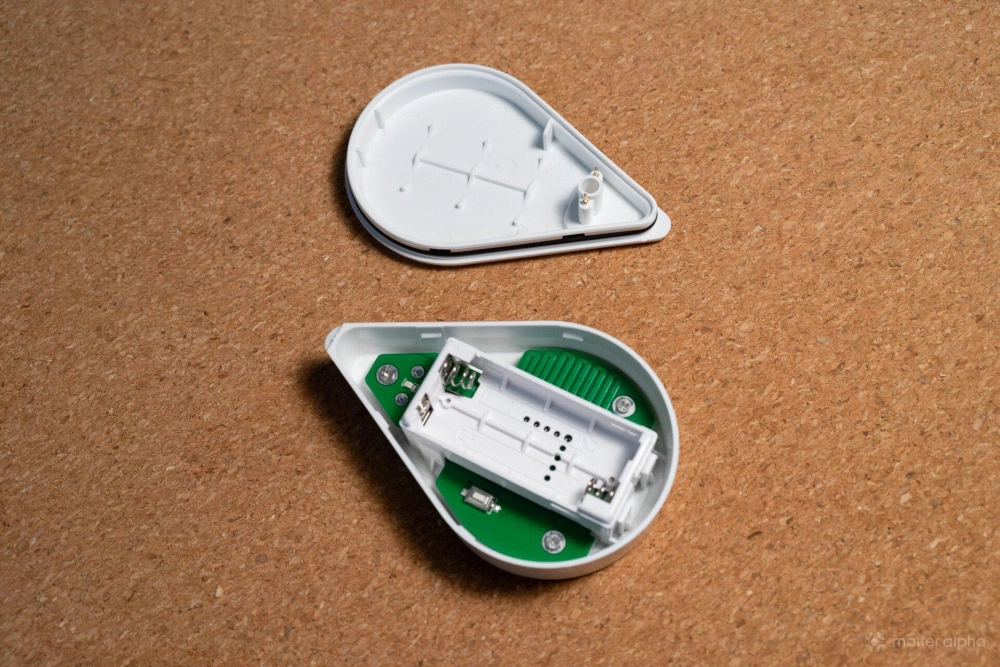
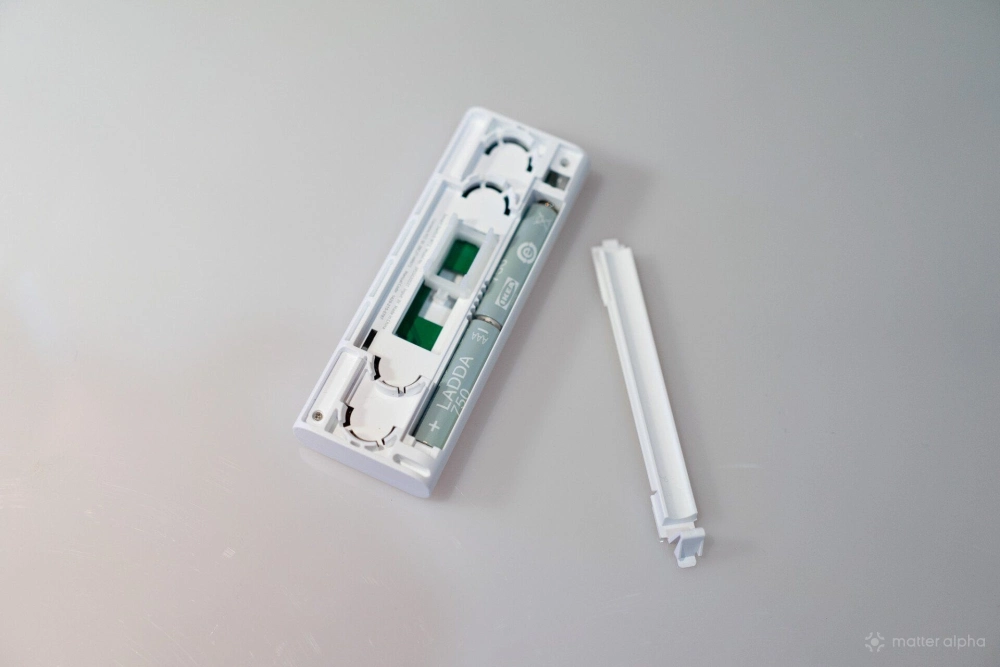
Third Reality generally favors AA, AAA or rechargeable batteries over small coin cells such as CR2032 for products where battery life matters. That creates a larger enclosure, but also provides far more energy and makes replacement easier for customers.
Zhang said the company targets around a year of practical battery life, which gives Third Reality more freedom when selecting chip platforms. A slightly higher-power chip can still make sense if it comes with faster development support at a budget and the larger battery keeps replacement intervals reasonable.
It is a system-level trade-off rather than a race to optimize every individual component.
A smaller sensor with a lower-power chip may look better on a spec sheet. Third Reality would rather accept the larger enclosure if the finished device is easier to develop and causes fewer battery complaints after it reaches customers.
“Monoprotocol” to keep simplicity
Third Reality is taking a noticeably different route from other smart home vendors as Zigbee manufacturers move toward Thread.
Aqara, Hue and IKEA are all moving toward hardware that spans Zigbee and Thread. Third Reality is going the other way: keep the protocols separate, even if that means more SKUs.
Third Reality has access to the same class of multiprotocol chipsets, but Zhang does not want that technical capability to become another decision customers have to manage.
Third Reality just usually sells separate Zigbee, Matter-over-Thread, and Matter-over-Wi-Fi versions for one product like the smart night light.
For Zhang, the problem starts after the chip leaves the engineering lab. A switchable product needs a default protocol, a way to change modes and instructions explaining what state the device is in. Warehouses can ship the wrong configuration, while support teams gain another variable when commissioning fails.
Third Reality is therefore accepting more SKUs to keep each SKU simpler: one protocol and one expected setup path.
The choice runs against the industry push to consolidate protocols into the same hardware, but Zhang sees little value in reducing hardware variants if the complexity simply moves into logistics, setup and customer support.
Thread extends from a solid base
Third Reality’s Thread investment is already moving beyond a few products.
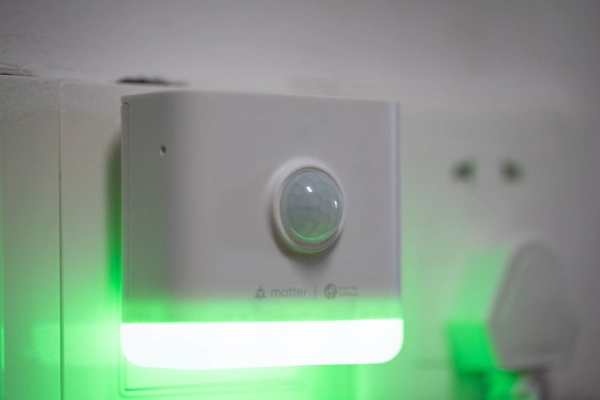
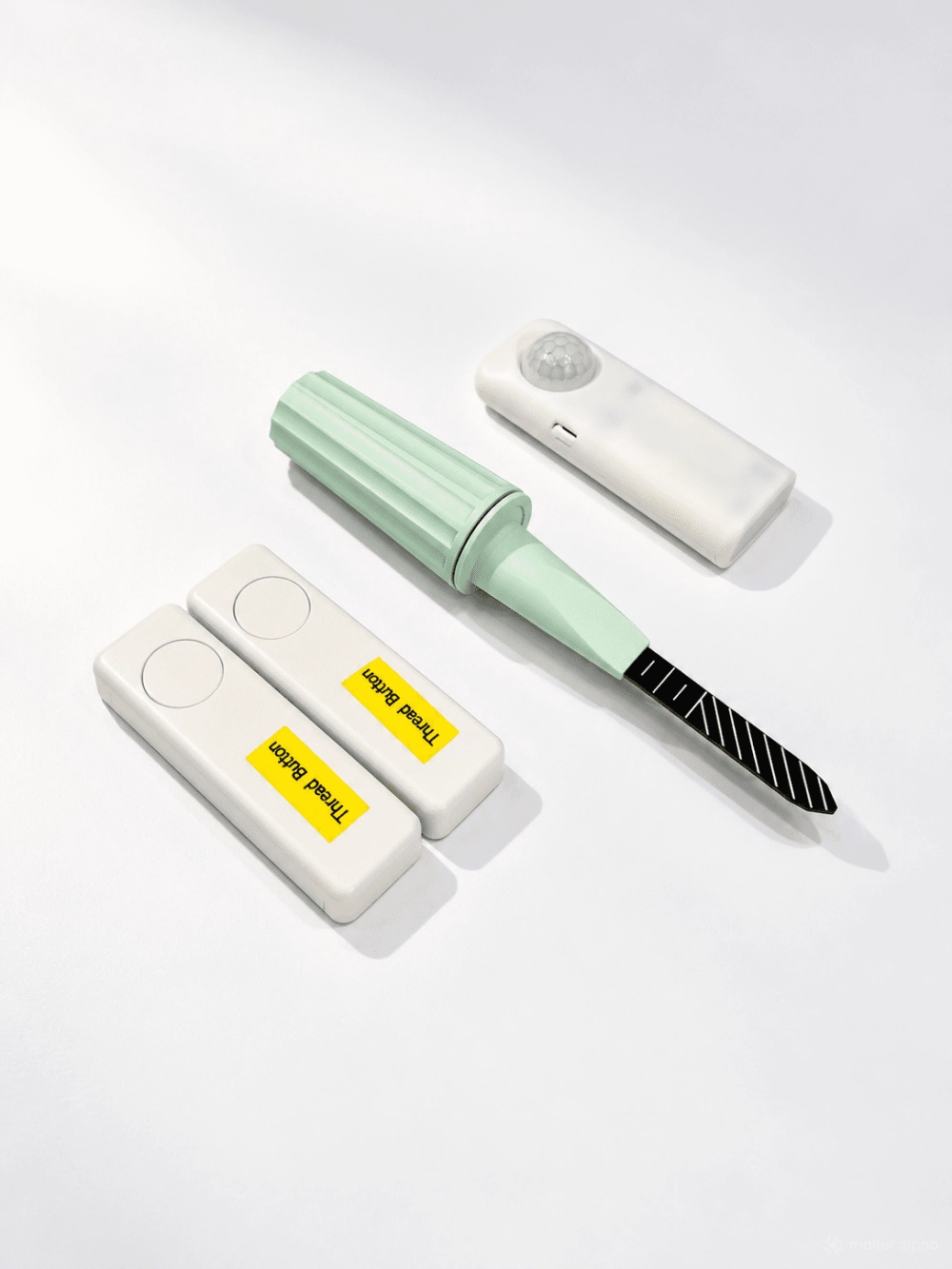
The company has released devices such as the Matter-over-Thread Smart Switch MT1 and Smart Night Light-T, while its 2026 roadmap adds Thread versions of the Smart Button, Smart Plug, Smart Bulb and Smart Soil Moisture Sensor.
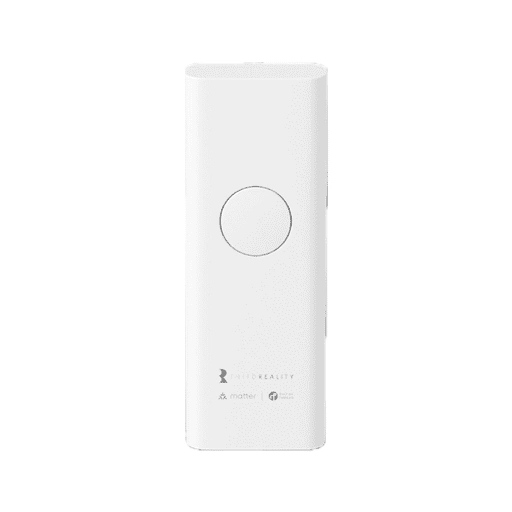
ThirdReality Smart Switch MT1
Those products matter because they take categories Third Reality already knows well and give them a native Matter path instead of treating Thread as a one-off experiment.
The roadmap also extends further. Third Reality has discussed bringing Thread to categories including blinds, motion sensors and other power controls, although those remain longer-term plans without a specific launch timing.
Despite the hardware supply arriving, Third Reality’s sales numbers show that equivalent demand may not be there yet. That makes the next phase of Thread less about whether vendors can build the devices and more about whether the expanding ecosystem can turn compatibility into sales. And Matter is another factor to contribute to that goal.
For Thread, the more meaningful milestone may be when companies such as Third Reality no longer have to treat it as an investment.
(Source: Matter Alpha; Image: Matter Alpha/Ward Zhou).