IKEA has recently filed new FCC entries for four existing Matter products, pointing to major revisions in their core hardware.
The affected products are the MYGGSPRAY wireless motion sensor, MYGGBETT door and window sensor, BILRESA dual-button remote, and BILRESA scroll-wheel remote. All retain their existing commercial names but now appear under new model numbers and FCC IDs.
These products are among IKEA’s first battery-powered native Matter devices. In my testing and feedback from users, unresponsiveness, unstable connectivity, and unexpectedly short battery life have been recurring concerns. New hardware could give IKEA another route to address problems that firmware alone may not fully fix.
New FCC entries
A regular hardware revision does not always require FCC updates. Manufacturers need to submit updated test reports when it comes to changes such as a redesigned circuit board or wireless component, as an industrial source told Matter Alpha.
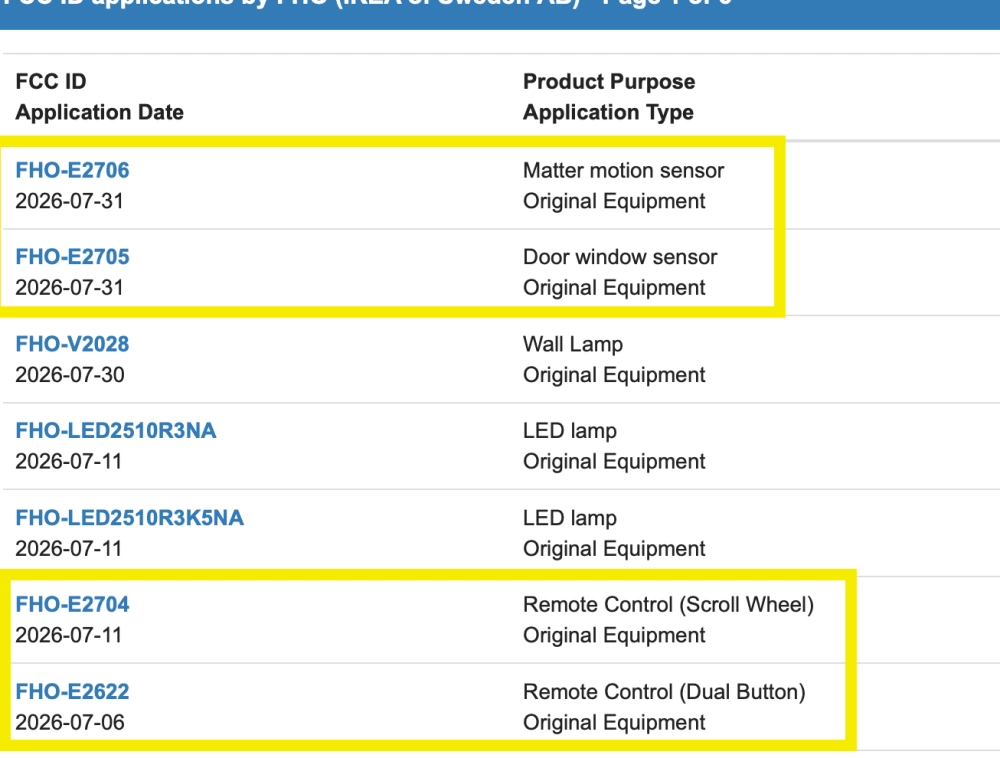
Kristin Lin, a technical expert at TÜV Rheinland, a major test lab for Matter device certification, told Matter Alpha that replacing core components such as the radio chipset would require a new equipment authorization and FCC ID. Such a change is generally treated as a brand-new device under FCC rules, Lin added.
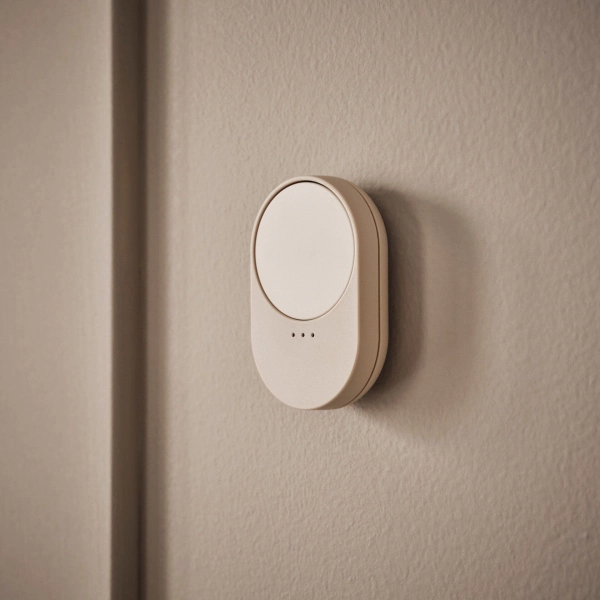
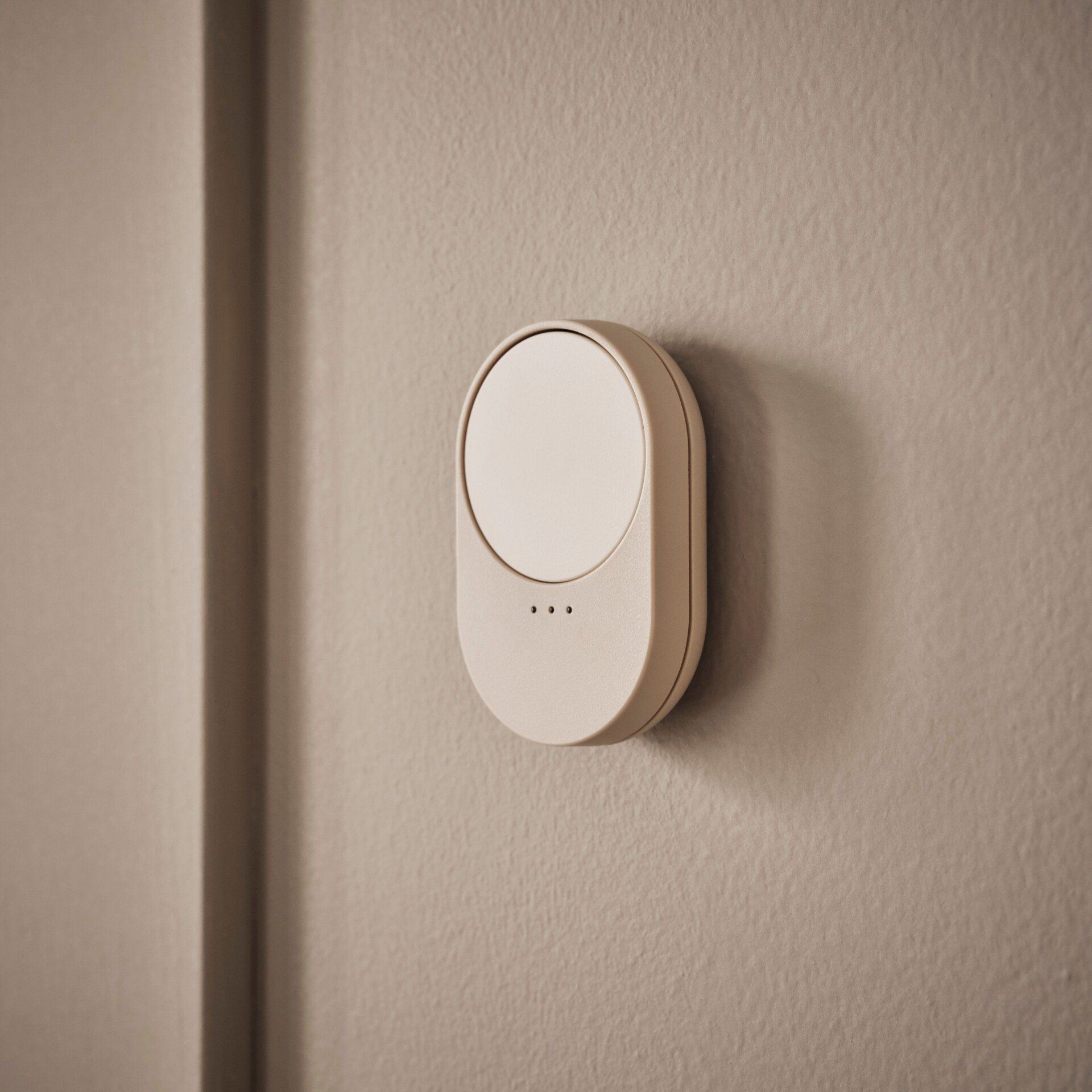
BILRESA scroll wheel
A tactile scroll-wheel remote that lets you adjust light brightness, colour, and scenes with a simple turn or press.
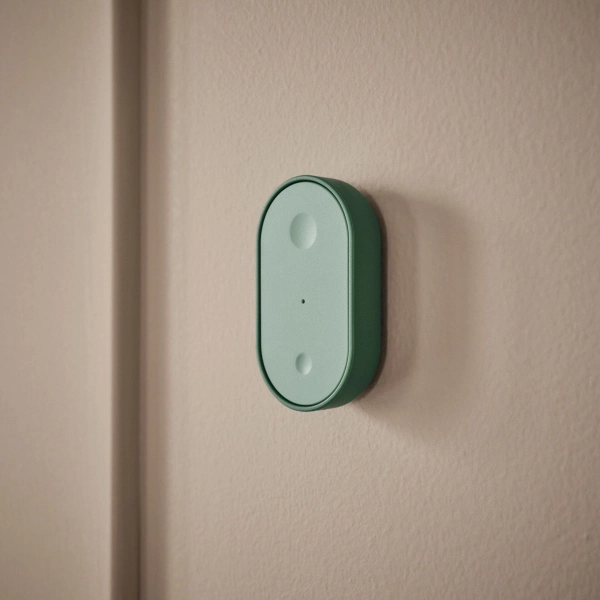
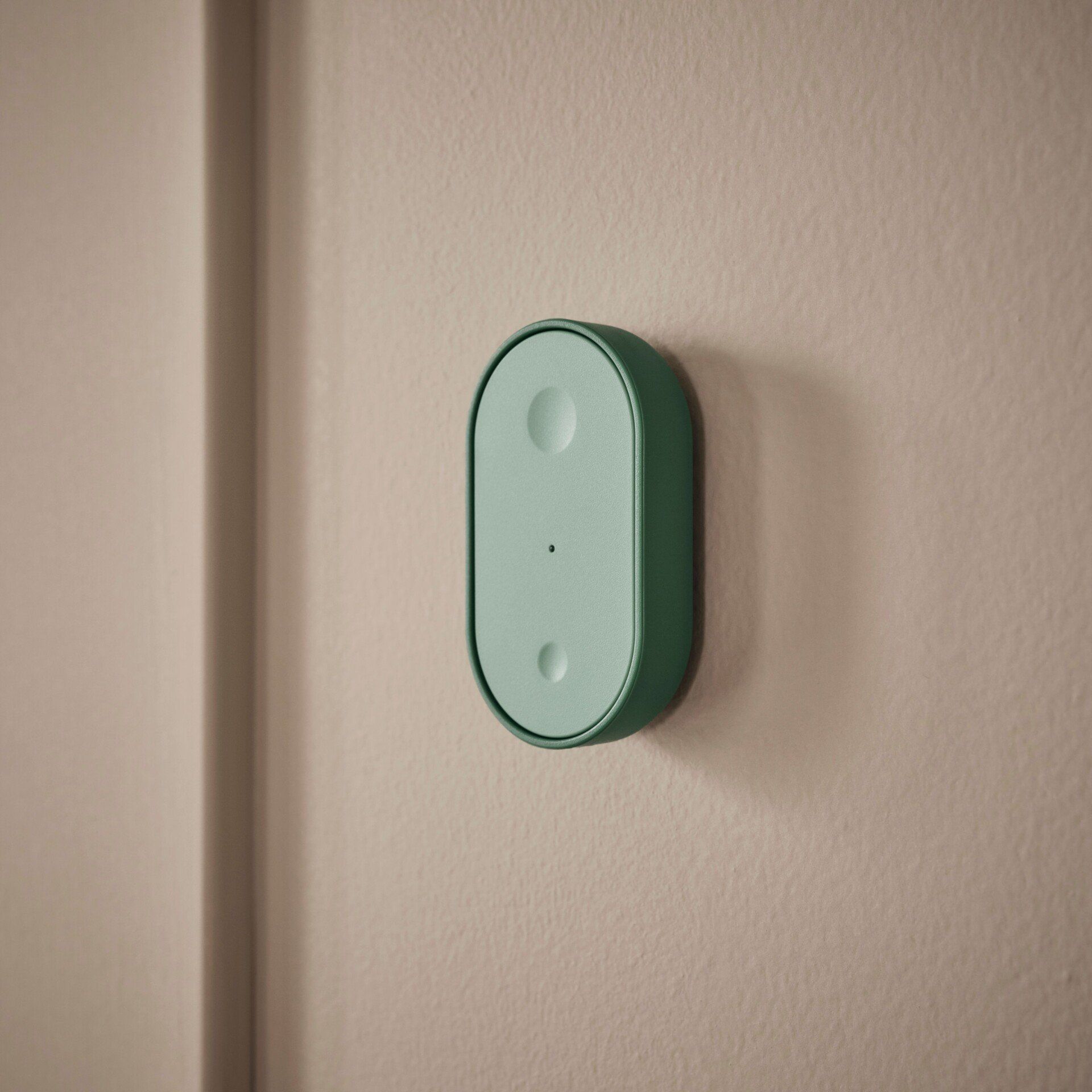
BILRESA Remote Control with Dual Button
A simple, two-button remote that lets you control smart lighting functions like power, brightness, colour, and scenes from anywhere nearby.
That is what makes IKEA’s latest filings notable. Rather than adding revised reports under the existing IDs, the company has registered the same four retail products under new FCC IDs, including the MYGGSPRAY motion sensor, MYGGBETT door and window sensor, BILRESA dual-button remote, and BILRESA scroll-wheel remote.
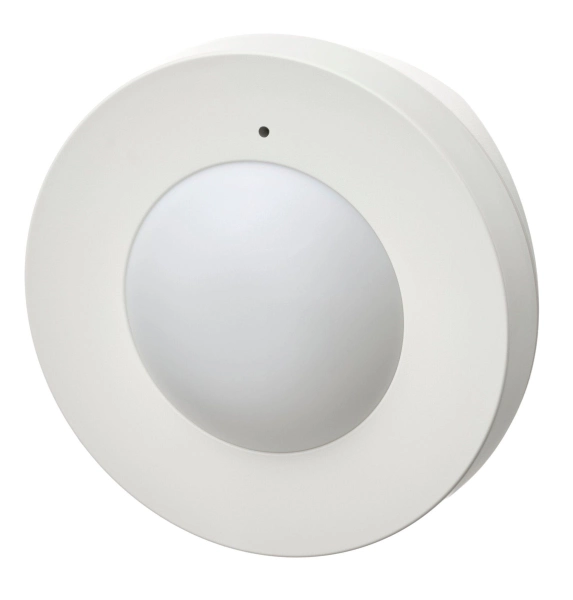
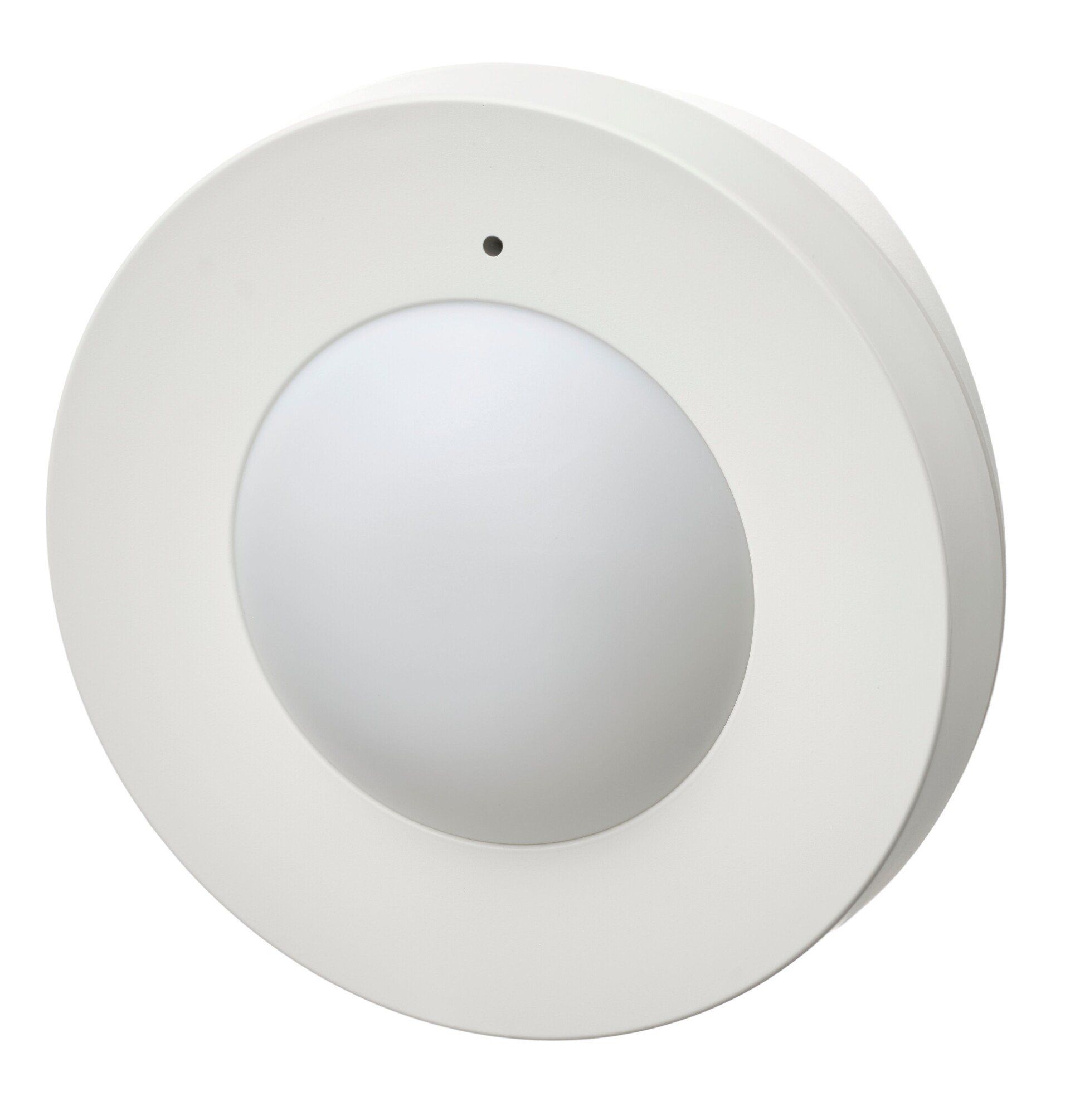
MYGGSPRAY Motion Sensor
A versatile motion sensor that automatically activates lighting indoors or outdoors when movement is detected.
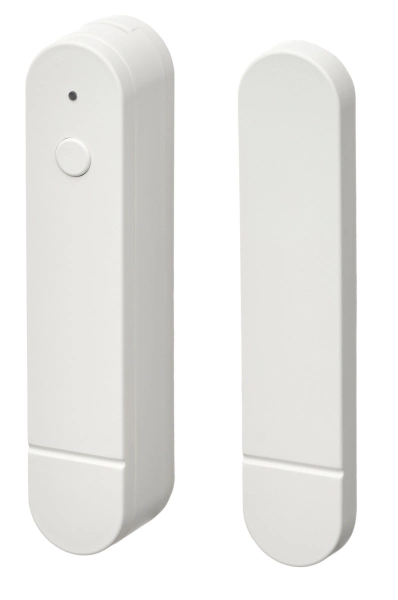
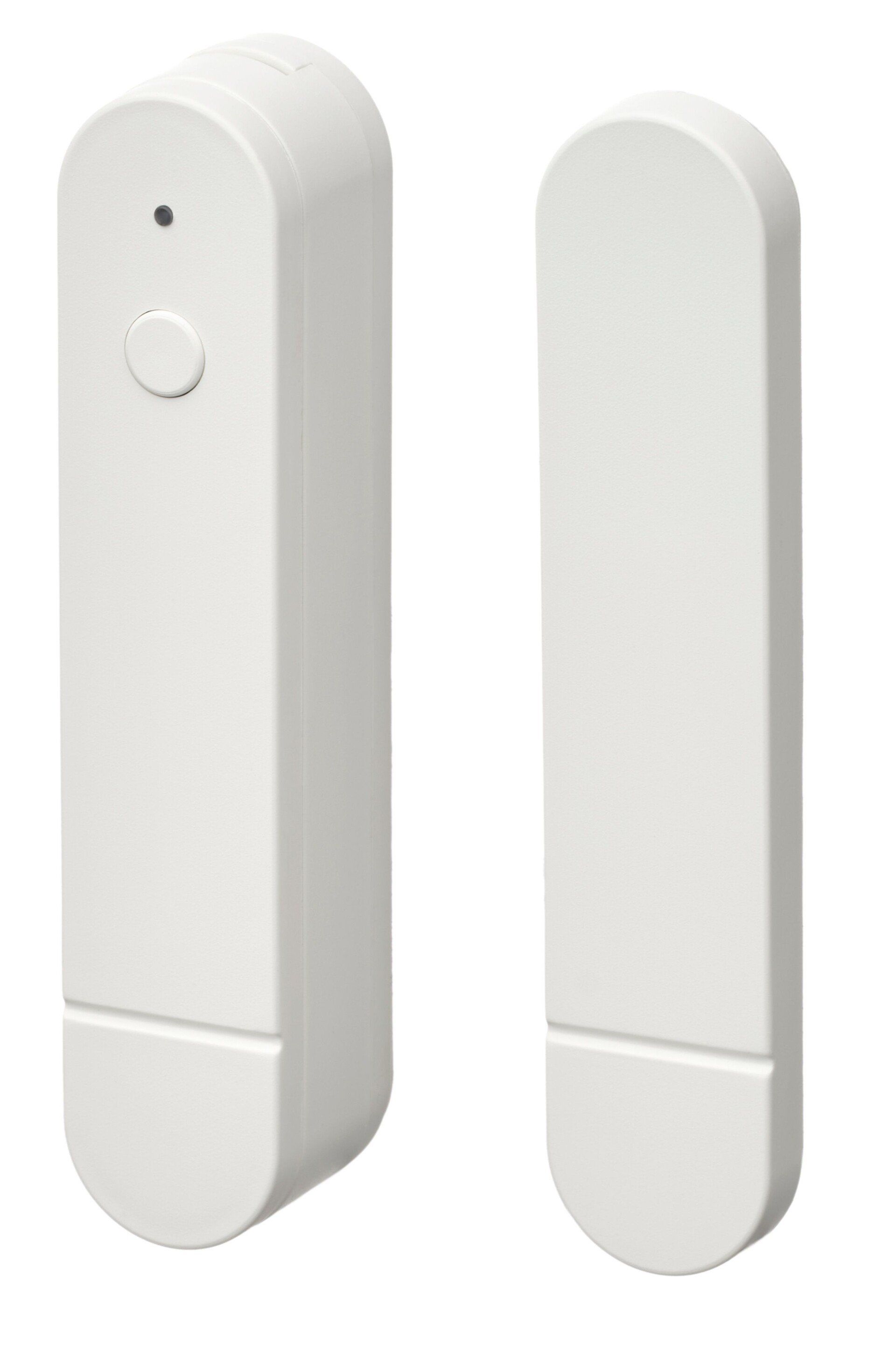
MYGGBETT Door/Window Sensor
A smart, discreet sensor that detects door or window movement and can trigger notifications or automate lighting.
Chipset matters
I regularly comment on chipsets in product reviews because, after testing hundreds of smart home devices, I have found that some solutions consistently outperform others in stability, connectivity, and power efficiency.
Products built around the same radio platform often show similar behavior and sometimes similar problems. Delayed responses, difficulty recovering after going offline, and abnormal battery drain can appear across different products using the same underlying chipset platforms.
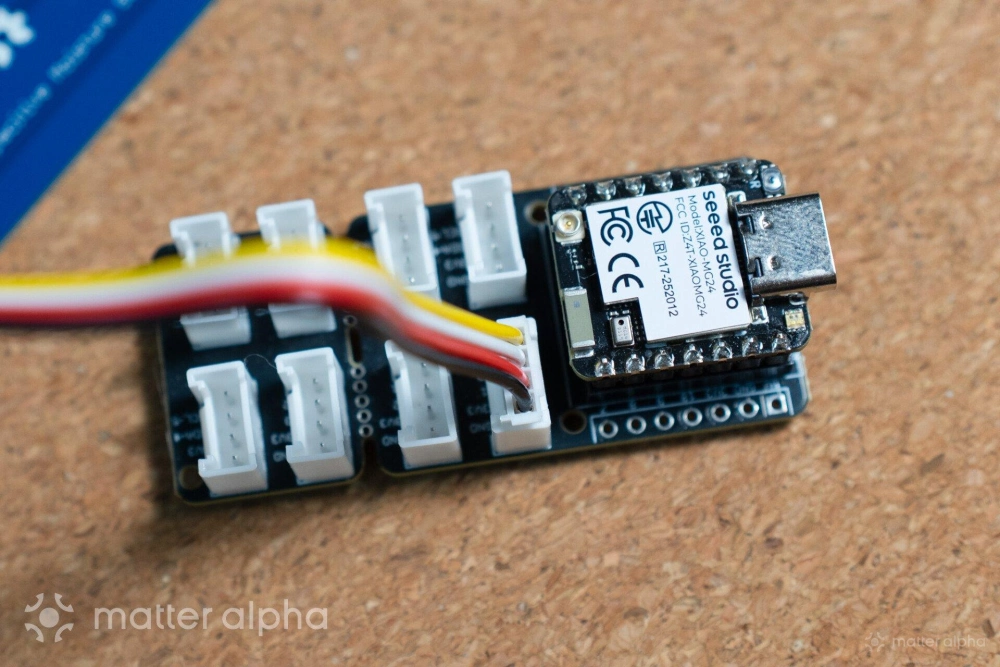
Chipsets also shape how quickly products receive Matter improvements. When a new Matter SDK is released, chip vendors first integrate it into their own SDKs. Device makers can then adopt that release, add their own changes, and distribute new firmware.
Firmware can resolve many problems, but not all of them. Issues involving the radio design, power management, memory, antenna layout, or silicon itself may require a physical hardware revision.
The current IKEA devices mentioned above have been linked to Qorvo’s QPG6200L, a low-power chipset supporting Matter over Thread, Zigbee, and Bluetooth LE. Teardowns have identified the chip inside products including MYGGSPRAY and BILRESA.
What could happen?
The best outcome, as for maintenance, would be a move to a better revision of the existing Qorvo platform or upgraded models.
That could allow IKEA to maintain both hardware versions through a similar SDK, firmware codebase, and testing process. Older and newer batches could then continue receiving updates at roughly the same pace while the revised hardware improves connectivity or battery performance.
A move to a completely different supplier, such as Silicon Labs or Telink found in other IKEA Matter devices, would create more work. IKEA would need to maintain and validate firmware across separate chipset SDKs and hardware platforms.
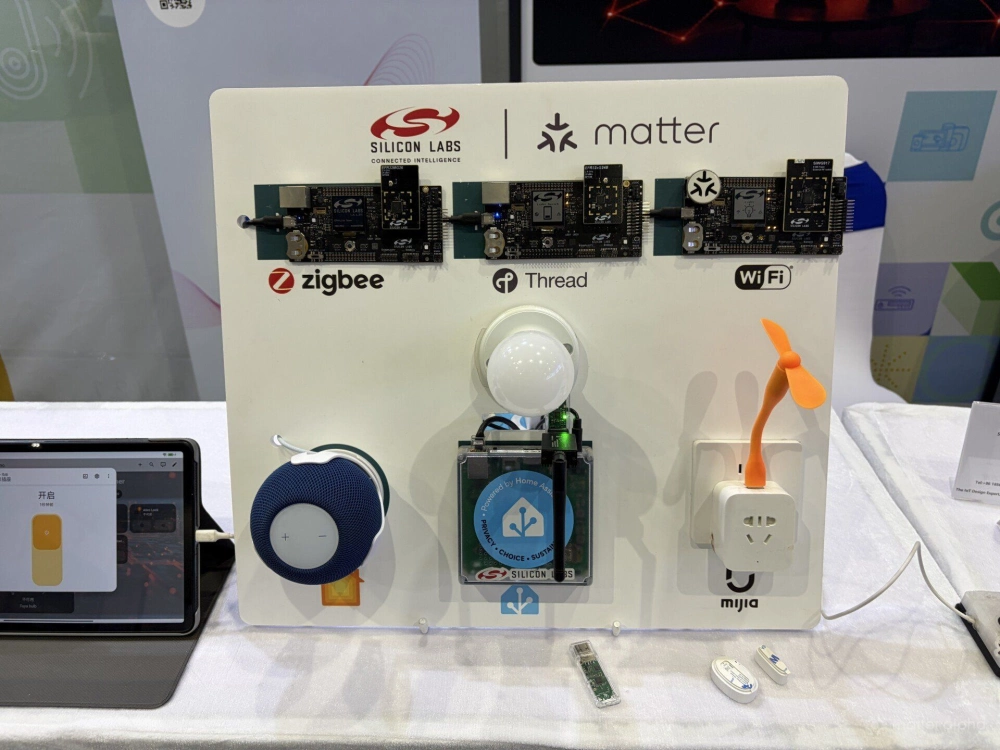
That would not mean the original versions lose support. However, maintaining two implementations increases development and testing work, which could eventually lead to different firmware schedules or slower updates for one revision.
Other factors may also be behind the new filings. Semiconductor supply has tightened again recently, while prices for memory and other core components have increased. For a company operating at IKEA’s scale – tens of millions in Matter – and strict price targets, even a small rise in chipset cost can justify qualifying another supplier or redesigning the board around a cheaper solution.
The revisions may therefore be aimed not only at improving stability, but also at securing a second source of components and keeping production costs under control.
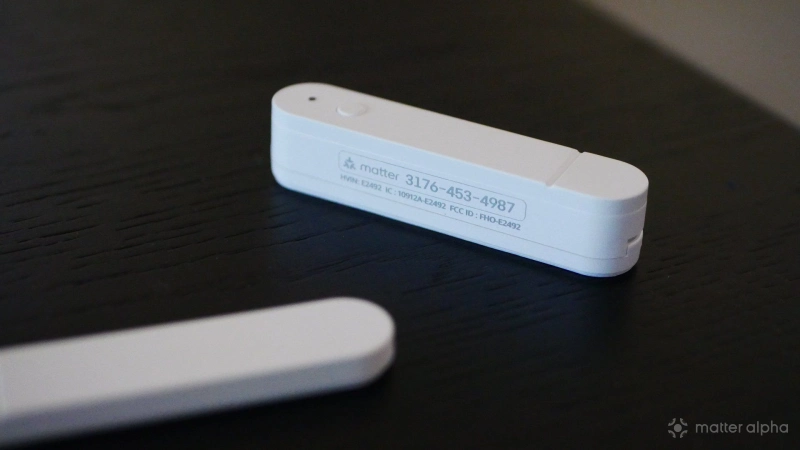
The internal photos and parts lists remain confidential, so the exact changes cannot yet be confirmed. For now, you can distinguish the revisions by checking the FCC ID printed on the product label.
Update
IKEA stated on September 1, 2026:
“The new FCC filings reflect the continuous work we do to broaden and strengthen our supplier base, to keep our supply chain resilient. This isn’t a stability driven change or a response to performance. Both the existing and updated hardware versions remain fully supported. Firmware updates will continue for all products already in people’s homes, with no planned end date for the earlier models.”
*Note: the article was updated with comments from IKEA US.
(Source: FCC, IKEA, TÜV Rheinland, Qorvo; Image: FCC, Matter Alpha/Ward Zhou, Bertel King)