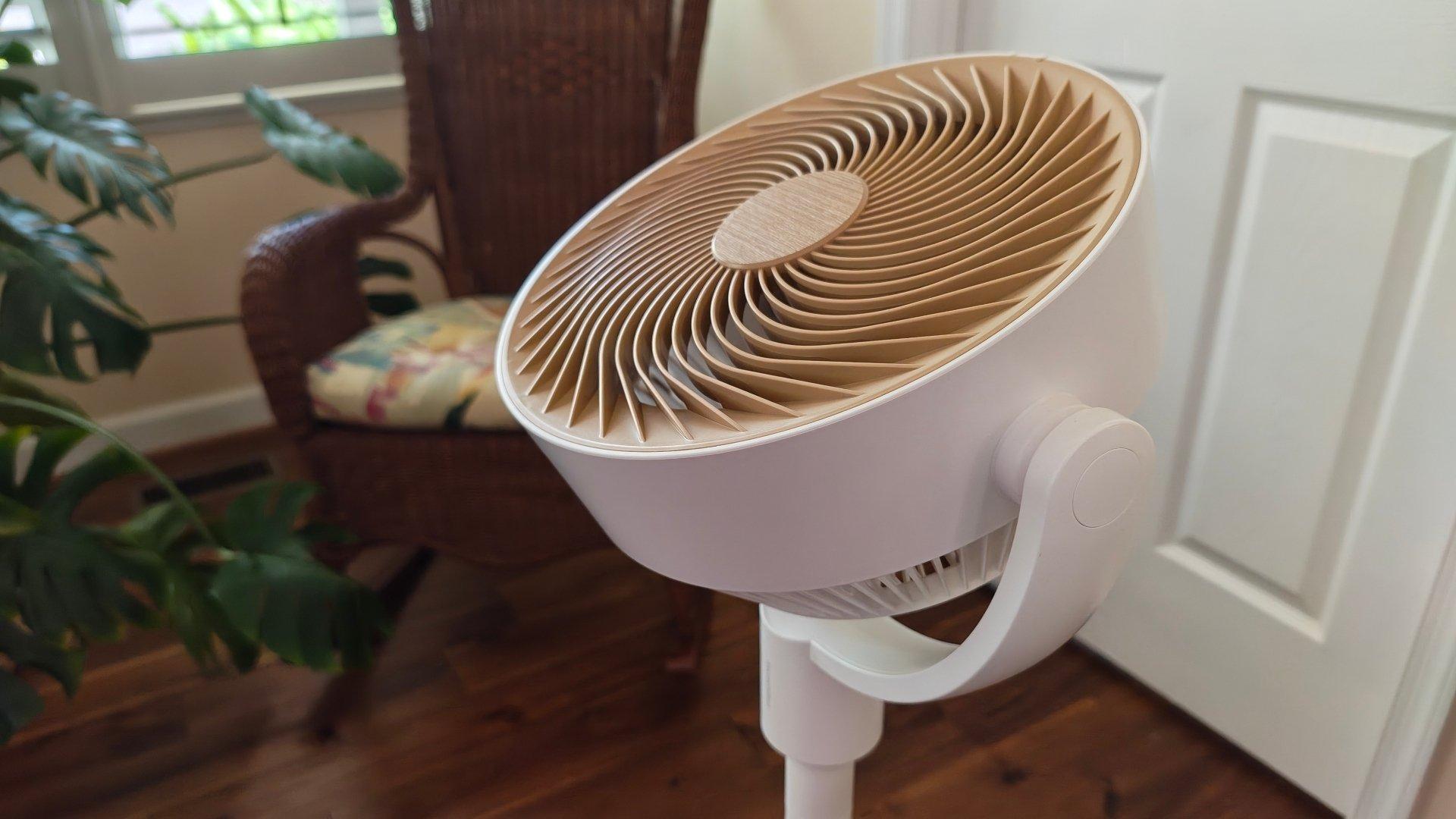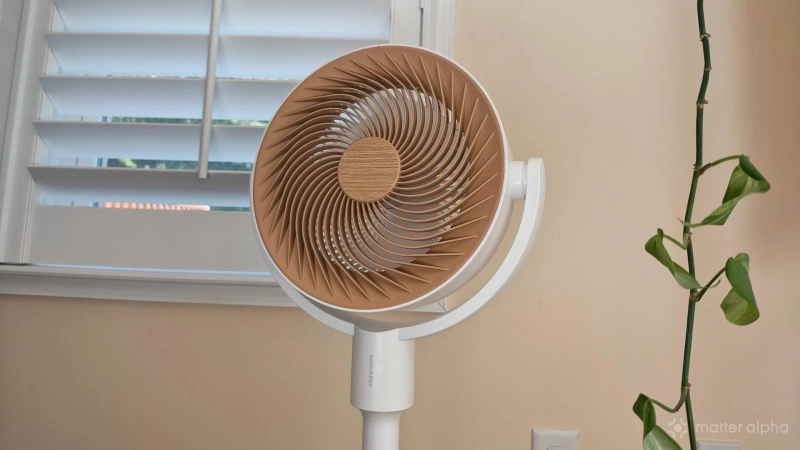
I've rarely thought of fans as particularly exciting, but a Matter-compatible smart fan wound up as one of my favorite tech purchases of the past year. It turns out that while smartphones were getting thinner and cars were becoming electric, fans were also getting some notable and exciting improvements along the way.
This smart home fan is battery-powered
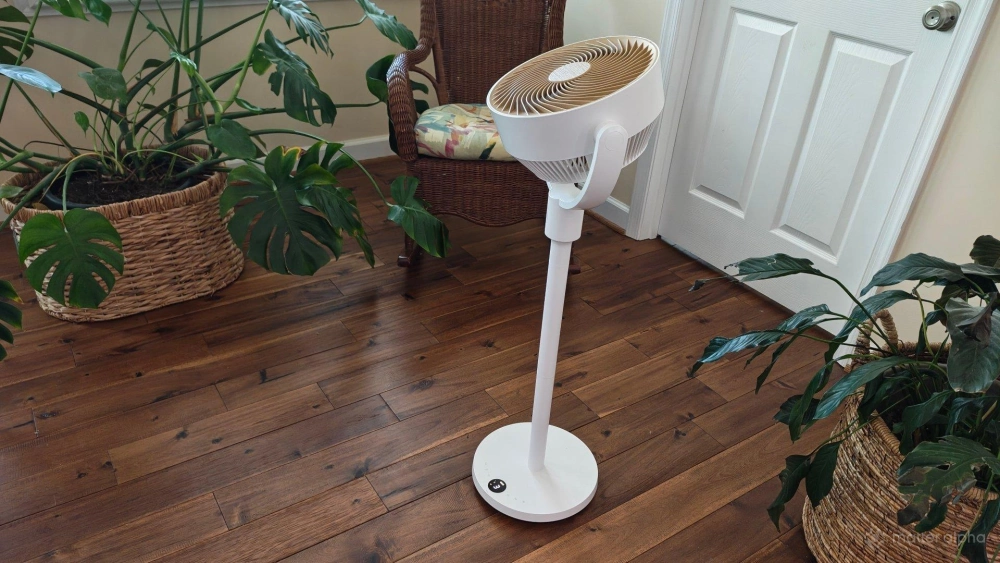
I recently reviewed the SwitchBot Floor Circulator Fan, and I love it. I think it's a gorgeous product, but there's also a practical benefit I came to appreciate even before I connected the device to the SwitchBot app or my Homey Pro.
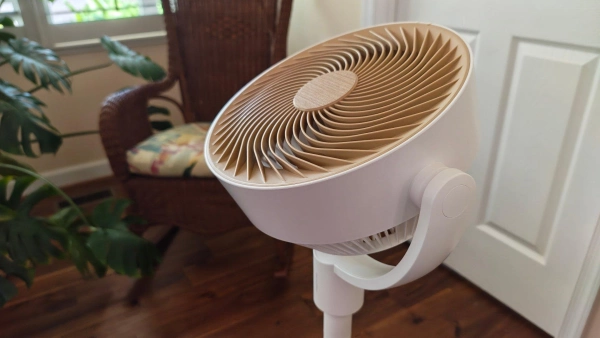
SwitchBot Circulator Fan
Like most modern tech, this circulator fan is battery powered. That makes it portable, and that's a big deal. That makes this a fan I can place anywhere in the house. I can slide it next to the sofa in our open concept living room without dragging a power cord for others to trip over. If a family member feels cool and asks me to turn off the ceiling fan, I like the ease with which I can now grab a floor fan and position it next to me in a way that keeps us both happy.
The fan isn't confined to the indoors either. If I want to sit outside on a hot day, I can place a fan next to me on the porch. I could even bring it outside on to a blanket while we have a picnic out in the yard. That said, it doesn't have an IP rating for outdoor use, so make sure to bring it inside if there's any chance of rain.
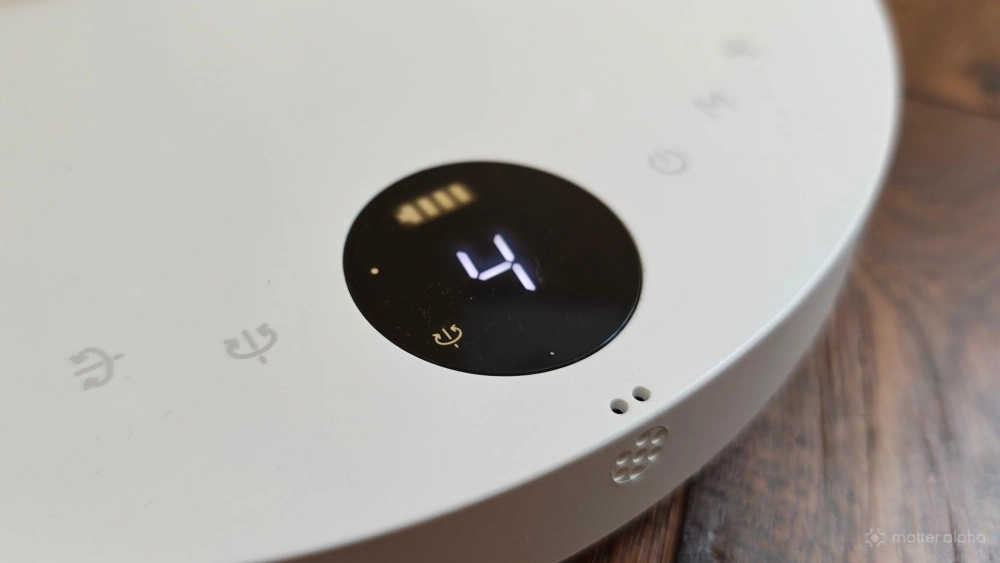
While battery life varies per unit, mine has shown the ability to last overnight on low fan speeds and the rotating head turned off. I haven't been concerned about battery life for day-to-day use since I leave the power cord plugged in and keep the fan near the wall for most of the day. These devices may be portable, but they also work as regular fans.
These everyday fans have become a part of my emergency survival kit
This battery power also turns the fan into a useful appliance to have around during emergencies. Fans don't take up that much power, but many portable power stations have idle drain higher than the wattage pulled by the fan itself. A gas generator will run for a fixed number of hours regardless of whether you're just powering a fan or running your fridge. By being battery-powered, I know that not only can I keep these fans running during an outage, but I only need to use a backup power source to recharge it for an hour or so rather than supply continuous power.
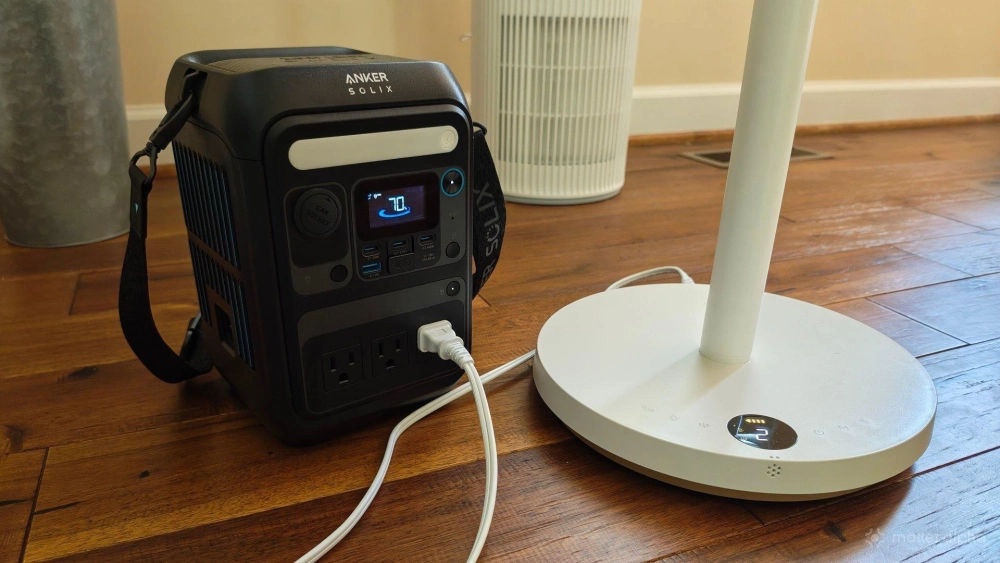
This is part of the beauty of a modern smart home. Relying more heavily on battery-powered devices reduces the number of things that become unavailable when the power goes out. This also reduces the strain on backup sources of power. Just as phones, tablets, and portable gaming handhelds have made it possible to continue watching video and playing games even when the TV is inaccessible, a battery-powered fan has a similar effect on cooling. Add in battery-powered smart lights, and you can start weathering short outages in relative comfort even without backup power.
I didn't know how much I would enjoy connecting my fan to my smart home
Like many smart home products, I underestimated the impact connecting my smart fan to a hub would have. Being able to adjust fan speed and direction from my phone saves me from having to hunt for the included remote or walk over to the fan, but that's hardly the best thing about buying a smart fan.
My fan is now part of several automations. I've placed presence sensors all throughout the house, and now when I walk into a room that contains fans, they automatically turn on. When I walk into my living room, the SwitchBot mmWave presence sensor notices I'm there. This then tells my Tapo S505 smart switch to turn on my ceiling fan. The sensors also triggers my circulator floor fan. When I leave the room, and if not one re-enters in the next several minutes, both of these fans turn off. This makes sure there is air flow in whichever room someone is in but that fans aren’t left spinning for his when no one is around.
This is only one of the imaginable smart home integrations available. If you live in an area prone to wildfires or other sources of air pollution, you can have a climate sensor automatically trigger a fan whenever it notes that there is too much particulate matter in the air. This can work in conjunction with a smart air purifier to make your air more breathable. Alternatively, you can place a contact sensor on a window and have a fan automatically circulate any outdoor air you welcome into the house.
You can add Matter capability to an existing fan
As nice as it is to have a fan with wireless connectivity and smart features baked in, you can add some of this functionality to a fan you already have. All you need is a smart plug.
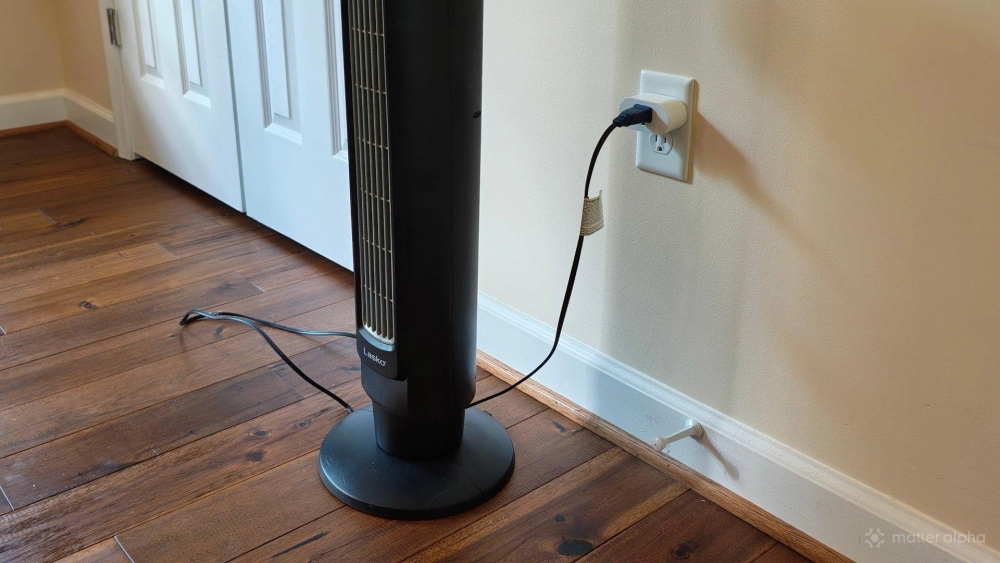
With a smart plug, you can trigger your fan on and off remotely using any smart home platform. You won't be able to adjust fan speed or toggle your fan rotation settings, but this may not matter all that much if you tend to leave your fan on one setting anyway.
While smart plug functionality is rather basic and straightforward, there's still some thought to give to which kind you pick up. A basic smart plug like one from TP-Link Tapo comes with Matter support and will allow you to add your fan to your smart home hub. However, a model like the IKEA GRILLPLATS uses Matter-over-Thread, so it will not only offer you the ability to toggle on and off your fan, but it will also extend and strengthen your Thread mesh network.
Smart pedestal and tabletop fans are relatively affordable
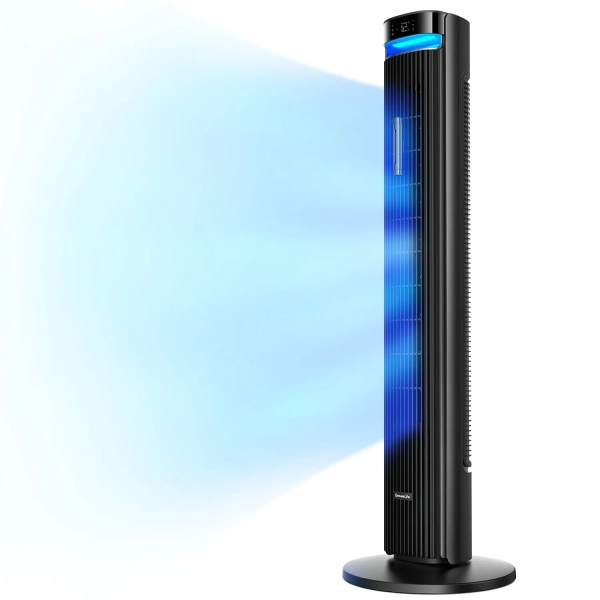
When I think of smart fans, my mind initially went to ceiling fans. Those are built-in fixtures of a home, and they can get quite costly. Early Matter-compatible options like those from Big Ass Fans were over $2,000, though you can now get a Govee Bladeless Ceiling Fan for under $200. By contrast, you can get a stand-alone smart fan for under a hundred. Depending on your room size, this may be all you need.
My SwitchBot fan isn't the only option, others include the DREO TurboPoly Fan 765S and the GoveeLife 42" Tower Fan.