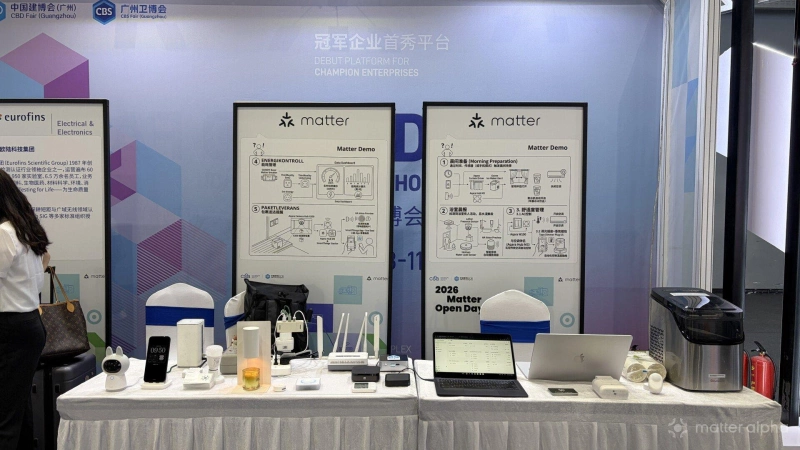
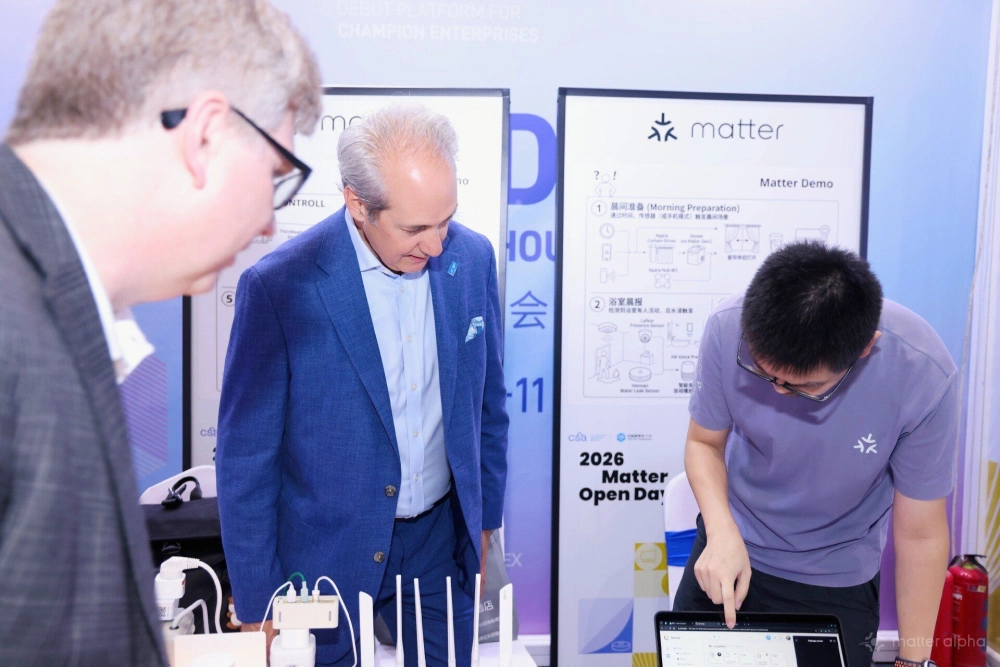
Matter Open Day just wrapped up last week, and I received an unexpected invitation from CSA Member Group China (CMGC) to build and showcase a Matter demo at the event.
It was a challenge, but also a rare opportunity. Most Matter demos at industry events focus on basic device control or development boards. While those demos are useful for showing that the Matter works, they often do not represent how people actually use a smart home every day.
So I wanted to build something closer to a real home setup, where devices from different brands and ecosystems work together through meaningful automations instead of simply responding to button presses.
Here is how I planned and built the demo, and what I learned from putting everything together.
Start with daily routines
I was building this demo alone, so the first challenge was controlling the scope. Five scenes plus energy management and ecosystem demonstrations were already close to the limit within one week of preparation.
Instead of starting with a list of products, I started by thinking about moments that happen naturally in a home. The goal was to show how Matter devices could fit into existing routines rather than forcing a reason to use them.
The first scene came from my own morning routine.
I have been using Home Assistant with my phone’s Do Not Disturb mode for some time, so I expanded that idea into a full automation. When the phone switches into morning mode, the system can open the curtain, start the Govee Ice Maker for cold coffee, and prepare the room for the day.
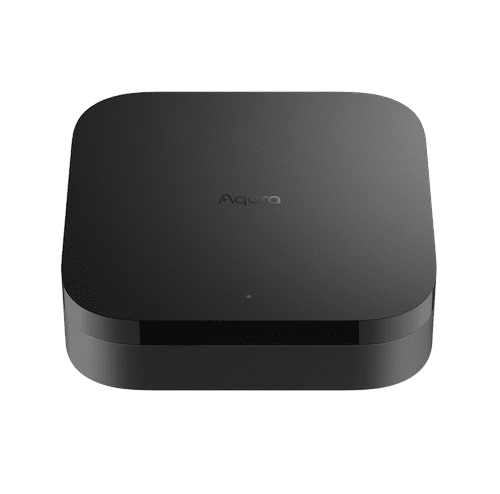
Aqara Hub M3
The Aqara Hub M3 is a Matter-compatible gateway that connects and manages up to 128 smart devices, facilitating local device automation without relying on Wi-Fi.
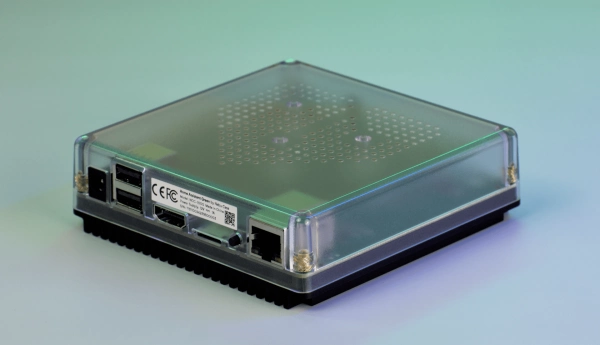
Home Assistant Green
A compact, fanless Home Assistant hub with quad-core processing, 4 GB RAM, 32 GB storage, local data control and Thread USB expandability.
Considering the summer temperature (30C in the morning) in my region, the ice maker also became one of the most practical devices in the entire demo instead of just another connected appliance.
I applied the same idea to the bathroom scene. Rather than showing a sensor reporting data, I wanted to demonstrate what happens when multiple devices work together.
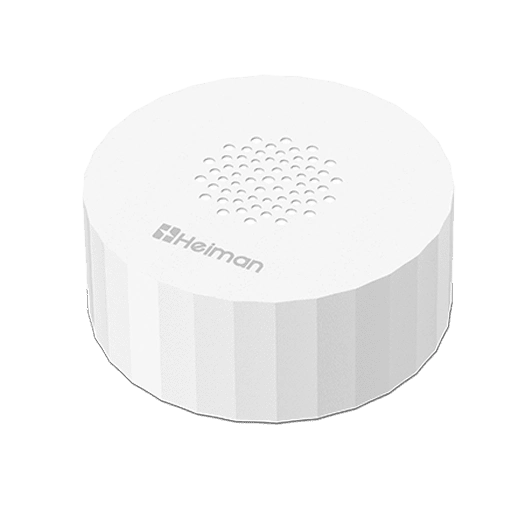
Heiman Smart Water Leakage Detector L1-M
A tiny, Matter-over-Thread water leakage sensor.
By combining a Lafaer LWR02 presence sensor and a Heiman water leak sensor, Home Assistant could detect shower activity and trigger Home Assistant Voice Preview Edition to play a morning briefing.
The important part was not the individual sensor. It was showing how simple devices could become more useful when combined into a complete experience.
Showing the Matter features people rarely see
After building basic daily routines, I wanted to go further and demonstrate some Matter features that are harder to notice in normal smart home usage.
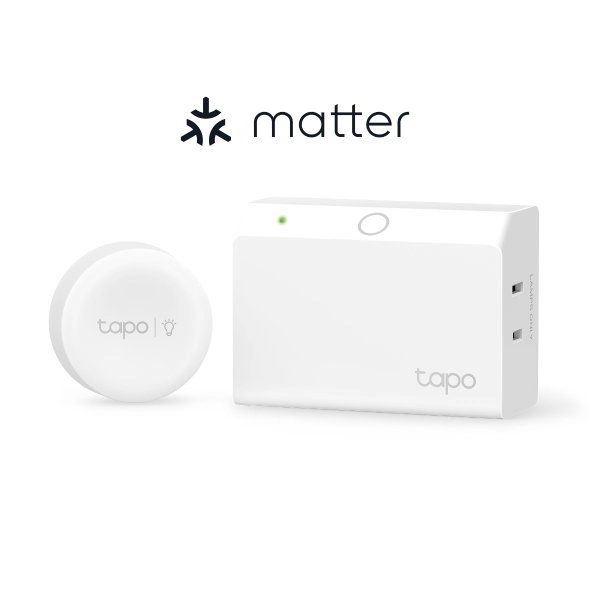
TP-Link Tapo Smart Wi-Fi Lamp Dimmer Kit P135
A dimmer plug was a good example. Instead of controlling a traditional lamp, I used it with a dumb scented candle warmer. Through Homey automation, the candle warmer could run at a suitable level to create a comfortable atmosphere without overwhelming the space.
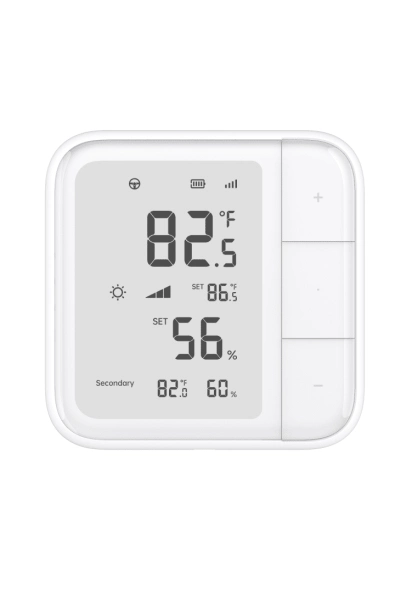
Aqara Climate Sensor W100
Also available at
Another interesting scene focused on direct device control. I demonstrated the Aqara Thermostat Controller W100 working with an IR-controlled air conditioner exposed through the Aqara Hub M3.
It is a feature that Aqara does not heavily promote, but it shows a different possibility of Matter. Instead of relying only on cloud-based or hub-centered automation, devices can communicate more directly through local connections.
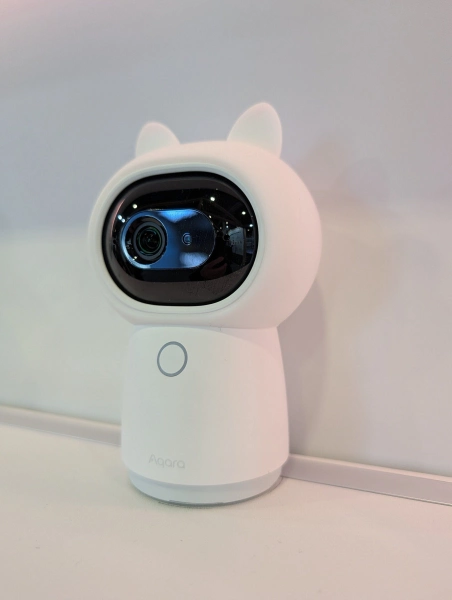
Aqara Camera G350
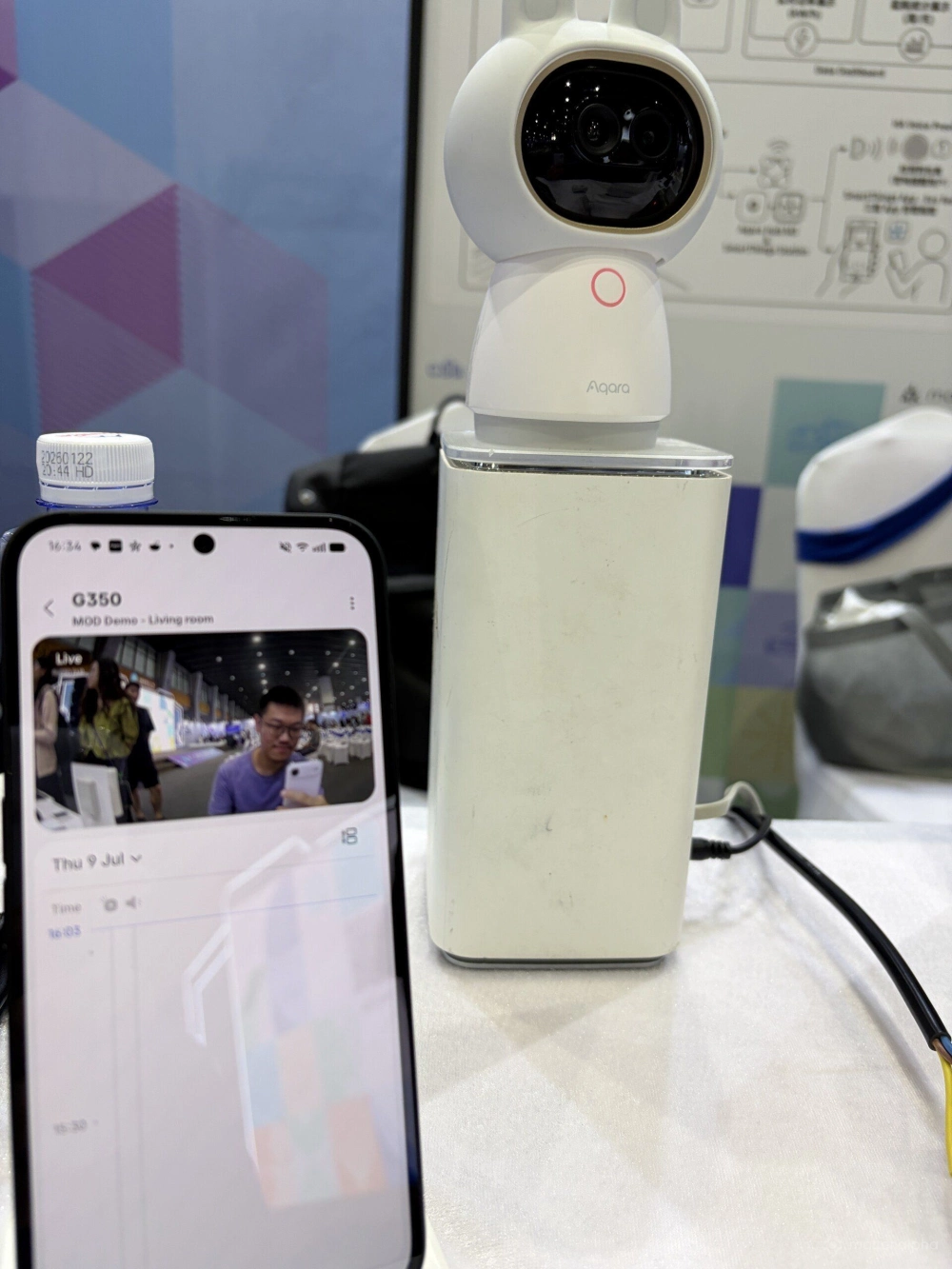
I also prepared camera and energy management demonstrations using Home Assistant and SmartThings. The setup included the Aqara G350 Camera Hub, Eve Energy, ThirdReality Smart Plugs M1, and SONOFF smart breakers.
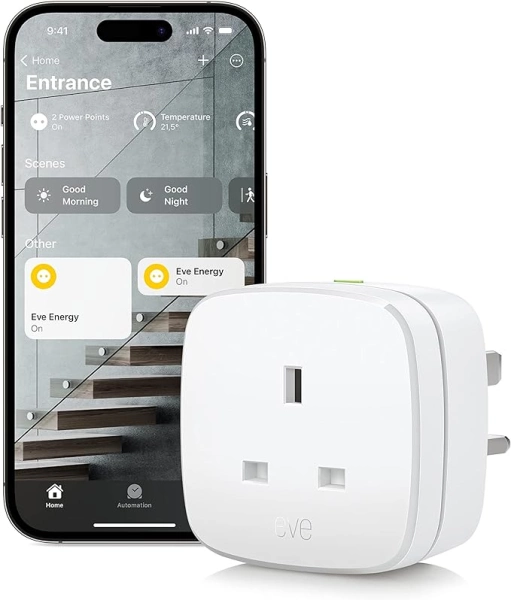
Eve Energy (U.K.)
The Eve Energy (U.K.) is a smart plug that supports Matter for enhanced device compatibility and utilizes Thread technology for improved energy efficiency and connectivity.

This brand helps to support our site to remain ad-free.
Read more about our ethics policySmart Plug M1
A Matter-certified smart plugs with energy monitoring, cross-platform compatibility, compact design, and customizable safety features.
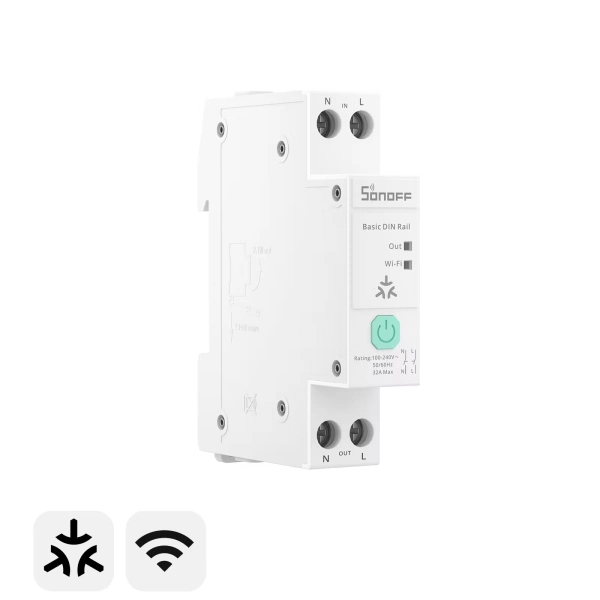
Basic DIN Rail
A DIN rail-mounted Matter smart switch that combines high-current circuit control, energy monitoring, and configurable protection features for managing and tracking power usage across entire electrical circuits.
These scenes were designed to show areas where Matter could become more valuable as more advanced device types enter the ecosystem.
Beyond Apple and Google: installer-friendly Matter platforms
Since many visitors at the event came from the industry, I chose Matter platforms that are more suitable for installer and advanced user scenarios, including Home Assistant, Homey, and eWeLink CUBE. Their flexibility for custom deployments, complex automations, and mixed-brand smart home projects makes them interesting options for more advanced setups.
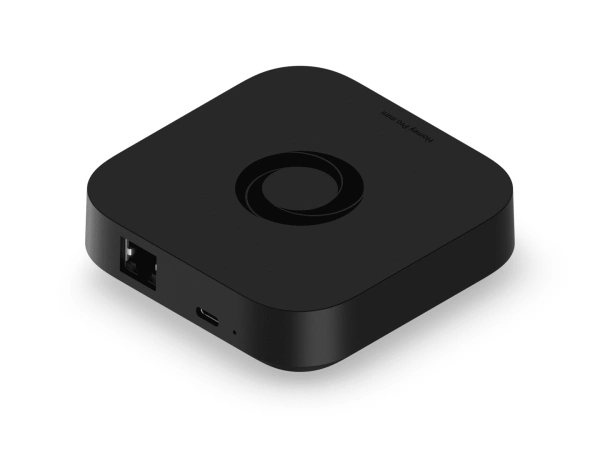
Homey Pro Mini
Smart home hub with Matter, Thread, Zigbee, and Ethernet built in, expandable via Homey Bridge, featuring Homey Flow automation, energy monitoring, alerts, voice integrations, and local or cloud backups with no subscription.
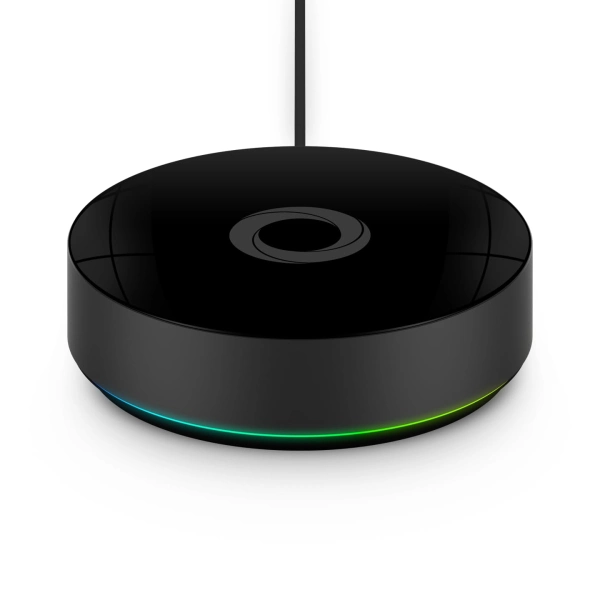
Homey Pro (2026)
Homey Pro (2026) is a local-first smart home hub that unifies seven wireless technologies into a single, powerful controller for advanced home automation.
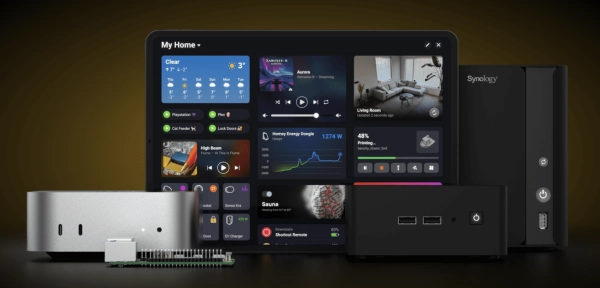
Homey Self- Hosted Server
Homey Self-Hosted Server is a software-based version of the Homey platform that runs on your own hardware, turning a Raspberry Pi, NAS, or server into a fully featured smart home controller.
This is also why these platforms are attractive beyond personal users. Installers can deploy them on their own hardware, customize the user experience, and adapt the system for different projects instead of relying only on fixed vendor ecosystems.
For the demo, I borrowed a mini PC from a local Home Assistant community member and installed Proxmox as the base system. Setting up the three platforms was much easier than expected. With one-line installation commands, I had everything running within around 15 minutes.
Another practical advantage was that all three platforms provide web-based interfaces. For an event demo, this meant I could use a Chromebook or tablet to switch between different dashboards instead of preparing dedicated hardware for every ecosystem.
Making the demo survive outside my home
Once the demo was ready, the next challenge was making sure everything could run reliably in an event environment.
The network infrastructure was built around a GL.iNet CPE, a 5G Wi-Fi 6 router. During testing, it handled more than 20 connected devices without becoming the bottleneck.
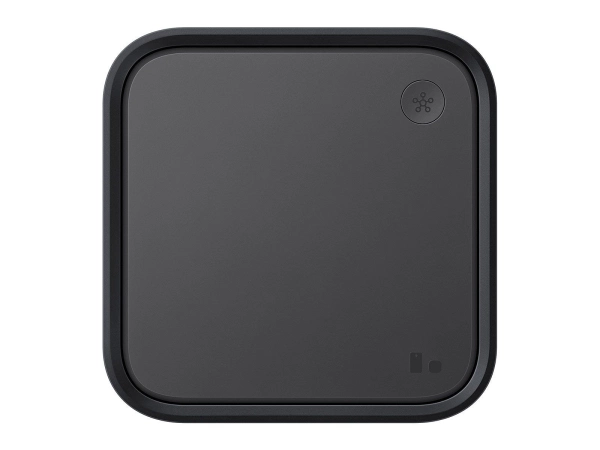
SmartThings Station
For Thread, I used the Aqara Hub M3, Aqara G350 Camera Hub, and SmartThings Station as Border Routers. They all operated within the same network created by Aqara.
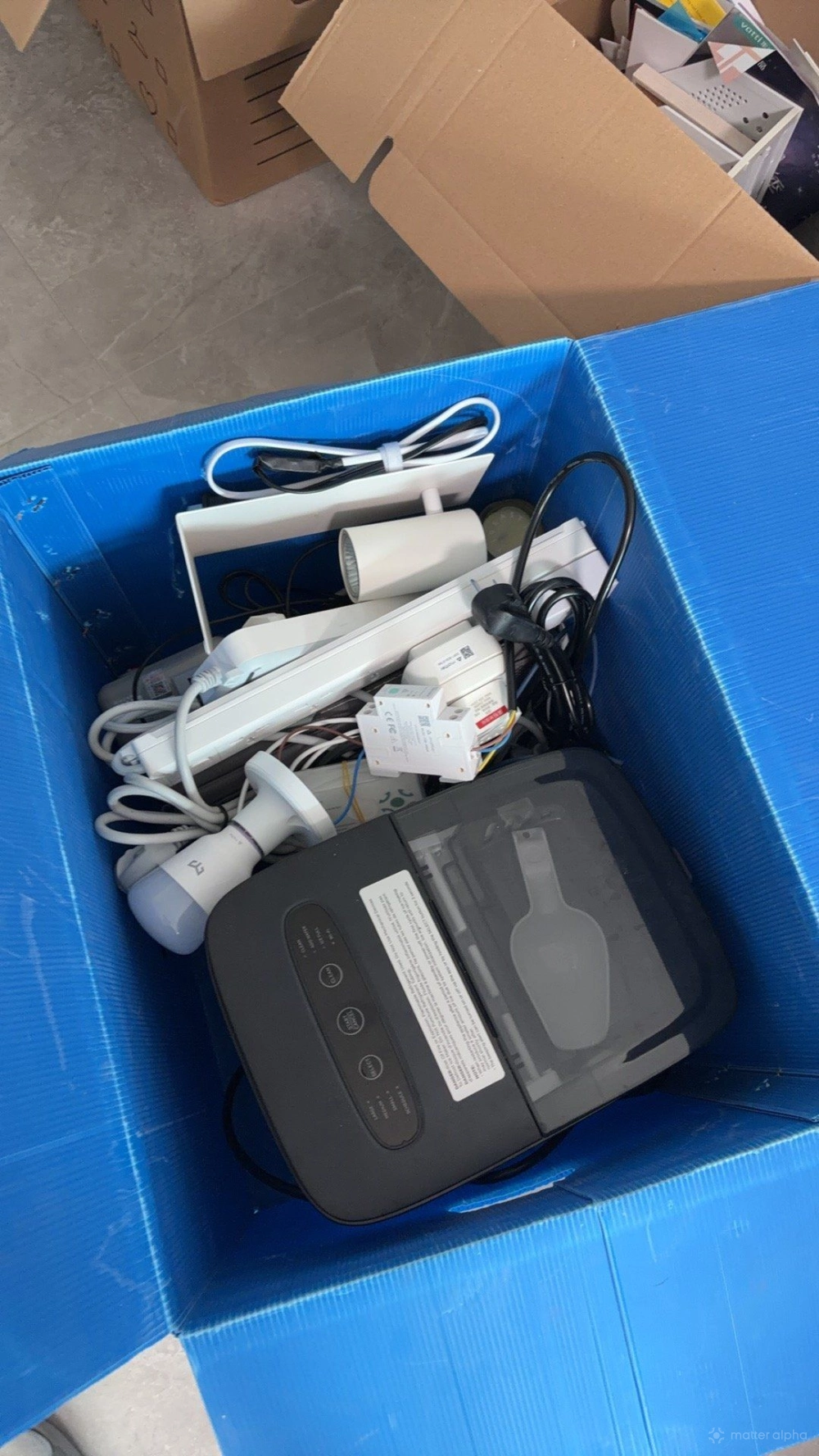
Commissioning was mostly smooth. I used an Android phone to add devices into Home Assistant first, then shared them with a second Matter fabric for other ecosystems.
Thread devices were particularly stable during preparation and the event. But Wi-Fi devices were less predictable, with some requiring multiple attempts during setup, which is still a common experience in real-world Matter setups.
What visitors cared about most
During the event, the demo attracted more attention than I expected.
Homey quickly caught visitors’ attention because of its polished interface and visual automation experience. The Govee Ice Maker was another unexpected highlight. Matter-enabled kitchen appliances are still rare, and providing cold drinks at the booth definitely helped.
Matter cameras were another popular topic. The Aqara G350 ran smoothly during the event, with live streaming demonstrated through SmartThings. Motion detection (bridged via Aqara hub) continued working throughout the day and helped monitor the booth whenever I was away. Several vendors also showed strong interest in Matter cameras and wanted to understand how the standard could improve one of the most difficult smart home categories.
Building this demo gave me a different perspective on Matter. The challenge is no longer only connecting devices. The harder part is creating experiences where products from different brands and ecosystems can work together naturally.
And device makers need to make cross-brand interoperability easier to discover, showing users and installers the value of choosing products beyond a single ecosystem rather than hiding that potential behind unnecessary vendor walls.
*Note: CSA China covered transportation expenses.
(Image: Matter Alpha/Ward Zhou, CSA China)