
As another year of Matter development concludes, several clear industrial trends have emerged that define the ecosystem’s growth. These shifts show a transition from early experimentation to a more mature and integrated market. The standard has officially moved past its initial growing pains and is now the primary foundation for modern connected living.
In 2025, the smart home industry is witnessing a significant shift in how users and manufacturers approach connectivity. The protocol has finally delivered on its promise of universal compatibility, allowing devices from major tech giants to work together without much technical barrier that once divided them. This year has been characterized by the arrival of specialized device categories and a move toward deeper, local intelligence that does not rely on the cloud.
As manufacturers and developers refine their Matter implementations, we are seeing the ecosystem expand into complex areas such as advanced energy management and home security. These market shifts have made the integration process more seamless and accessible for brands, leading to a flood of new products that prioritize reliability. The following trends represent the most important changes in the landscape over the past year.
More native and Thread devices
Matter firms are currently following two distinct technical paths to improve device performance. The first is the transition from using a bridge to adopting native support. While early adopters relied on bridges to bring existing hardware into the ecosystem, manufacturers are now building Matter support directly into the devices themselves. This removes the hub requirements and simplifies the setup process for the end user like Yeelight and SwitchBot.

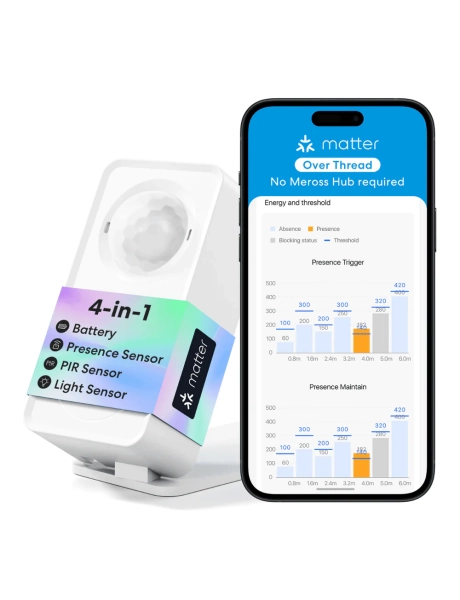
Meross Smart Presence Sensor MS605
A Thread-based, triple-sensor presence detector with flexible mounting, long battery life, and customizable multi-zone detection for precise whole-home automations.

The second path is the shift from Wi-Fi to Thread for battery-operated and low-power hardware. While Wi-Fi is still used for high-bandwidth devices like cameras, Thread has become the preferred choice for sensors and switches. This transition allows for a more stable mesh network and significantly better battery life. It is also a good sign that more vendors are releasing Matter sensors that are rare on the market compared with outlets and lights.
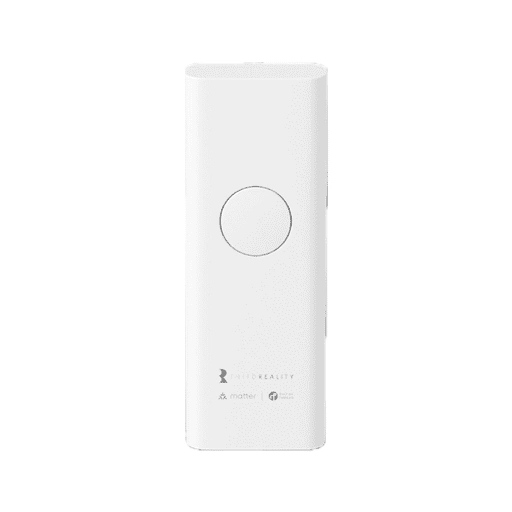
ThirdReality Smart Switch MT1
Multi-protocol support
A significant trend this year is the adoption of multi-protocol support by major industry players. Ikea and Philips Hue joined the trend to make dual protocol products for both Zigbee and Thread. This ensures that users who have invested in older hubs can still use new devices, while those moving toward a modern Matter setup are also supported.
By including both radios or providing firmware that handles both protocols, these brands are bridging the gap between legacy systems and the future smart home.
![Radiator Thermostat II [+M]](https://www.matteralpha.com/media/cache/resolve/product_carousel_grid/61u-usn3scl-ac-sl1500.jpg)
Radiator Thermostat II [+M]
A smart radiator thermostat that offers personalized room temperature control, energy efficiency, and seamless integration with Bosch Smart Home and Matter systems, all while being easy to install and use.
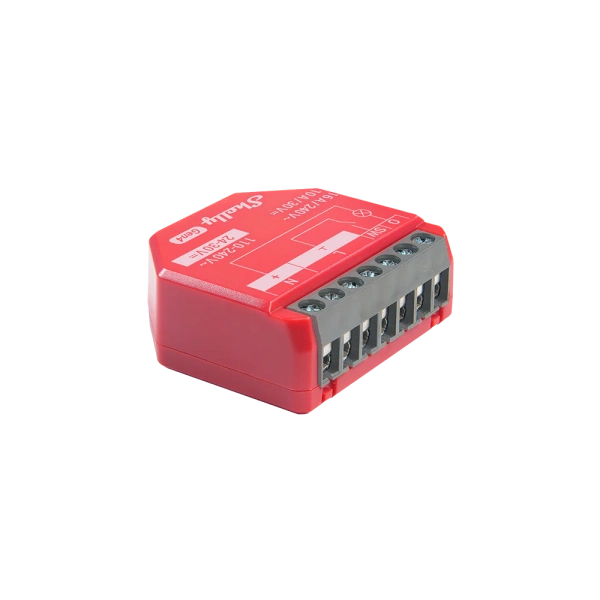
Shelly 1 Gen4
A multiprotocol smart switch with dry contact capability, ideal for retrofitting and smart automation with advanced control options.
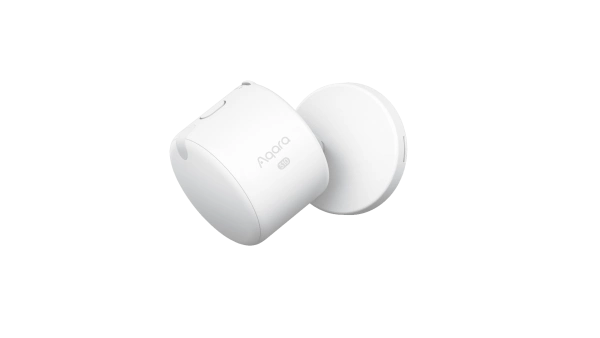
Presence Multi-Sensor FP310
A 4-in-1 smart sensor with presence and environmental tracking, designed for flexible automation and long battery life.
Shelly has pushed this trend even further with its “Gen4” series. These devices are designed with true multi-protocol connectivity, supporting Wi-Fi, Bluetooth, Zigbee, and Matter all within the same hardware. This approach prevents the market from fracturing and gives consumers more confidence when buying new hardware, as they are no longer locked into a single communication standard.
For vendors, with Matter and multi-protocol hardware, a single SKU can now serve all customers regardless of their preferred platform and connectivities.
Community-driven innovation
The development of Matter is being heavily influenced by the open home community. Projects such as Matter.js along with platforms like Arduino and Tasmota have made it easier for individual developers and small firms to build compatible hardware. Chipset vendors such as Silicon Labs and Espressif are actively supporting these efforts by providing the necessary resources to the community.
Innovative projects have grown quickly because of this open-source foundation. Projects like Home Assistant and “Matterbridge” receive frequent updates that add new features faster than many large commercial companies. This fast development cycle allows for specialized devices and creative solutions that tech giants may not prioritize.
More vendors are making Matter controllers
With the flexibility of the multi-admin feature, more device makers are becoming ambitious enough to build their own Matter controllers. This feature allows a single device to be controlled by multiple platforms at the same time.
Brands like Aqara and Ikea are moving quickly to establish their own hubs as an alternative Matter hub of the home. This allows them to offer a unique user interface and advanced automation features while taking over third-party Matter devices.
Aqara has expanded its support to a wide range of device types and has integrated local AI to handle tasks. The release of the “Voice Mate H1” further strengthens their position as a complete ecosystem provider.
Extension between custom users and industrial clients
An interesting trend has emerged where the lines between consumer and industrial automation are blurring. Traditional industrial device makers like Wago are now planning on Matter-certified products to enter the consumer market directly.
At the same time, Matter is being applied to professional building systems through bridges and gateways that connect existing industrial standards like “KNX” and “DALI” to the Matter ecosystem. This allows professional-grade lighting and building controls to be managed through consumer smart home apps.
Brands like Aqara are also moving in the opposite direction by offering their “Matter and Zigbee” solutions for business environments and offices. This two-way growth is expanding the reach of the standard into larger buildings and professional projects.
(Image Source: Matter Alpha/ Ward Zhou)