If you’re like me, you probably started off your smart home journey using a commercial platform like Amazon Alexa, Google Home, or Samsung SmartThings. What do all three have in common? They are all cloud-based platforms. There are other lesser-known options that you can purchase and operate directly in your home, but is it worth it?
With a local hub, control stays within your home
The Matter smart home protocol allows the devices in your home to communicate with one another, all using the same language. Devices connect to your smart home hub using either your existing Wi-Fi network or a mesh network like Thread. One of the advantages of Matter is that all the communication can take place over your local network, assuming you purchase a smart home hub that actually keeps your activity confined to your home.
To be clear, cloud-based platforms aren't hub-less. Alexa, Google Home, and SmartThings all require a physical device placed in your home. Alexa and Google Home are both baked into smart speakers, whereas SmartThings is increasingly found in Samsung TVs and fridges. Yet even though there is a physical hub in your home, these devices run cloud-based software, kind of like a Chromebook.
I personally started with SmartThings, which uploads every device I add to an online account, processes my commands online, and then communicates instructions back to my home. Technically, this means control over my smart home is based on their servers, not in my home.
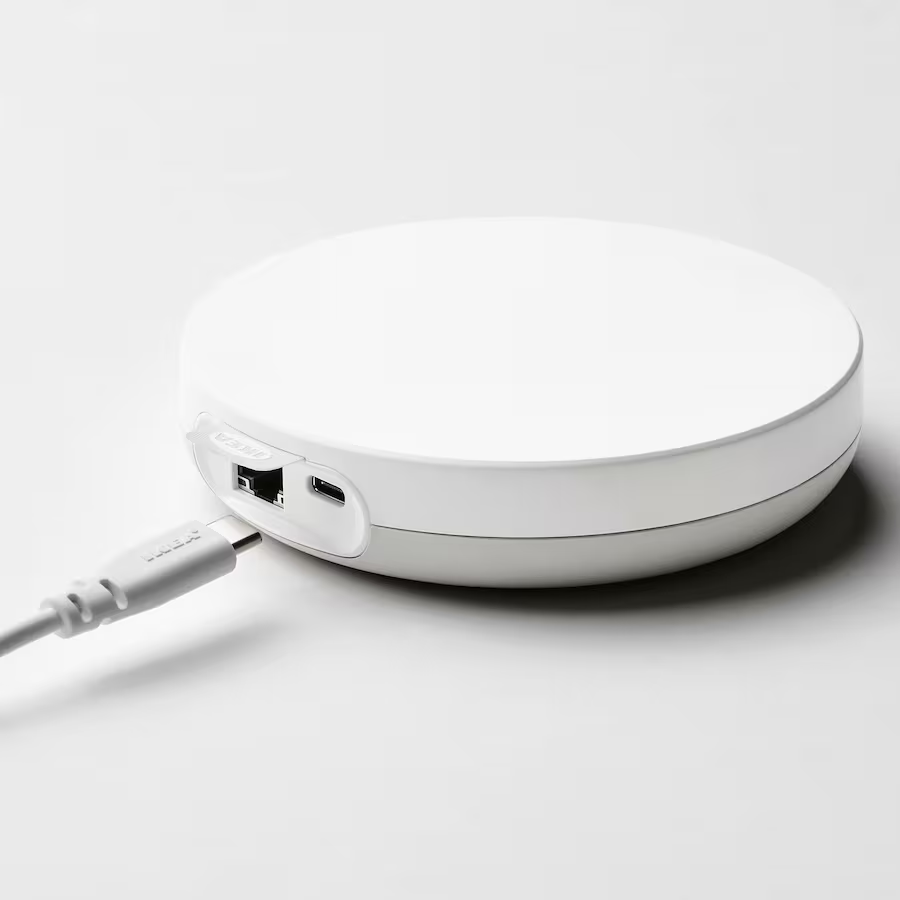
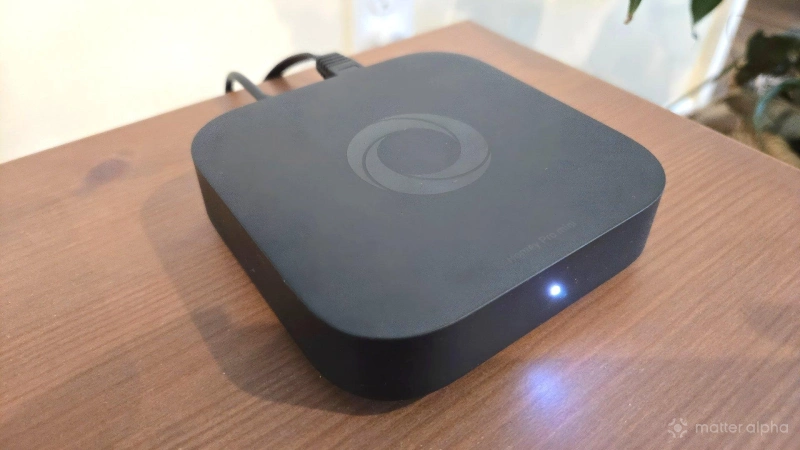
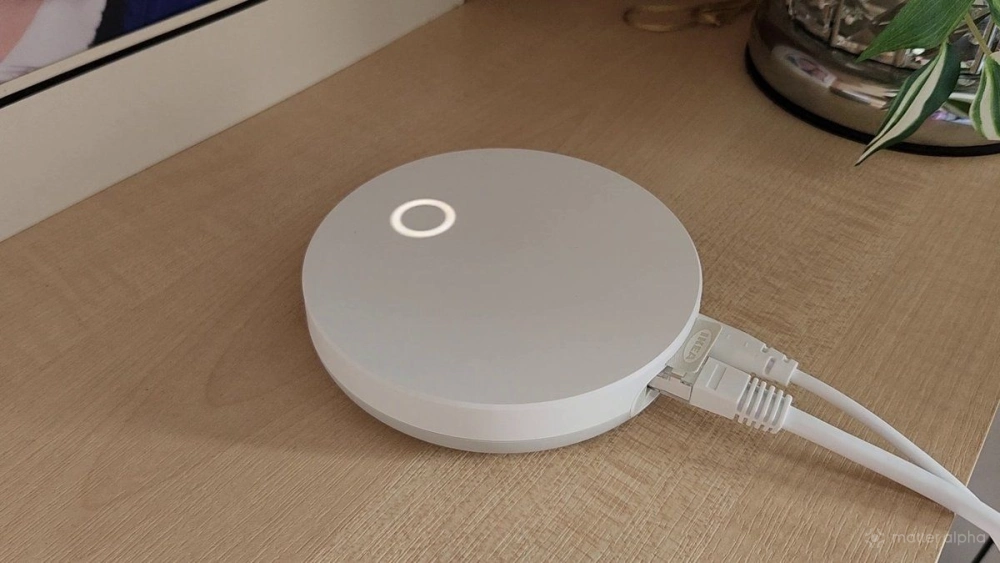
Local hubs keep the control inside the confines of your home. Apple Home, despite coming from a major tech company, is designed to operate locally. The same is true of the IKEA Dirigera hub.
These hubs come with greater privacy
Using cloud-based platforms gives companies not only insight into the products in my home, but insight over how and when I use them. Local hubs come with a greater degree of privacy. They don’t involve pinging a server every time you want to remotely turn your lights on or off. That said, privacy isn’t guaranteed.
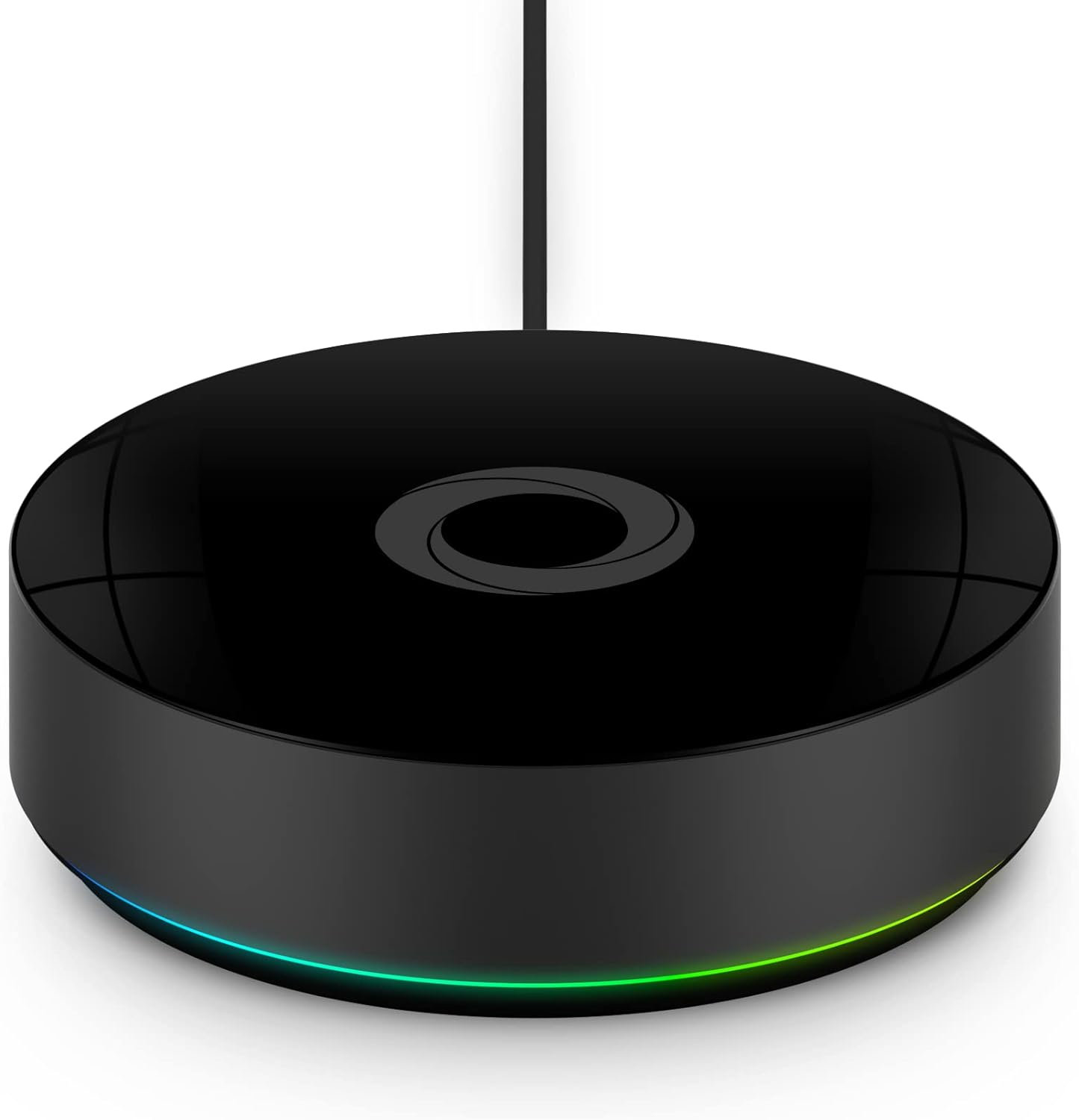
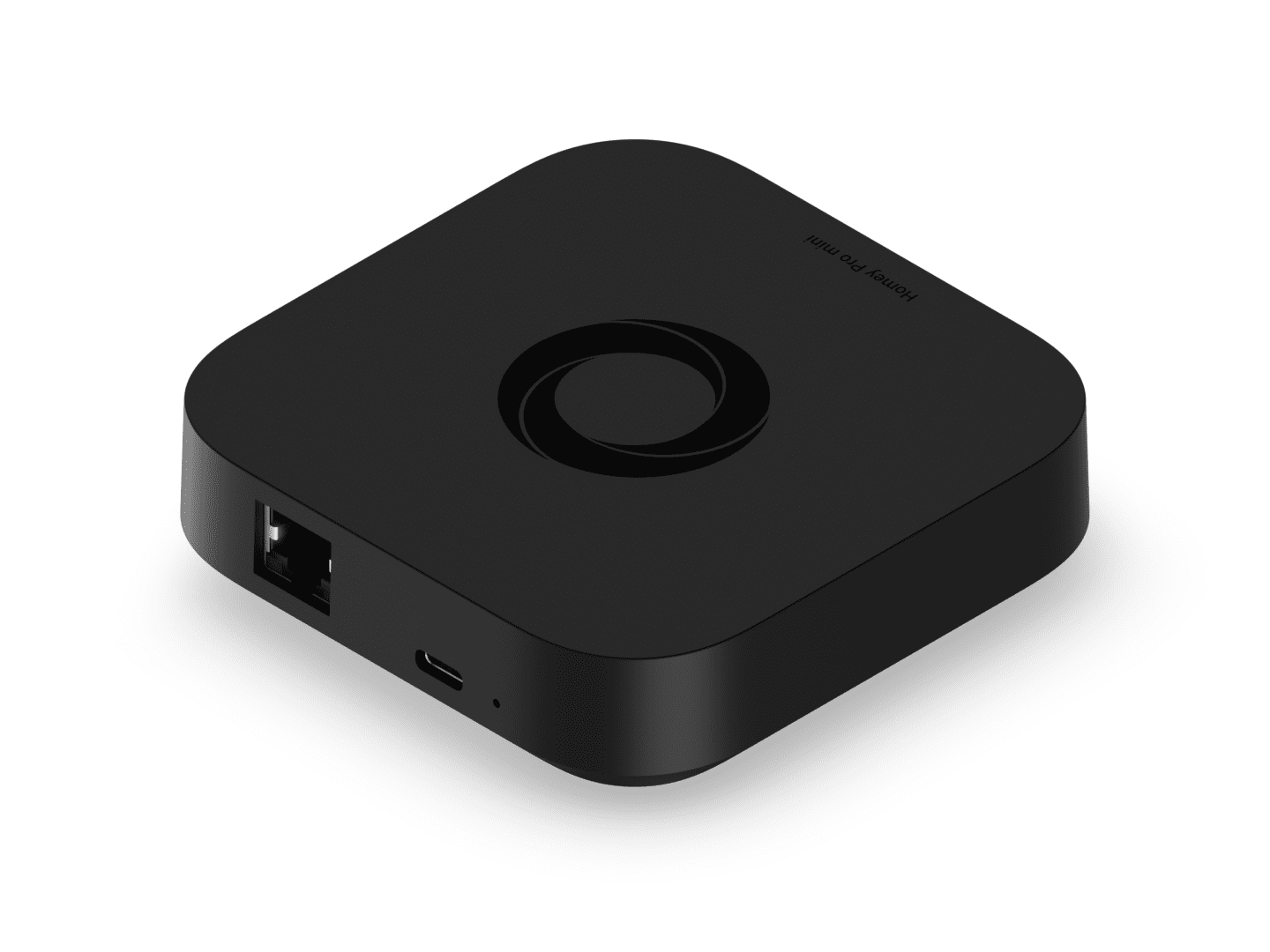
If a product requires creating an account, then you’re giving someone access to your hub. The Homey Pro is a local hub that is marketed in part on its privacy benefits, but that doesn't mean no data is obtained. While the hub may not upload every time you turn on and off a light, the company’s privacy policy states that it does maintain an anonymous record of every device you add to your system. While that information may not be directly tied to you, if you install apps, like I did to integrate a Homey Pro Mini with my Enphase solar panels, then your Homey account will be directly tied to those programs.
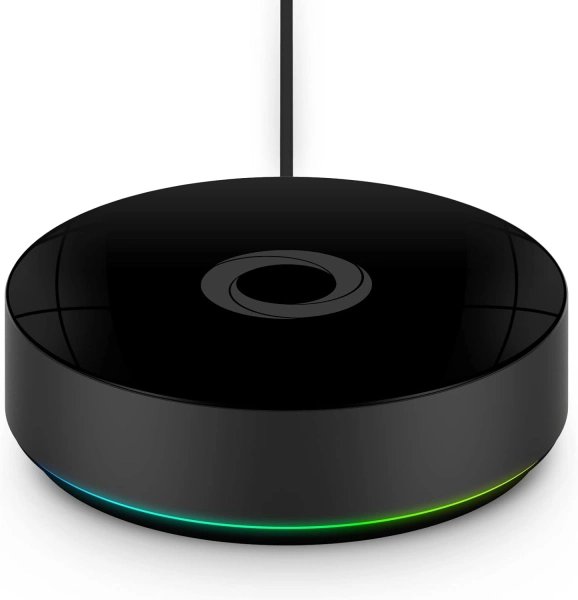
Homey Pro (Early 2023)
Homey Pro is a local-first smart home hub that unifies thousands of devices and technologies into one intelligent, privacy-focused automation system.
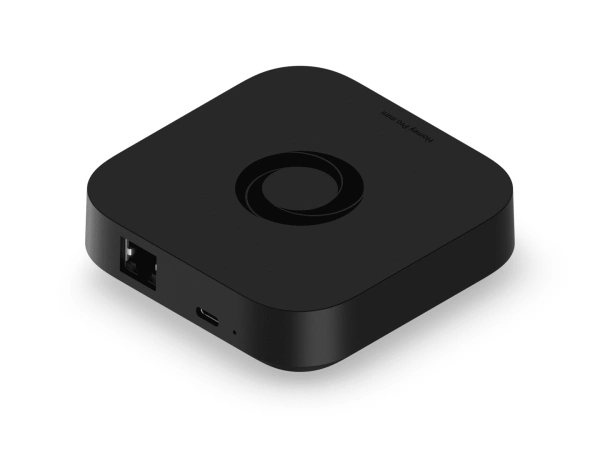
Homey Pro Mini
Smart home hub with Matter, Thread, Zigbee, and Ethernet built in, expandable via Homey Bridge, featuring Homey Flow automation, energy monitoring, alerts, voice integrations, and local or cloud backups with no subscription.
In contrast, IKEA Dirigera doesn’t prompt you to create an account unless you want to add the option to control your smart home remotely. If you opt not to, IKEA has no insights into your home.
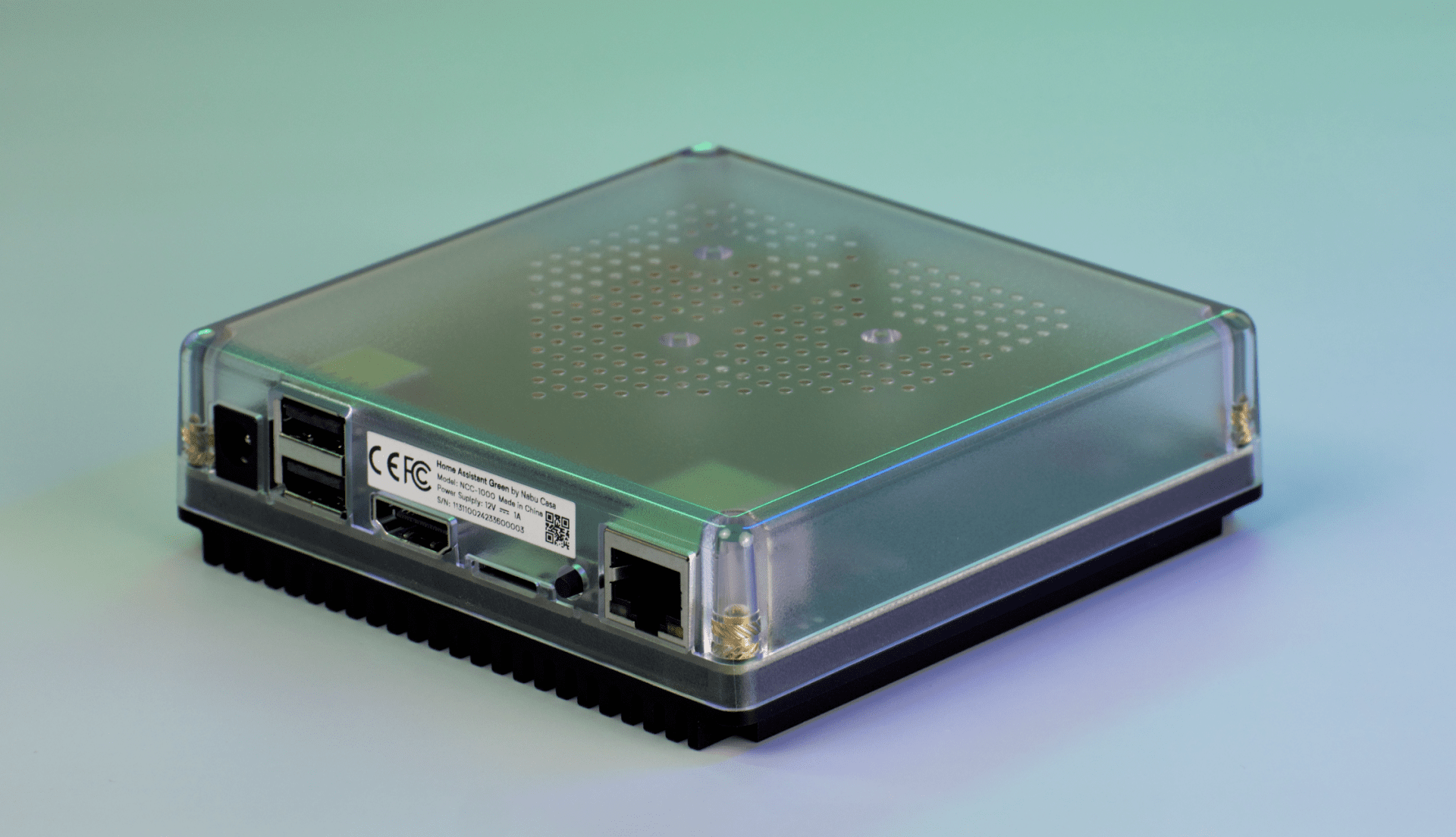
Home Assistant sets the privacy gold standard. Not only is no account required, but the software is fully free and open source, so people with the right technical knowledge can have full insight into what the software does.
Removing reliance on the internet makes your smart home faster
Local hubs tend to have a quicker response time than their cloud-based alternatives. This is because a cloud-based platform has many points in the process where lag can kick in. Is your Wi-Fi network congested? How fast is your internet connection? Are the servers bogged down?
With a local hub, controlling your smart home is more likely to feel instantaneous. I find it satisfying to tap a button in the Homey app and watch as the corresponding smart home device immediately turns on without the spinning wheel that sometimes appears in SmartThings as the command is processed. I had the same experience when I set up my devices using Home Assistant instead.
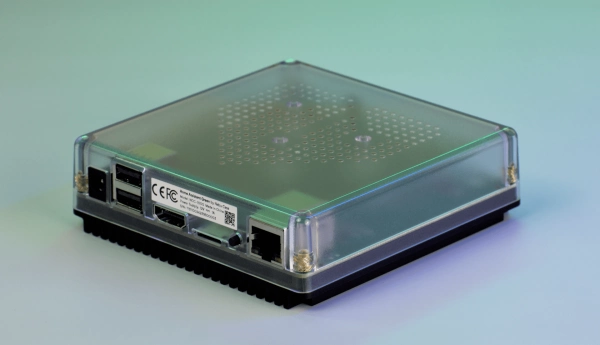
Home Assistant Green
Build a smart home you can rely on for years to come
A cloud-based platform is subject to the whims of the company hosting the servers. Whether the service operates smoothly or continues to exist at all are both dependent on if said company views smart home software as worthy of continued investment.
A local hub is a product you own. The software operates directly on your hardware, and it will continue to function. This doesn't mean it's a one-time purchase that will last forever. You're still dependent on someone else for continued updates, but you can at least be sure your home will continue to operate in its current state even if support goes away. And if that time comes, Matter at least makes it possible for you to swap out your old local hub for another.