Last year, most of my Matter devices came from two brands: Tapo and SwitchBot. This year, it’s all about IKEA. The Swedish retailer’s product line has won me over by giving me, well, exactly what I want.
Basic Matter devices—no cloud account or an app required
I was long put off by the idea of a smart home because I didn’t want to give a company access to information that was previously private, such as when my lights are on or whether I’m using a fan. Matter solves that problem by keeping its activity on the local network, but that’s only true if the products I select don’t have their own cloud requirements.
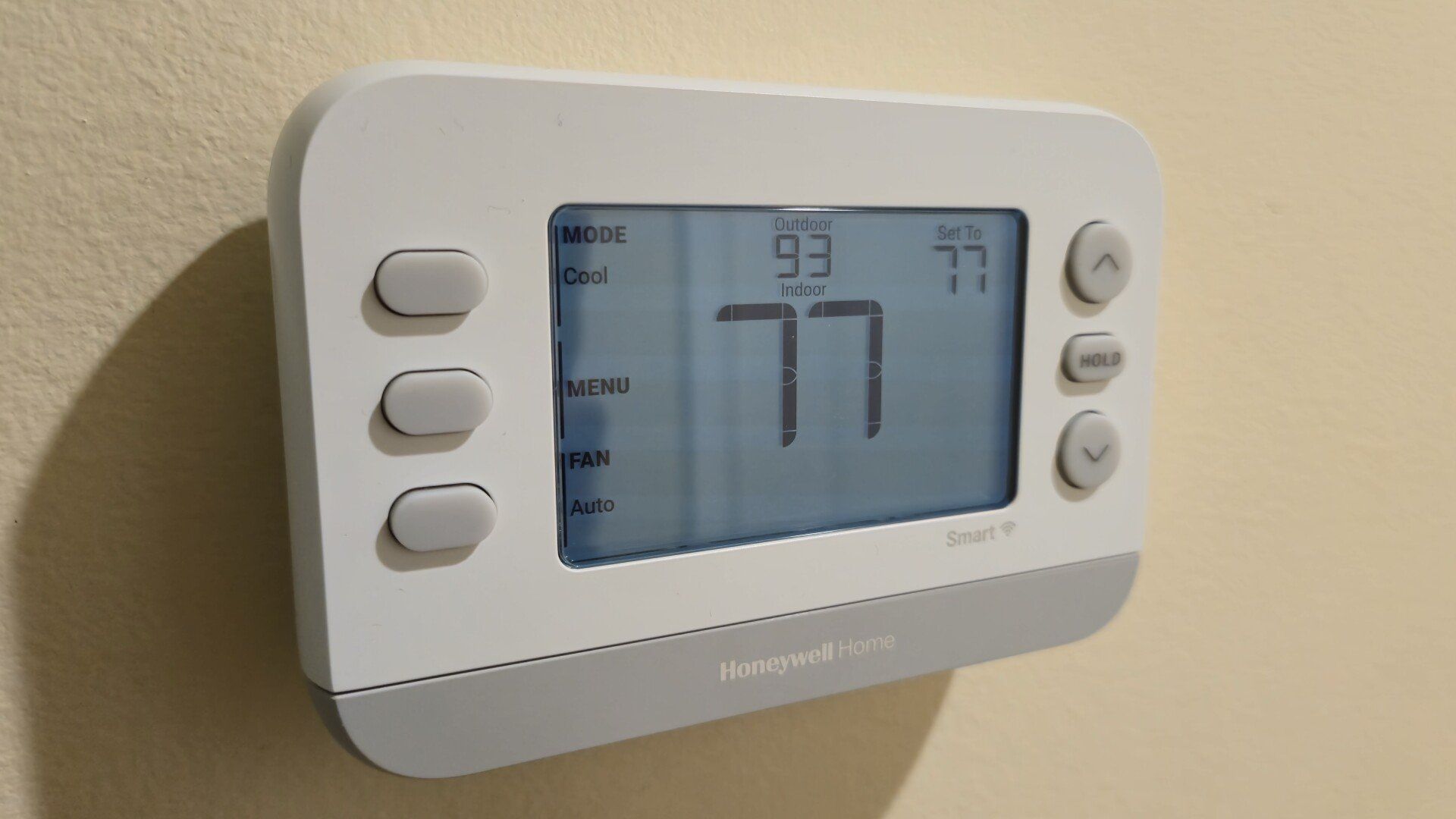
I've been frustrated by how many Matter products still require a special companion app to set them up. Most SwitchBot products, for example, require creating a SwitchBot account before you can add them to your smart home platform of choice. This is also a complaint I had with my Honeywell Home X2S thermostat. By contrast, the ability to forgo using the Tapo app is why I chose to fill my home with Tapo smart switches.
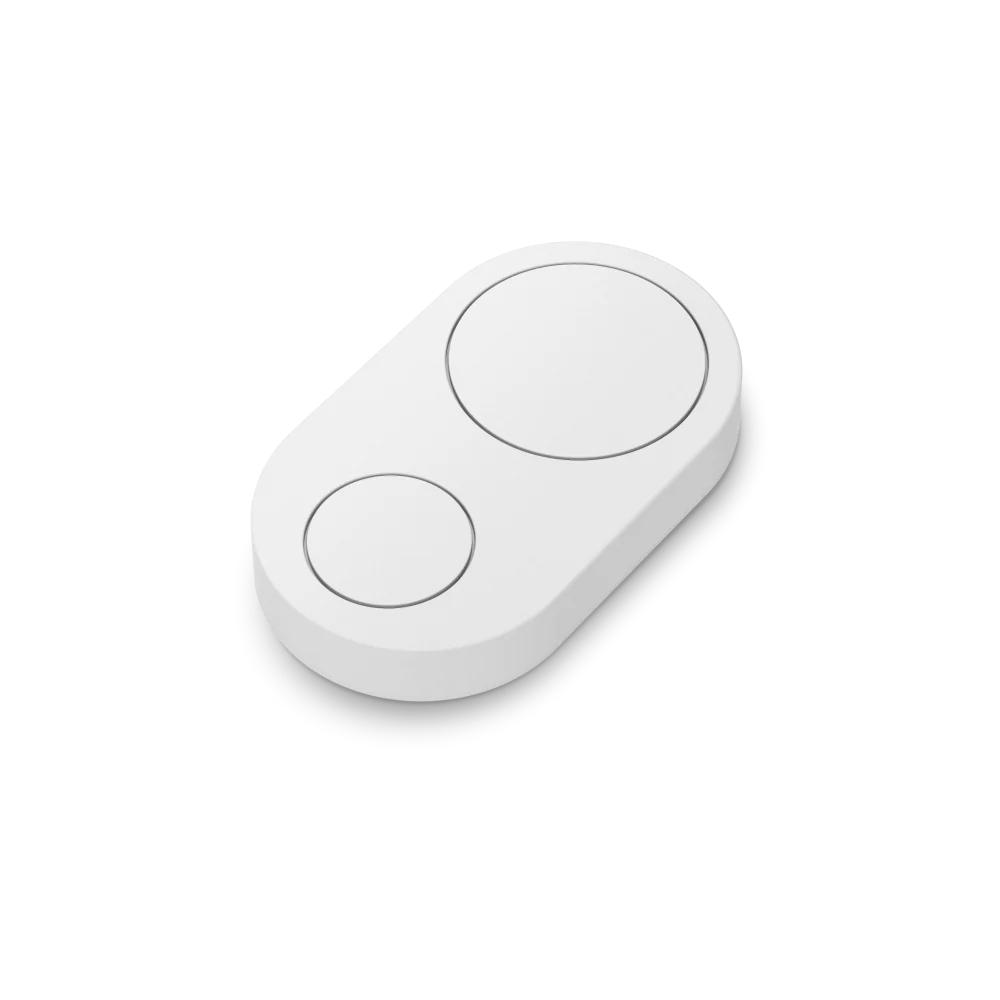
IKEA’s products not only don’t require a dedicated app—they don’t even ship with one! For better or worse, their functionality is entirely dependent on the Matter support of your chosen platform. That, of course, introduces a different set of complications with products like IKEA’s Bilresa smart buttons.
New IKEA Matter devices use AAA batteries
Modern tech often comes with a limited shelf life, not because the product can’t function for a long time, but because it comes with a non-replaceable battery. Many smart home gadgets that do have swappable batteries opt for circular cell batteries like those commonly found in watches. IKEA, thankfully, has opted to go with AAAs.
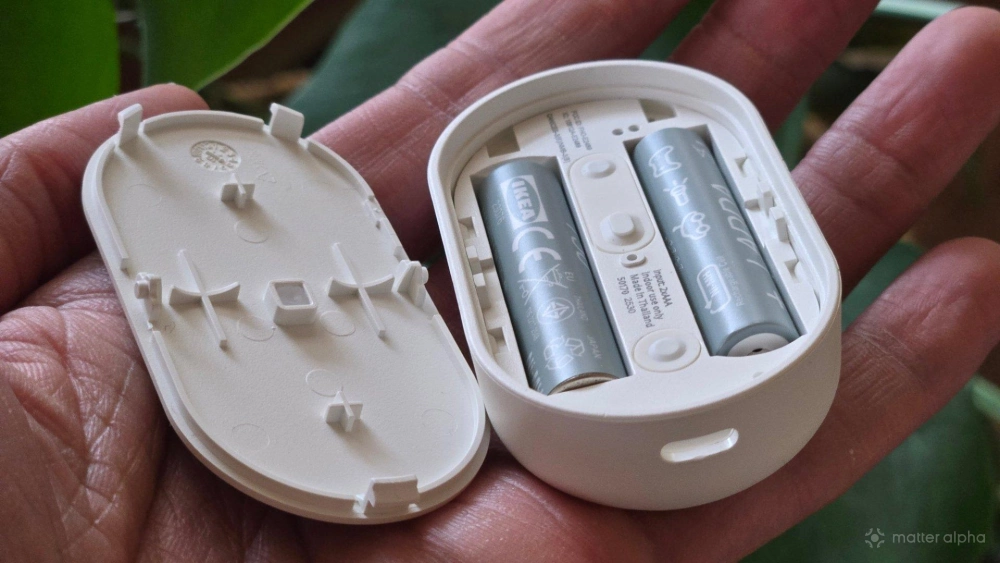
The type of battery matters when buying a smart home device. AAA batteries are far more accessible. Chances are you have some lying around or you know where to get them if you don’t. Relying on an easily replaceable battery means these products will continue to work until either the hardware physically fails or networking protocols and standards change. Neither is likely to happen any time soon.
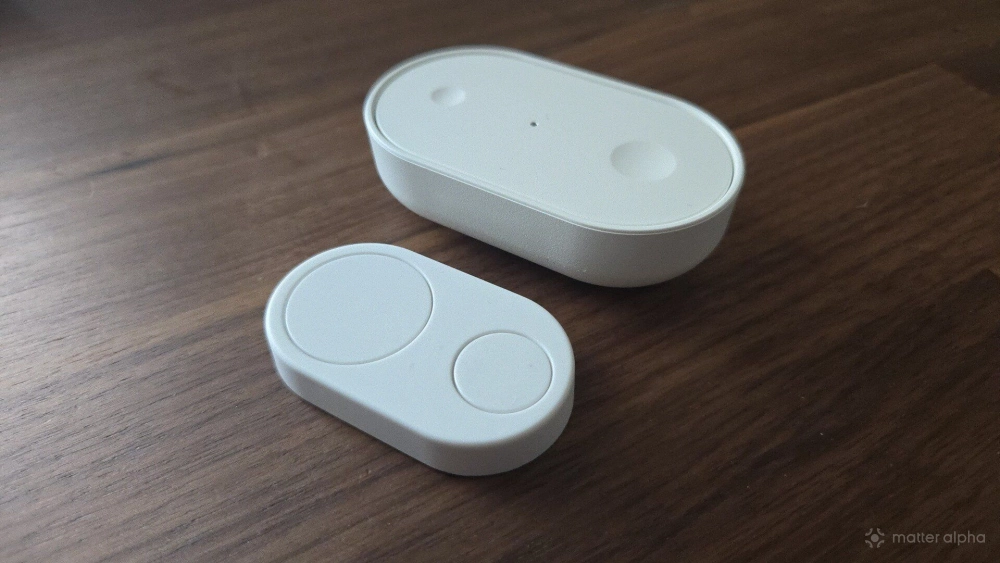
There are downsides, sure. My Bilresa buttons look downright massive next to a similar Flic Duo, but that’s a tradeoff I’m happy to make.
You can’t beat IKEA’s price
I have several Matter devices from IKEA on my desk. The cheapest cost me $6. The most expensive set me back $10. Last year, I thought getting a SwitchBot climate sensor for around $18 and a SwitchBot motion sensor for $20 was a steal. I was trying to convince myself that the $60 for a Flic Duo was an expense I could justify. But IKEA has completely changed the conversation.
I can now place Matter devices in more places than I ever previously considered. I can put a thermometer and humidity sensor in each room, and I can put water leak sensors in all of the locations that matter. I could even put a sensor in each window if I wanted. Sure, the cost will still add up, but we’re talking a total cost that’s still in the hundreds instead of the thousands. One visit from the plumber or electrician can cost more than buying multiples of all the Matter products IKEA sells.
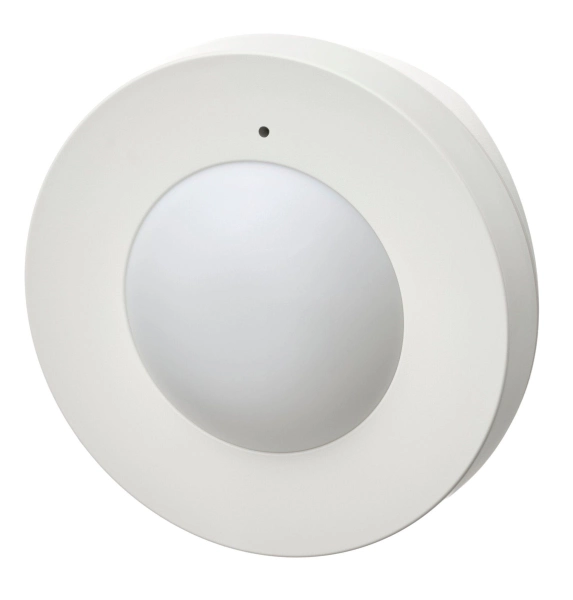
MYGGSPRAY Motion Sensor
A versatile motion sensor that automatically activates lighting indoors or outdoors when movement is detected.
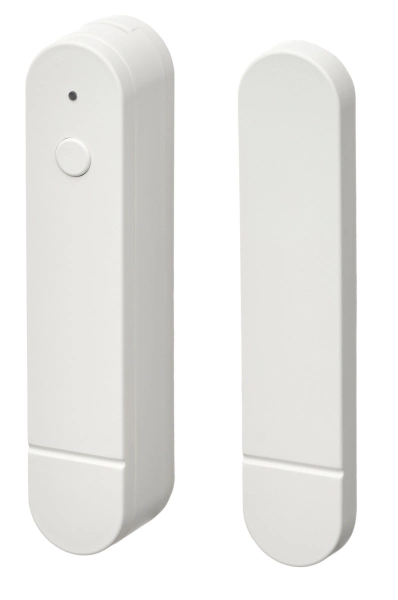
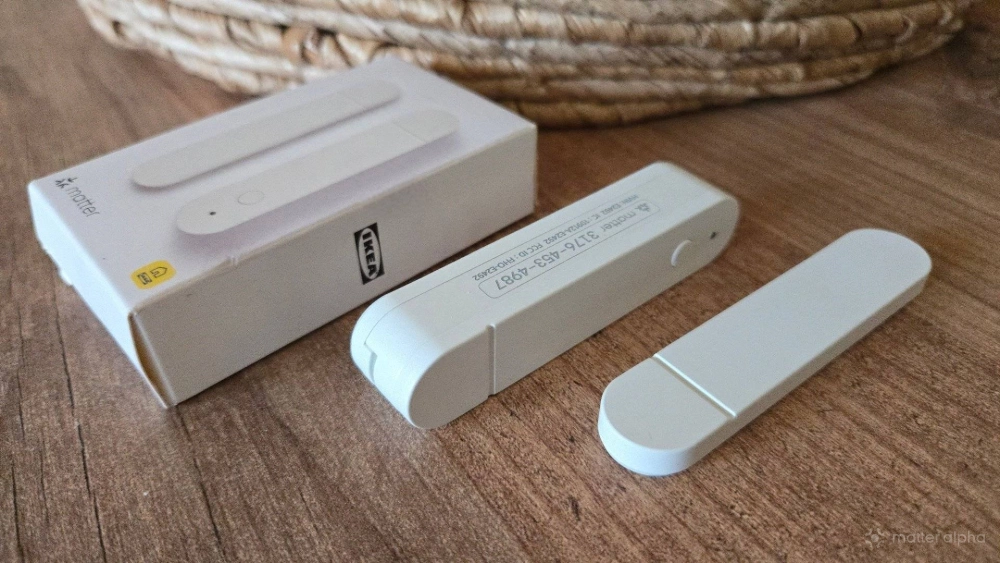
MYGGBETT Door/Window Sensor
A smart, discreet sensor that detects door or window movement and can trigger notifications or automate lighting.
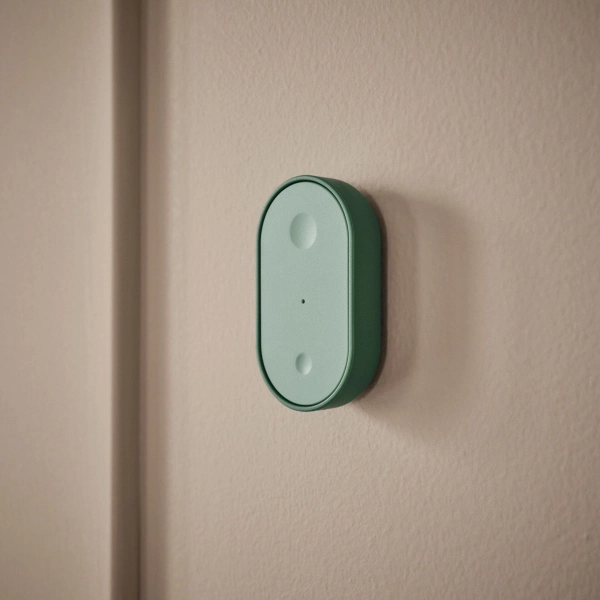
BILRESA Remote Control with Dual Button
A simple, two-button remote that lets you control smart lighting functions like power, brightness, colour, and scenes from anywhere nearby.
IKEA offers nearly everything I want
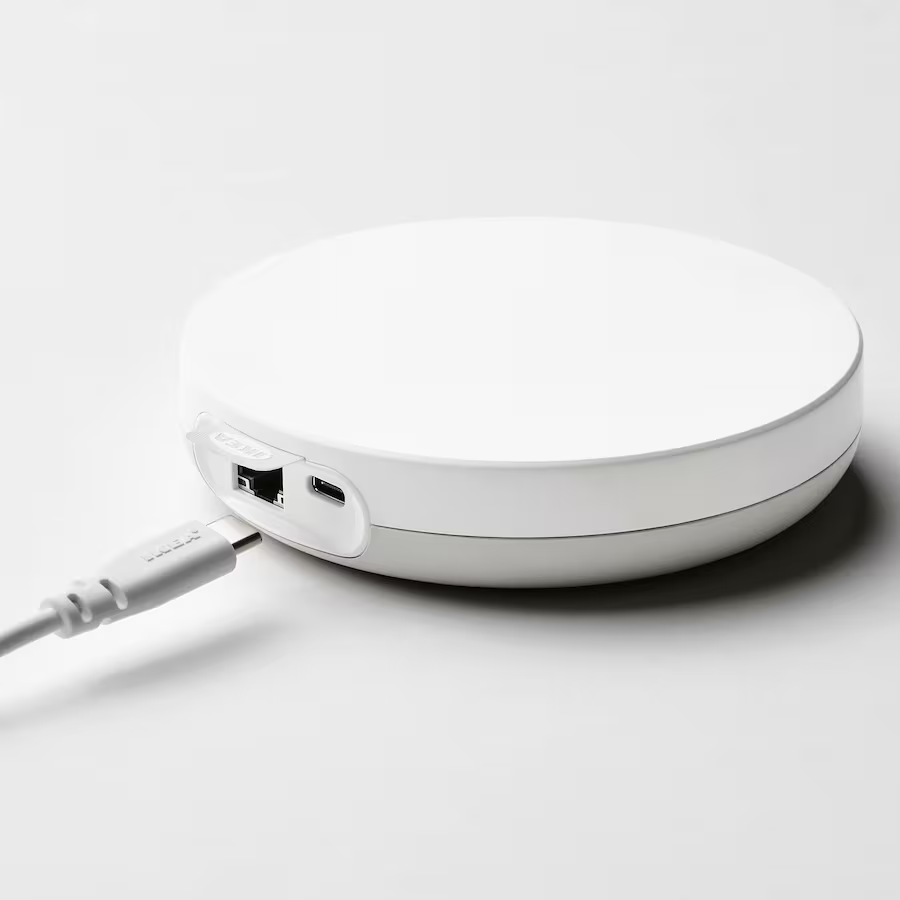
IKEA’s product line includes smart buttons, water leak detectors, motion sensors, window/door contact sensors, temperature and humidity sensors, and an array of different bulbs. We've provided a list of the 21 Matter devices in IKEA's latest product line, and what I see there covers most of what I want but don’t yet have. I’ve already wired my home with smart switches for the lights. I have smart locks that I recently connected to Matter via a bridge. I have a smart thermostat. What I don’t yet have is sensors in each of the places where I want them.
Not that long ago, buying this many sensors felt like a dream, like something I could do in the distant future when my money’s right. Now? That dream feels just a few months away. $100 buys a lot more than it used to, and to be able to say that at a time when so much tech has only gotten more expensive? Well, that almost feels too good to be true. Thing is, I’ve already set up some of these devices, and I can say quite honestly—it isn’t.