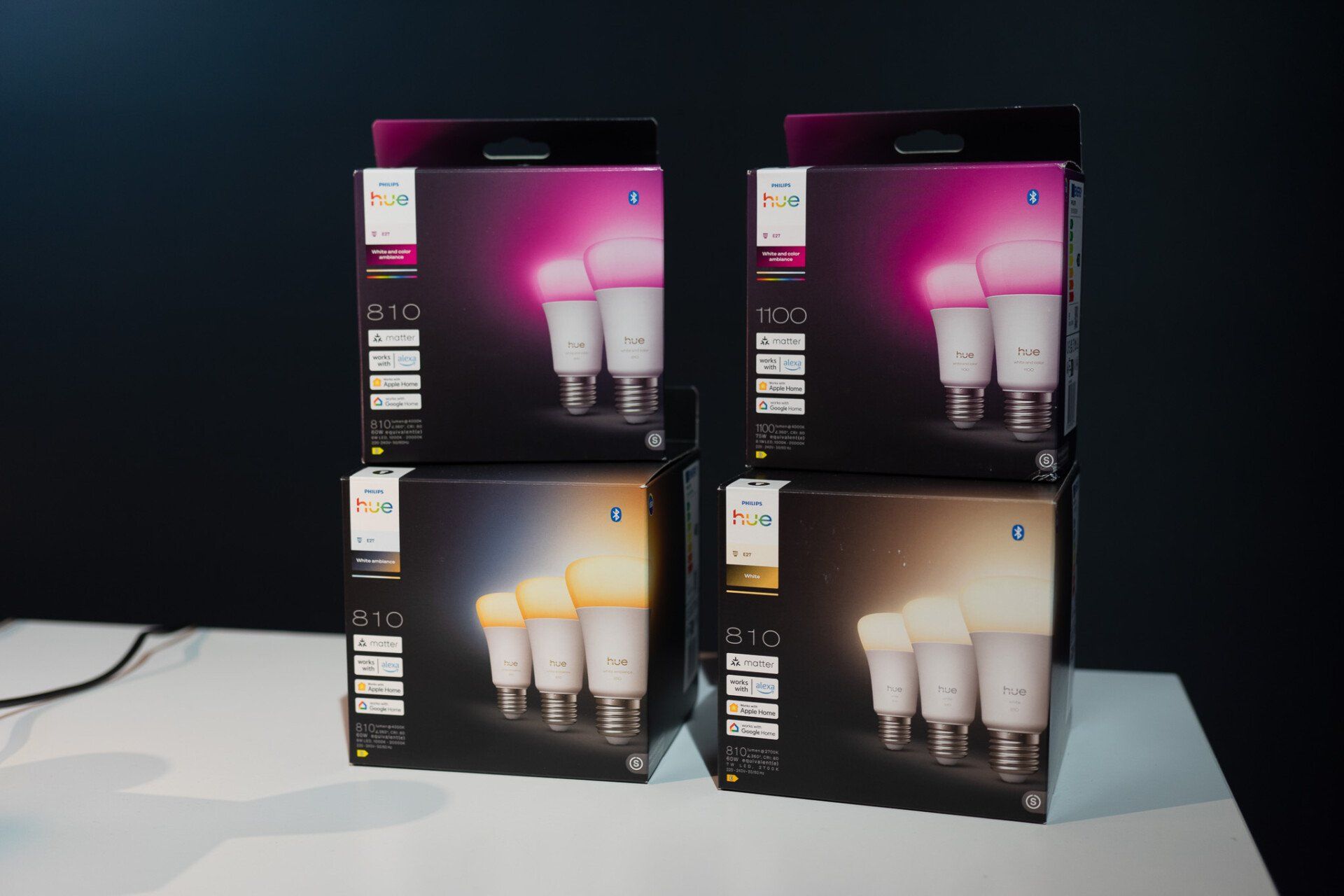
Last autumn, Signify announced a new generation of Matter lighting products, including its entry-level Philips Hue Essential line up. During the launch event Matter Alpha attended, Signify engineers repeatedly mentioned “concurrent” when talking about the future of Hue, hinting that support for both Zigbee and Thread was on the way.
Since late last year, new-generation Hue bulbs have already supported both Zigbee and Thread on the same hardware. But users still need to choose which protocol to use when setting them up. The product can work as a Zigbee device or a Matter-over-Thread device, but not both at the same time.
The new Signify and Silicon Labs work moves beyond. It brings concurrent Zigbee and Thread operation to lighting devices, allowing one product to stay connected to both Hue Bridges and Matter via Thread without requiring a firmware switch. That could simplify product design for Signify while giving Hue users a smoother path between existing Zigbee setups and newer Matter-over-Thread connectivities.
One product, no protocol switching
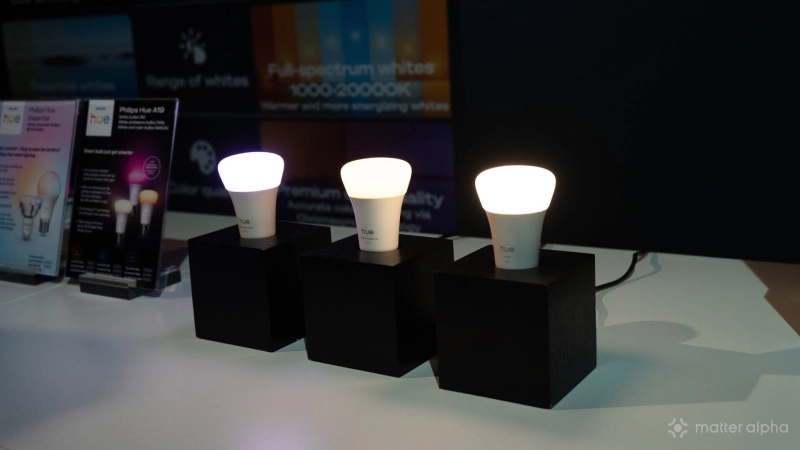
Philips Hue White Ambiance E27 60W
Philips Hue white warm light with Thread connectivity.
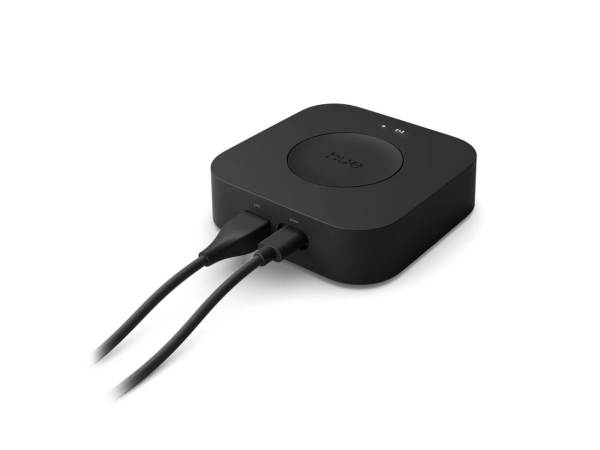
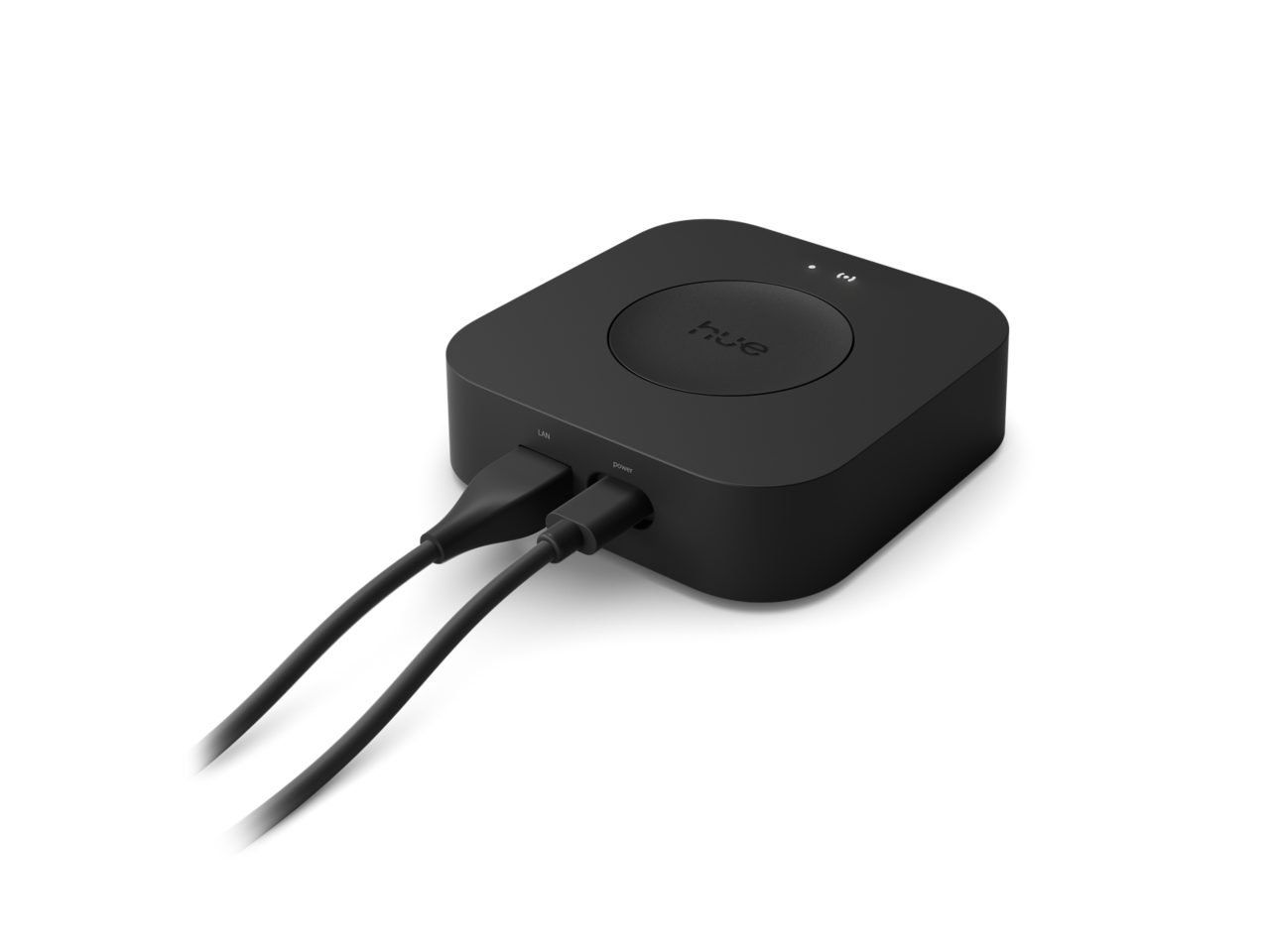
Hue Bridge Pro
A more powerful Hue Bridge that supports 150 lights, doubles as a Matter border router, and comes with modernized hardware and USB-C power.
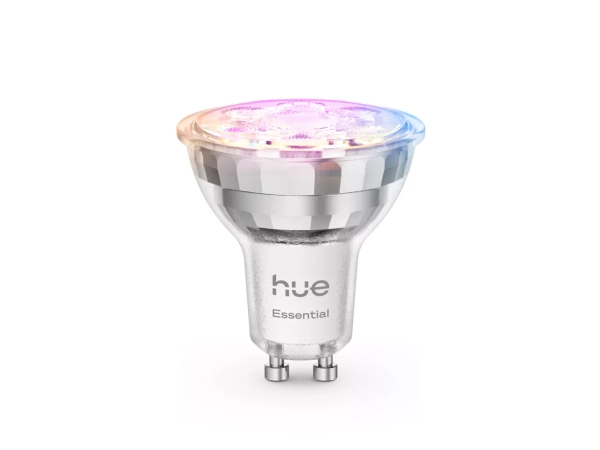
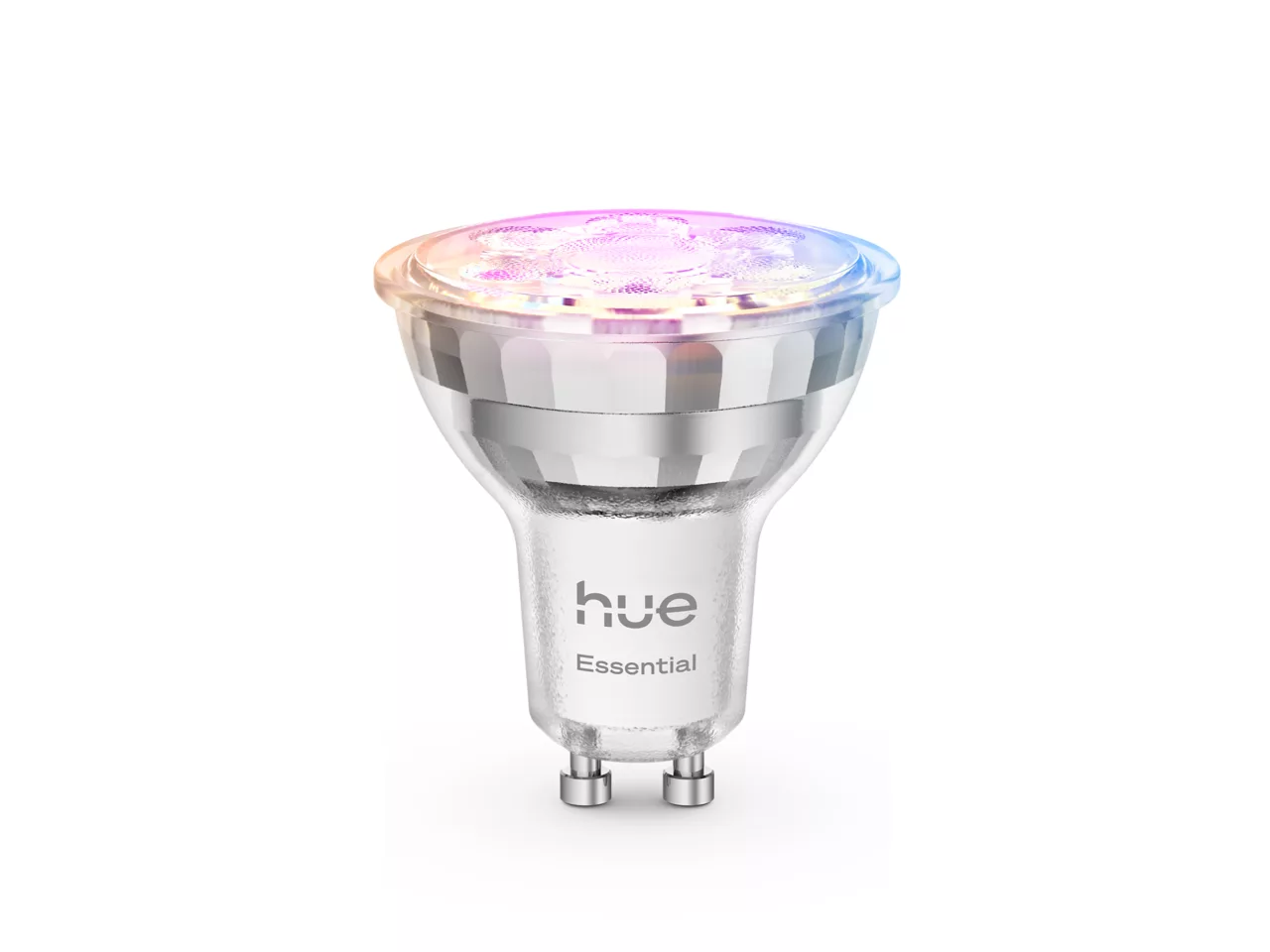
Philips Hue Essential GU10 Smart Spotlight
A smart GU10 spotlight that combines millions of colors, adjustable white light, and Philips Hue smart lighting features to deliver flexible accent and everyday lighting.
According to Silicon Labs, the collaboration builds on a growing industry trend toward single-SKU products.
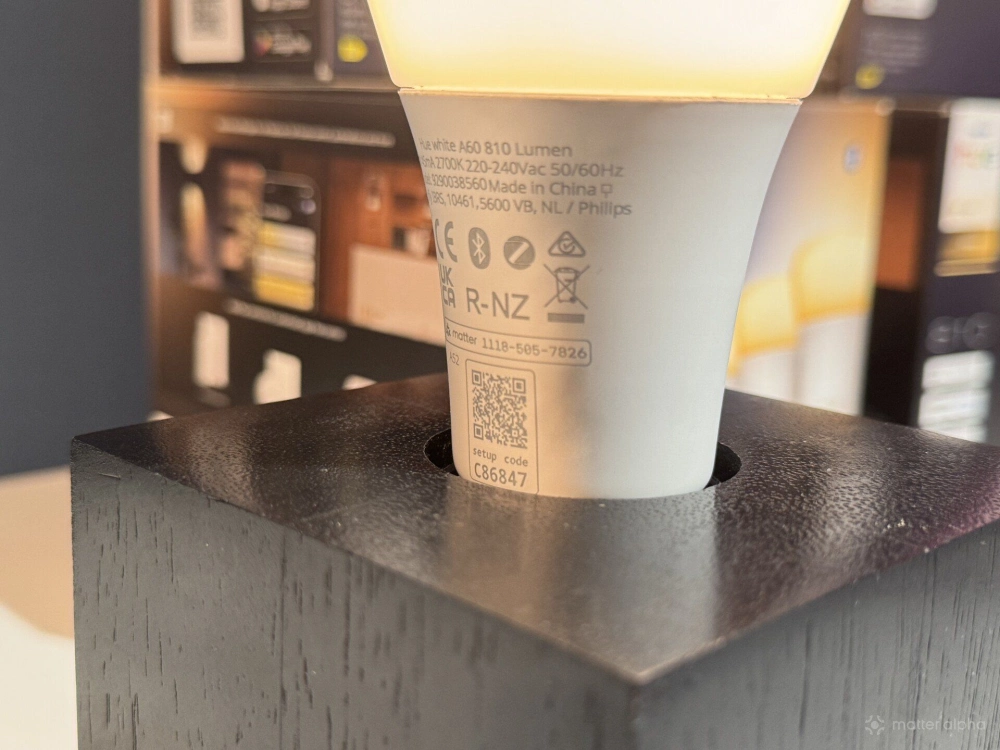
Today, manufacturers such as Signify can already ship a single light bulb that supports both Zigbee and Thread. The difference is that users still need to choose which protocol to use. Once the bulb is commissioned into either a Zigbee or Matter-over-Thread network, switching requires resetting the device and joining the other network.
“With this multi-protocol solution, we only need to produce one type of light bulb,” Allen Ji, Field Application Engineer at Silicon Labs, told Matter Alpha. “Whether it joins a Zigbee network or a Matter network is decided by the end user.”
The new concurrent implementation goes a step further. Instead of loading one protocol at a time, the bulb can operate on both Zigbee and Thread simultaneously. That removes the need to switch firmware or factory reset the device when moving between ecosystems, while also simplifying product development for manufacturers.
For consumers, it also makes upgrading easier. Existing Zigbee users can continue using the same device today while remaining ready for Matter as more ecosystems adopt the standard.
Bringing concurrent to the device itself
Running Zigbee and Thread on the same chip is nothing new for Silicon Labs.
Many smart home hubs, including Samsung SmartThings and several Aqara and Tuya gateways, already use Silicon Labs chips capable of running multiple wireless protocols. The challenge has been bringing the same capability from the gateway to the end device.
This brand helps to support our site to remain ad-free.
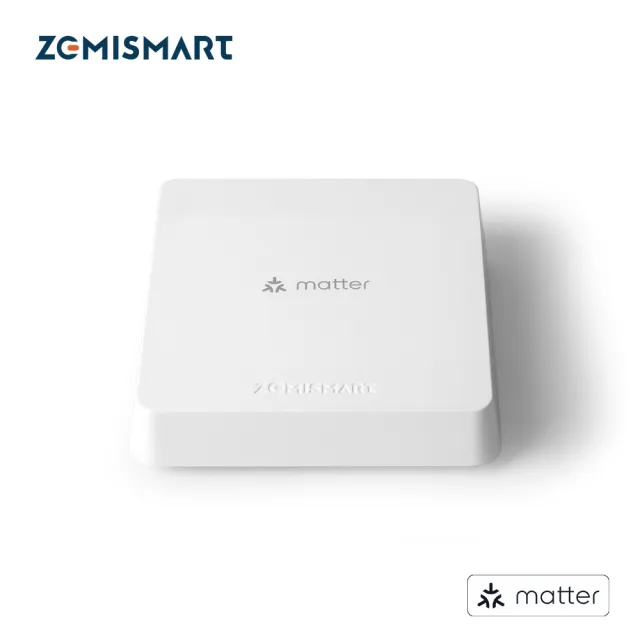
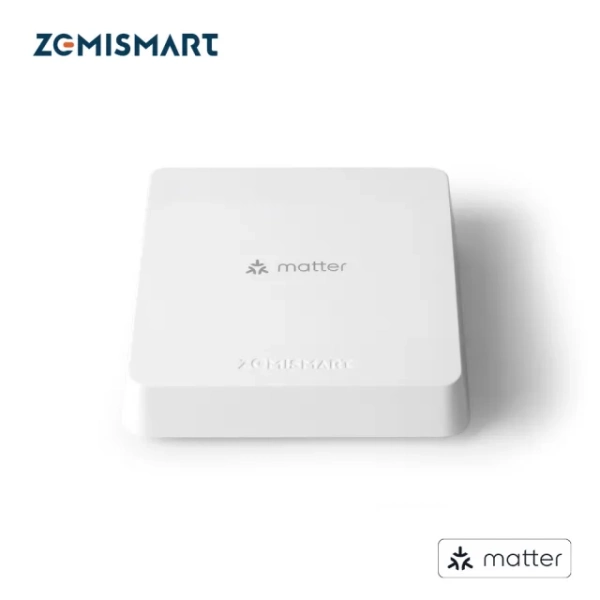
Read more about our ethics policyZemismart M1 Hub
The Zemismart M1 Hub is a gateway that connects Tuya Zigbee and Thread devices, enabling voice control through Siri and Google Home, with a flame-retardant plastic build for durability.
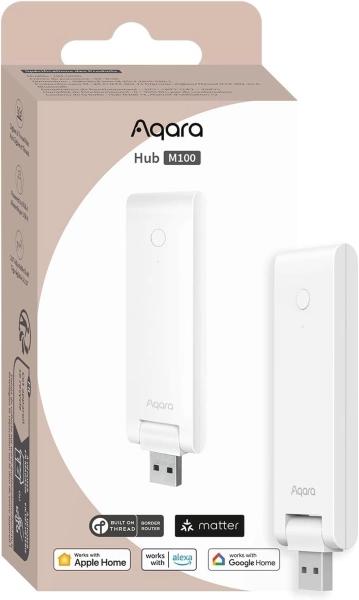
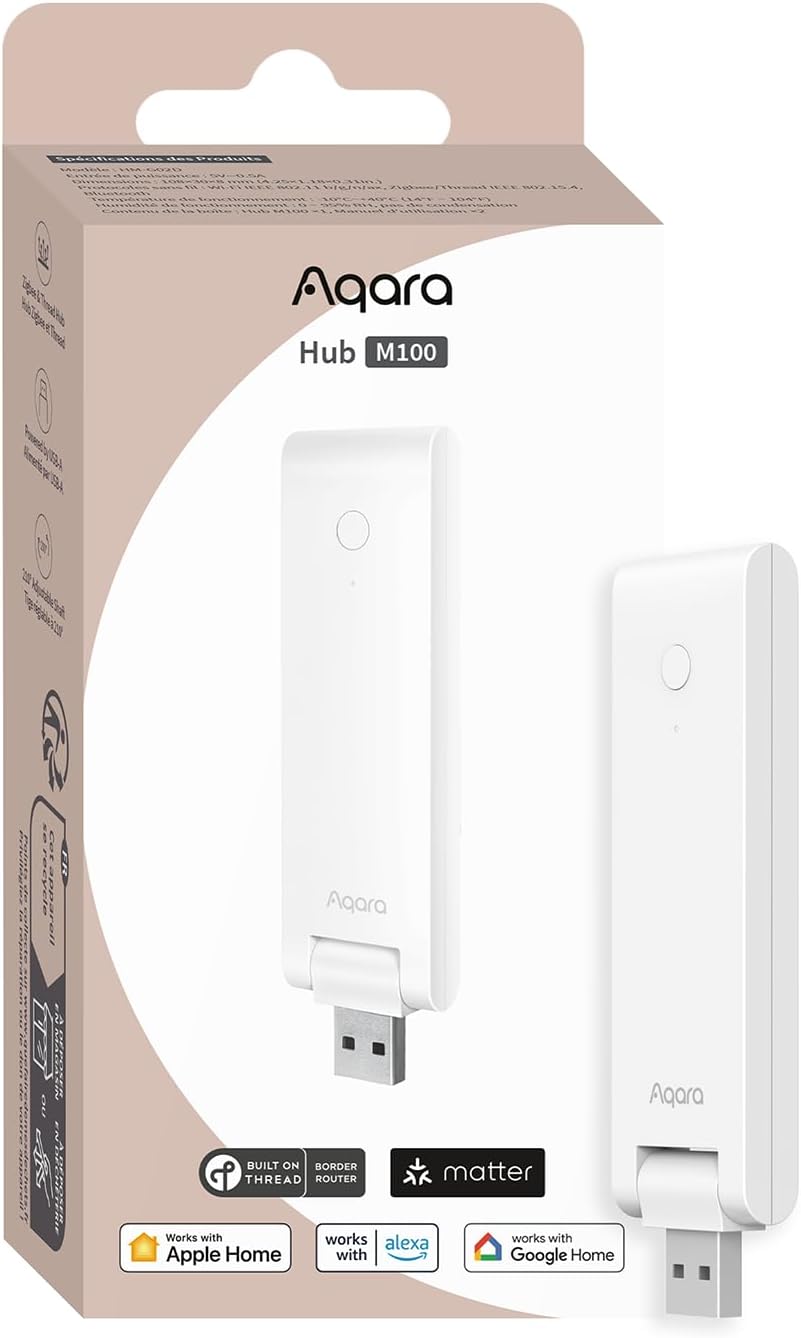
Aqara Hub M100
The Aqara Hub M100 is a compact, entry-level Matter Controller with Wi-Fi, Thread, Zigbee, and USB-A power, serving as a Thread Border Router and Matter bridge for Aqara and third-party devices.
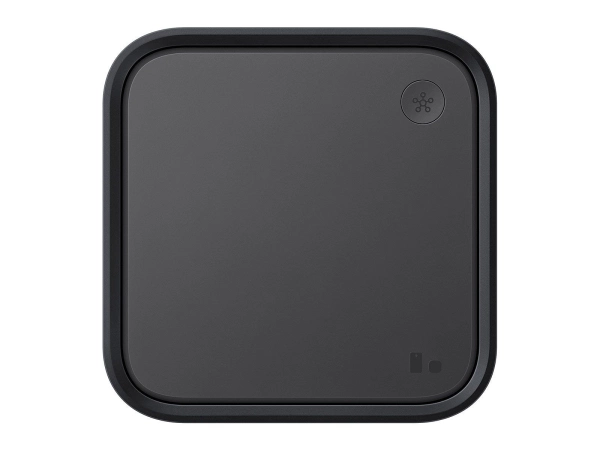
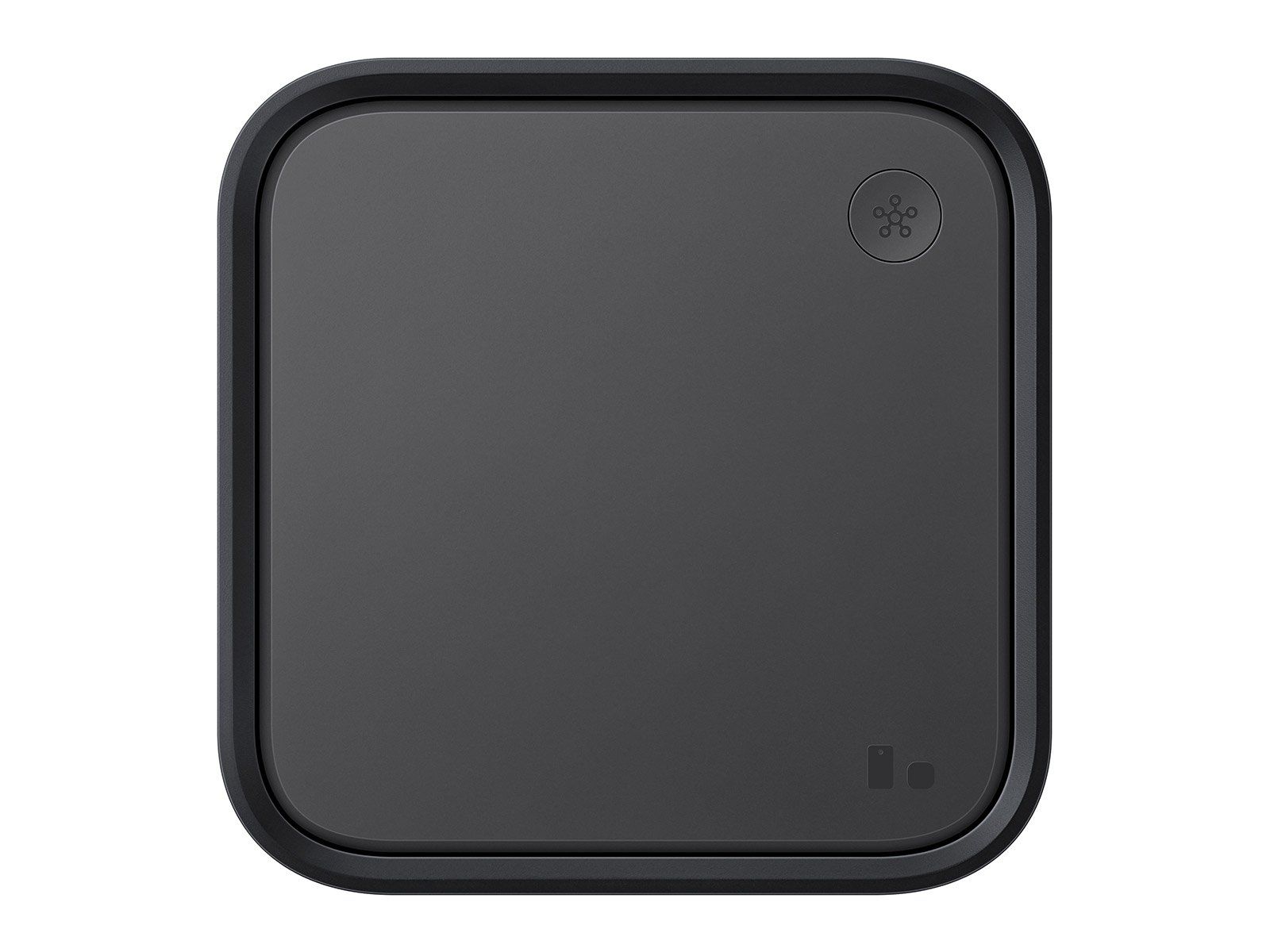
SmartThings Station
A compact smart home hub and wireless charger that unifies and simplifies control of your connected devices.
“The gateway manages two networks,” Ji explained. “But for an end device, it can join whichever network the customer wants. That’s a different advantage.”
Unlike a gateway, which connects different networks together, a light bulb can now become either a Zigbee device or a Matter-over-Thread device using the same hardware. That gives manufacturers more flexibility while allowing users to choose the ecosystem that best fits their home.
Different channels without sacrificing performance
Previous multi-protocol implementations often required Zigbee and Thread to share the same 802.15.4 radio channel. The new concurrent implementation removes that limitation by allowing the two protocols to operate on different channels.
In an 802.15.4 network, only one device can transmit at a time on the same channel. Separating Zigbee and Thread reduces radio contention, particularly in larger installations where dozens of devices are communicating simultaneously.
“If they’re on the same channel, collisions are more likely,” Ji said. “Running them on different channels greatly reduces those collisions.”
Silicon Labs also says users should not notice any performance difference compared with a single-protocol device.
“Basically there is no performance difference,” Ji said. “They share the same 802.15.4 MAC layer. The hardware switches between the two channels fast enough to listen to both networks.” On the MG26, protocol switching takes about 50 microseconds. On Family 3 chipsets like the MG301, it drops to just 1 to 16 microseconds, according to Silicon Labs.
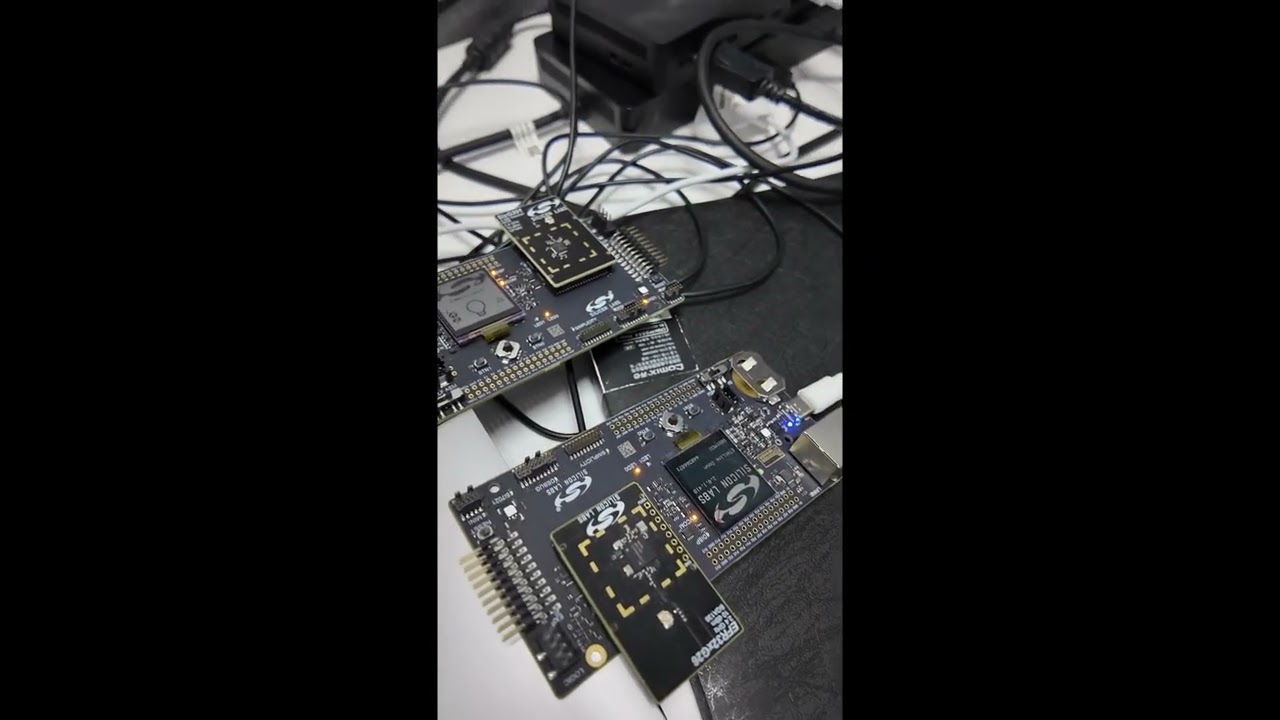
*The demo from Silicon Labs shows a minimal setup: a dual-protocol board simulating a Matter over Thread light, which is directly controlled by another virtual Zigbee switch at a fast interval. The screens show the state changes of the light.
More memory is the tradeoff
Running two protocol stacks simultaneously still requires significantly more chip resources.
According to Silicon Labs, a simple Zigbee application typically uses around 200 KB of flash memory and less than 32 KB of RAM. Supporting concurrent Zigbee and Matter increases code size to more than 1 MB, while RAM requirements grow to between 384 KB and 512 KB.
That is why the solution currently targets Silicon Labs’ MG26 and Series 3 MG301 chips, which provide the additional flash and memory needed to run both protocols together.
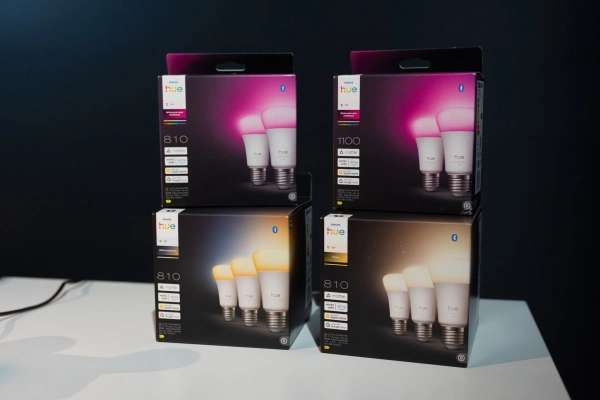
The GU10 and E27 Essential bulbs, the new standard E27 and E12/E14 bulbs, and the new Hue Slim recessed lights should all support the feature, according to HueBlog.
While the current collaboration focuses on lighting products.
Silicon Labs confirmed to Matter Alpha that the concurrent solution announced with Signify does not currently cover Philips Hue sensors or battery-powered accessories such as dimmer switches despite it being possible to bring the tech to sleepy devices.
A practical path to Matter and Thread
For years, the move from Zigbee to Matter has forced both manufacturers and consumers to choose between compatibility with existing Zigbee networks and adopting the newer standard.
Concurrent connectivity changes that equation.
Rather than treating Matter as a replacement for Zigbee, Signify and Silicon Labs are allowing both protocols to coexist on the same product. Existing Zigbee installations can continue expanding without disruption, while new users can build directly on Matter over Thread using the same hardware.
And Thread 2.0 is coming, rumored to be adding Sub-G for long-range connectivity, a tech Silicon Labs is expert in. Concurrent connectivity would matter more with additional radio required for all-in-on Matter devices.
Silicon Labs also said it has explored concurrent solutions involving Sub-GHz radios in the past and already has the technical foundation. The company suggested they would productize those solutions when higher customer demand arrives.
If the approach expands beyond Hue and lighting, buying a smart home device may no longer mean deciding between Zigbee and Matter before setup. Instead, the same hardware could simply adapt to whichever ecosystem the user chooses, making the transition to Matter and future Thread standards far less disruptive.
(Source: Silicon Labs, HueBlog; Image: Matter Alpha/Ward Zhou)