Apple's annual World Wide Developer Conference is always about what the company is building next, but for smart home enthusiasts, it's also a chance to imagine what could be. While Apple Home—and Matter—has undoubtedly become more capable in recent years, there are still little gaps and missing features that keep the platform feeling more like a hobby and less like a complete smart home experience.
As the big WWDC 2026 event approaches, here are 5 features and improvements that I'd love to see Apple deliver for Apple Home and Matter users.
First things first: don't get your hopes up
Before we begin, as someone who has been covering Apple for years, I know the realities of the tech giant's WWDC event. While it has happened on rare occasions, it is highly unlikely that we will get to see Apple's rumored smart home display, HomeOS, next-generation HomePods, or any other smart home hardware announcements—so in other words, don't get your hopes up.
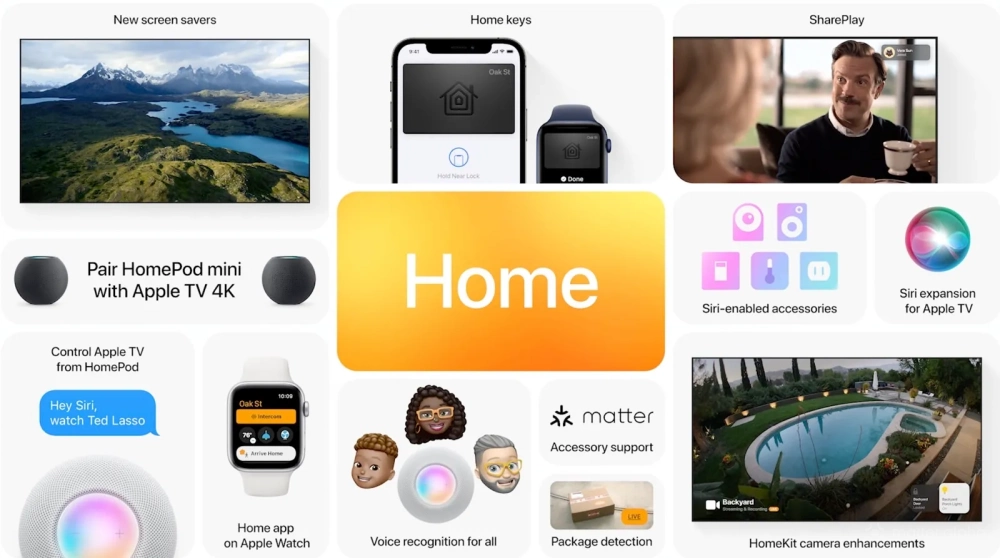
In fact, we probably won't see much of the Home app at all during the event, apart from a brief appearance during its Apple TV segment, and later on a bento-style features slide. If Matter is mentioned, chances are it will be just to say that iOS 27 includes expanded device category types, or Apple may divulge which version of the specification they will be supporting in the upcoming software release.
So, with that being said, the following wish list consists primarily of quality-of-life items or incremental improvements that have a greater chance of coming to fruition, and certainly not pie-in-the-sky type stuff. Even still, the chances of these improvements actually getting any airtime during the event remain slim.
If Apple follows its traditional formula, changes and updates to the Home app will need to be discovered by the smart home community after the first iOS 27 developer betas are released. As always, we'll keep you informed on all of the changes in the days following the event, so stay tuned to Matter Alpha if you want to stay up to date.
1. Energy monitoring and automation
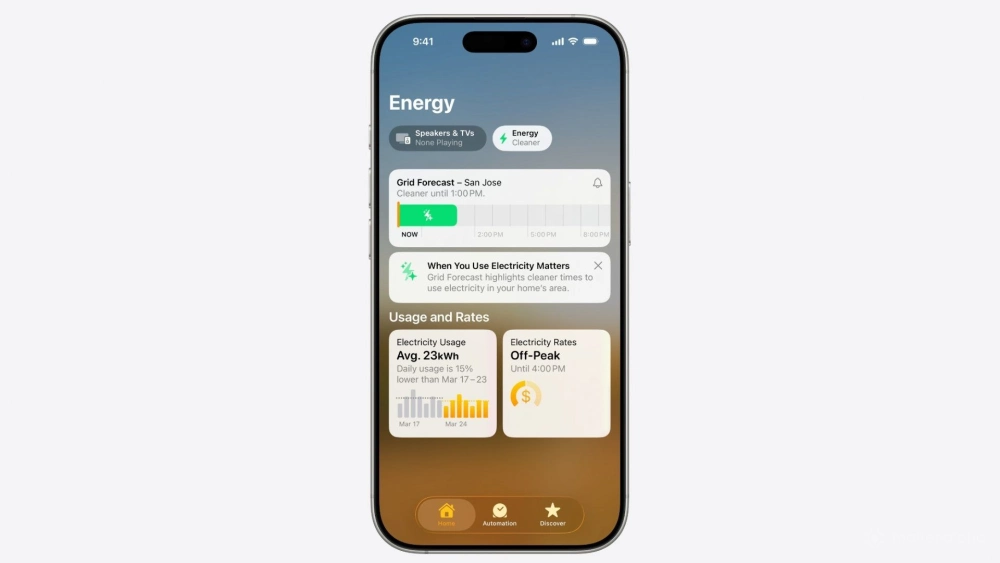
With the introduction of Grid Forecast, PG&E utility integration, and the EnergyKit framework over the years, it has always seemed as though Apple was on the cusp of bringing energy metering and automation capabilities to its Home app. Yet, for one reason or another, it hasn't materialized, even though its original smart home platform—HomeKit—supported energy monitoring through third-party apps, and even after it became a part of the Matter standard.
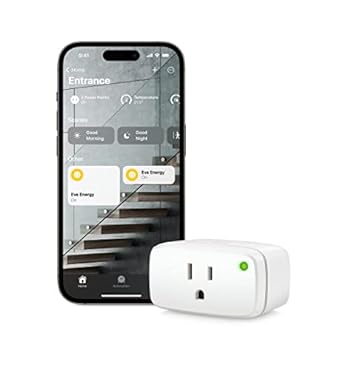
Apple's energy-based reluctance—coupled with its picking and choosing of Matter feature implementation—has placed it firmly behind its competitors. Samsung's SmartThings ecosystem added support for energy monitoring from devices like the Eve Energy back in late 2024, and, as with most releases, hobbyist platform Home Assistant added it just a few days after the CSA unveiled Matter 1.3.
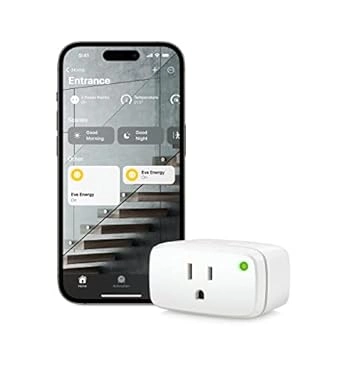
Eve Energy (U.S. & Canada)
The omission is also rather strange when you take into account Apple's climate policies and environmental initiatives. Aside from the conveniences that they provide, Matter devices can save energy by automating thermostat schedules, powering off appliances connected to smart plugs when not in use, and automatically turning off lighting when leaving for the day.
At this point, I would settle for Apple merely exposing the data to the energy portion of the Home app without adding it as a trigger for automation, as it would help surface overlooked routines or habits. Sure, it wouldn't be as impactful, but it would at least signal that the company still has ambitions of expanding its smart home ecosystem.
2. More customization and personalization options
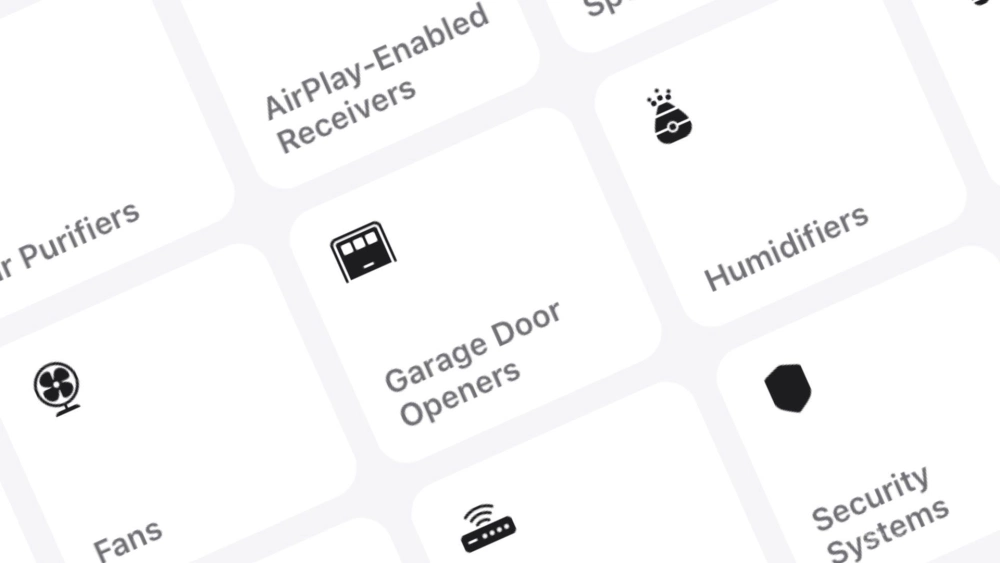
My next wish list items for the Home app are all about customization and personalization. As much as I love the Home app's aesthetic with its user-friendly tile layout and playful animations, its device icon library is still incredibly sparse, with no new additions since the release of iOS 16.
Have a chandelier over your dining area? Better hope that it resembles a fixture from the 90s, as that's your only option outside of generic lighting icons. Have an air purifier hooked up to a Matter smart plug? You get your choice of displaying it as an outlet, or changing its device type to a fan, which impacts phrasing when issuing Siri voice commands.
Just like energy monitoring, Apple already has a well to draw from in this regard—the Shortcuts app and SF Symbols Mac app—making the lack of options in the Home app puzzling. The same goes for Home app wallpapers, which I stopped caring about after having to set them for each room individually on all of my Apple devices for the umpteenth time—just make it sync to the cloud already!
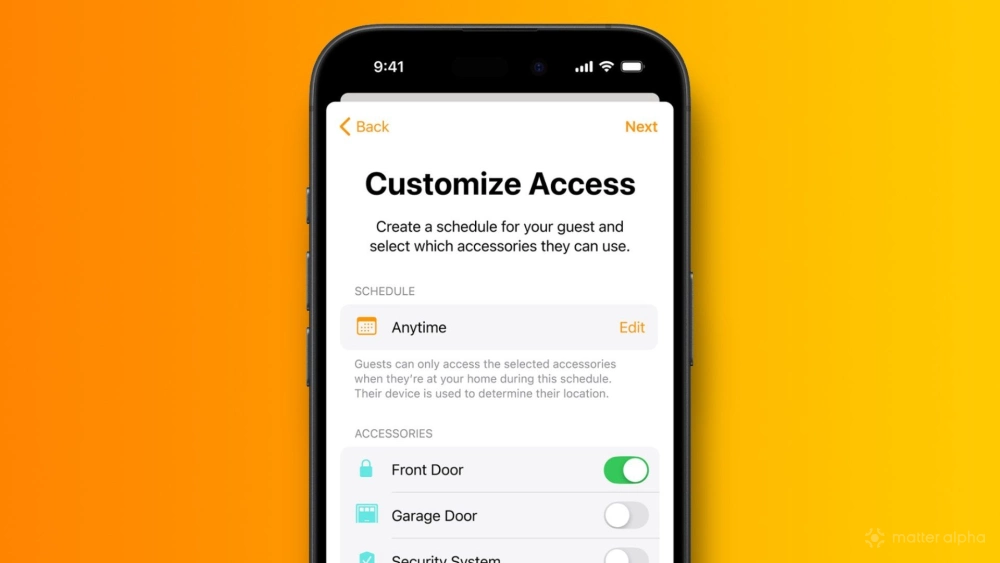
Personalization and customization upgrades for the Home app shouldn't just stop at icons and wallpaper; they should also extend to the residents and guests of our home. Currently, the Apple Home app offers an all-or-nothing approach—guests and residents either get access to all of your devices (cameras and locks excluded) or they don't—that's it.
This approach opens the doors to potential shenanigans when children or roommates are involved, and it can impact troubleshooting since the Home app doesn't log lighting state or power state in its Activity History. While I don't know all of the technical challenges behind it, it seems like this would be low-hanging fruit for Apple, ones that could easily be solved through a granular device access picker, or even by limiting access by room.
And finally, these user types should also be able to customize their Homes by giving them the ability to assign which devices they view as favorites, which icons to use, and perhaps even change accessory names—albeit for their end only.
3. Dynamic color scenes
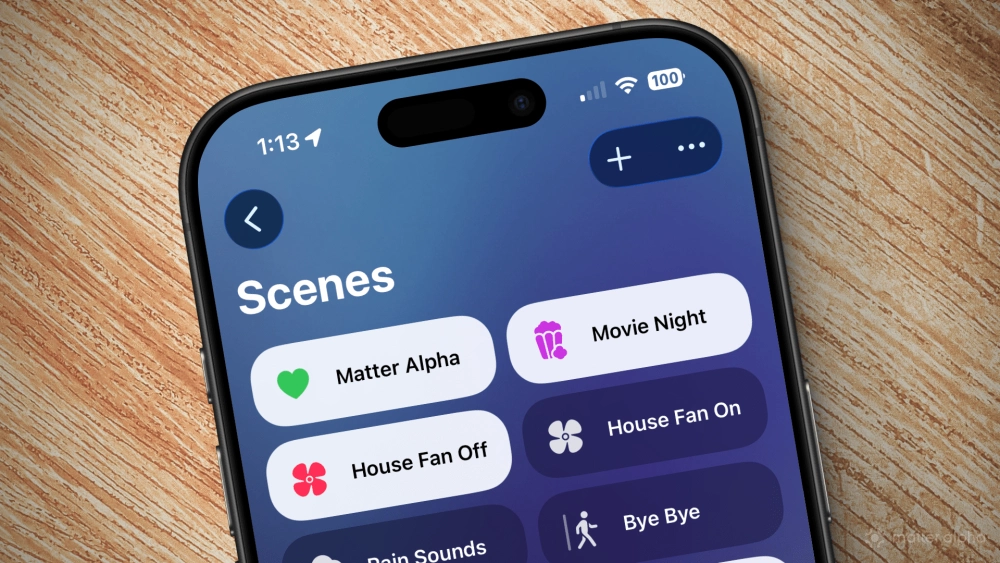
Smart, color-capable light bulbs, lamps, strip lights, and panels are some of the most popular Matter devices on the market—and for good reason. With dazzling effects, ambient TV light syncing, and color transitions, they create instant party vibes and mood lighting with just a tap—but as of now, you can only put on a light show through vendor-specific apps.
We've lamented about Matter's color limitations in reviews for devices such as the Govee Ceiling Light Ultra for years, but our cries have remained largely unanswered. The CSA has attempted to resolve the issue within the Matter specifications with clusters for Scenes Management and Mode Select, but we've yet to see any meaningful progress in this area—perhaps due to poor developer adoption or other limitations.
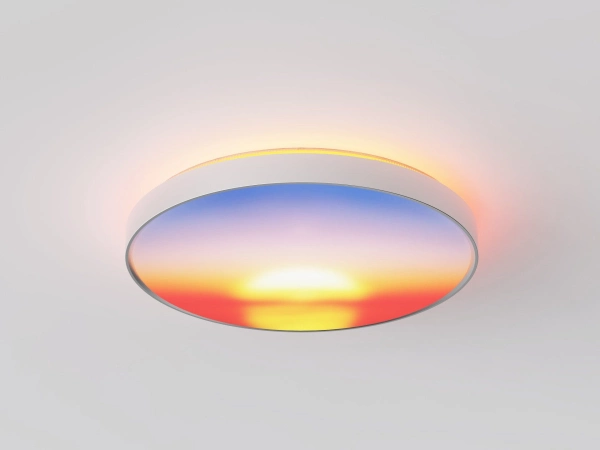
Govee Ceiling Light Ultra
Also available at
Some vendors try to get around this limitation by exposing these effects as Apple Home scenes, but support is extremely hit and miss. Using them through automation is also tedious, and not as intuitive as just having them as another palette option alongside the color picker presented by the Home app.
One of the main appeals for choosing Matter and Apple Home is a seamless pairing experience and local connectivity for smart home devices without the need for an app or account. Unfortunately, all of these benefits are greatly diminished when it comes to actually getting the most out of color lighting today.
4. Expanded robot vacuum and mop support
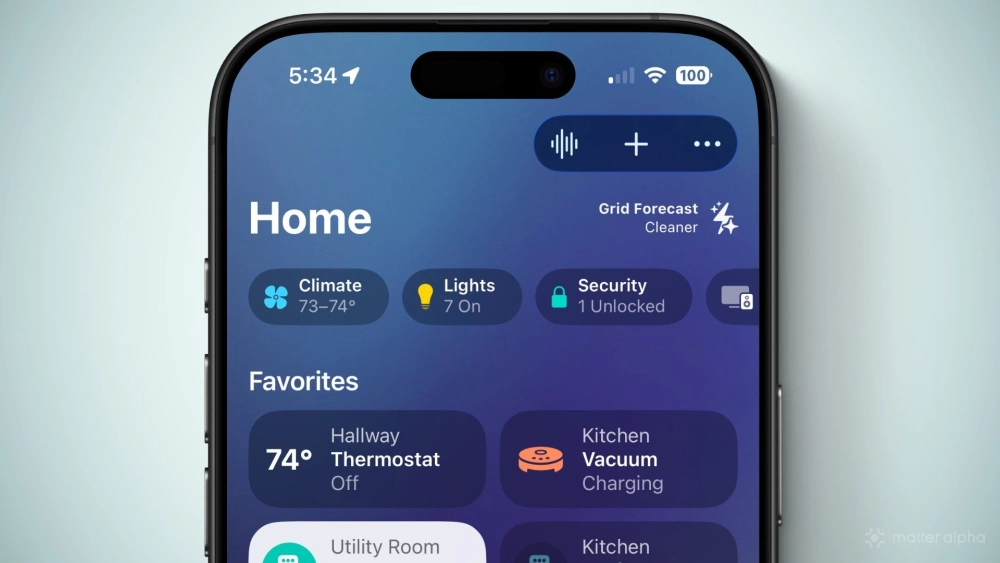
Despite being a part of 2023's official Matter 1.2 specifications, Matter robot vacuum and mop support is still in its infancy stages—especially on the Apple Home side of things. Similar to dynamic color scenes, Matter and Apple Home currently lack feature parity with the associated apps for robot vacuums, and they require an account for their initial setup.
Currently, controlling a Matter robot vacuum in the Apple Home app is limited to starting and stopping a clean, room-specific cleaning, and adjusting suction and mopping functionality. Missing features include map creation, assigning no-go zones, maintenance functions, and even some suction power settings, but this varies by model.
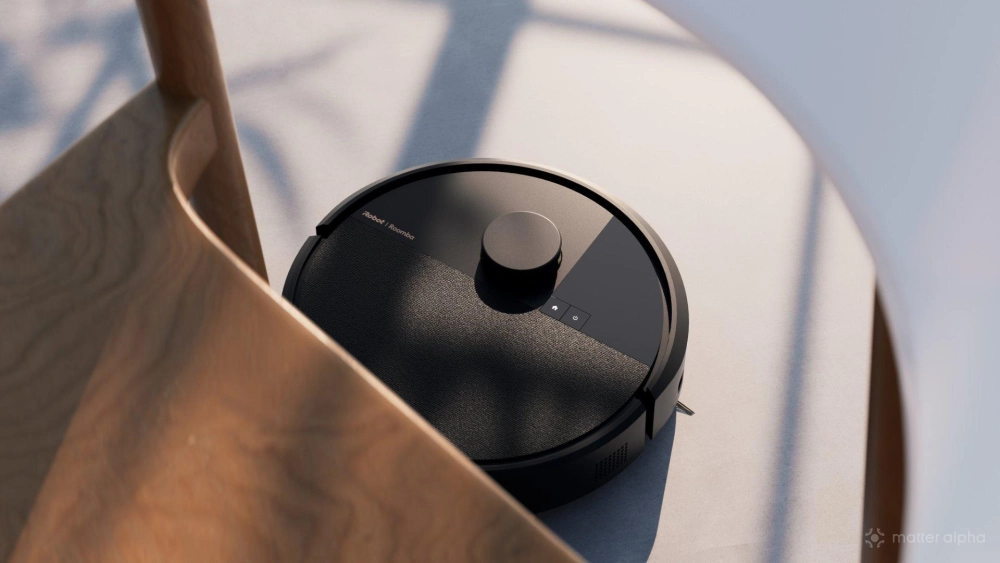
I certainly do not expect to see maps in the Home app any time soon, but Apple has all the tools to potentially lay the foundation for them at its disposal. LiDAR room scanning technology is already built-in to some of the more recent iPhone Pro models—as well as the Apple Vision Pro—and once created, the aforementioned rumored smart home display would be an excellent place to put them on display.
In addition to the convenience of only having to rely on one app, adding mapping to Apple Home would also negate some of the privacy risks associated with having robot vacuums with cameras in the home. But once again, this is probably all pretty far down the road, if it ever happens at all.
5. Virtual security alarm and devices
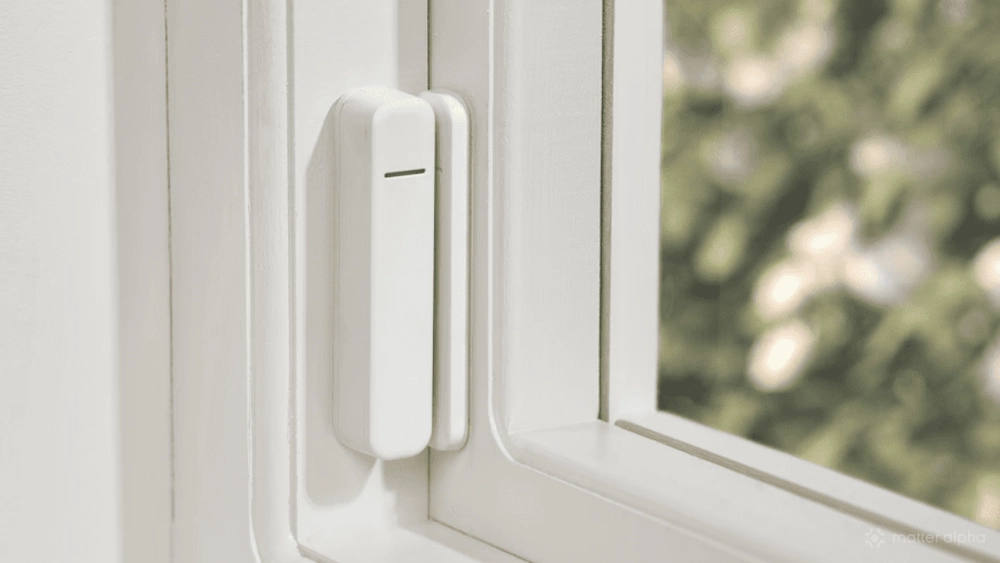
Apple's Home app already knows if our homes are occupied through iPhone location data and uses it for automation and features like Adaptive Temperature. It also knows if we have smart speakers like the HomePod and Matter motion and contact sensors too, making the Home app a prime candidate as a virtual security alarm system.
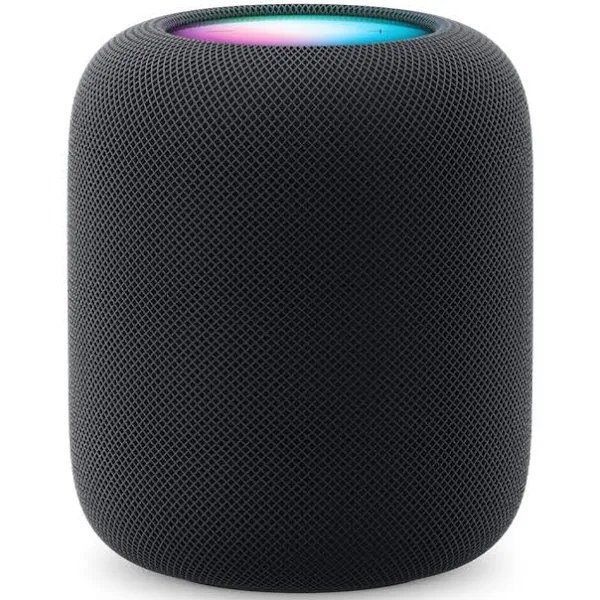
Although you can indeed accomplish this through the combination of third-party apps and an Apple Music subscription, baking it directly into the Home app seems like a win-win for end users and Apple alike—if done correctly. What I would like to see is a two-tier solution, one that provides users with a free basic siren—played through the HomePod—that can be triggered by Matter devices when the "system" is armed, and another where Apple supplies professional monitoring for a small fee.
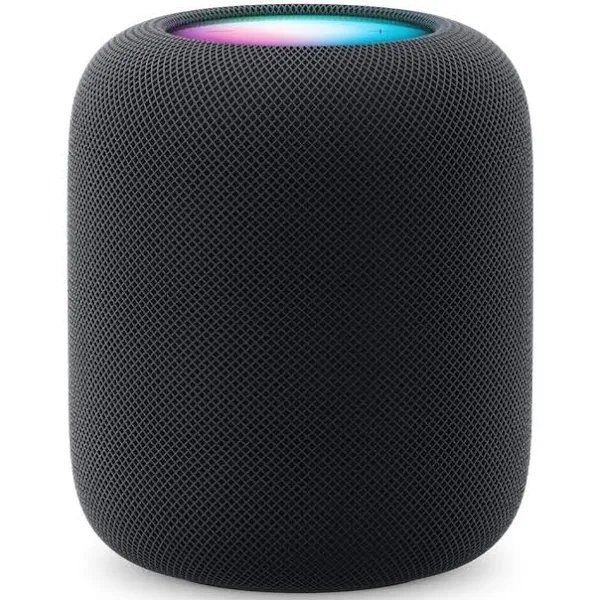
Apple HomePod (2nd Gen)
Keeping on the virtual theme, the Home app should also provide other virtual device types for use in automation. For those unfamiliar, a virtual device is a software emulation of physical hardware—like a smart plug—that can trigger the actual devices deployed in our homes.
Virtual devices are particularly useful as visual indicators for other devices and for bypassing certain security restrictions imposed by Matter ecosystems, like unlocking a door with a voice command. And yes, I know that this is closer to a "pie-in-the-sky" wish, but I do believe that virtual devices will one day be a part of our smart home repertoire.
WWDC 2026: Apple Home upgrades may be a few days away
Apple's WWDC 2026 begins with the keynote address on Monday, June 8th at 10:00 a.m. Pacific. Following the keynote, Apple will hold its Platform State of the Union and begin hosting sessions and group labs for developers, which may bring forth some additional behind-the-scenes Apple Home upgrades.
What Apple Home features are you hoping to see at this year's WWDC? Let us know on the Matter Alpha Discord, and be sure to stop by during the address to follow all of the announcements along with the community.
(Source: Matter Alpha, Apple)