It has been a while since I moved into a new apartment, which gives me a larger space to decorate and test smart home devices.
Starting from scratch in a new home offered a chance to rethink my entire setup and move away from legacy protocols. Over the first month at the new place, I replaced nearly all of my older Zigbee gear with Matter devices across lighting, controls, climate, sensors, and power monitoring to see how an all-Matter home holds up in daily use. Here is what I set up first and the lessons I learned along the way.
Powering on the hubs
Since I already had a smart home kit running across major ecosystems and kept my network credentials mostly the same, I simply powered the main controllers back on and cleared out most of the old device entries.

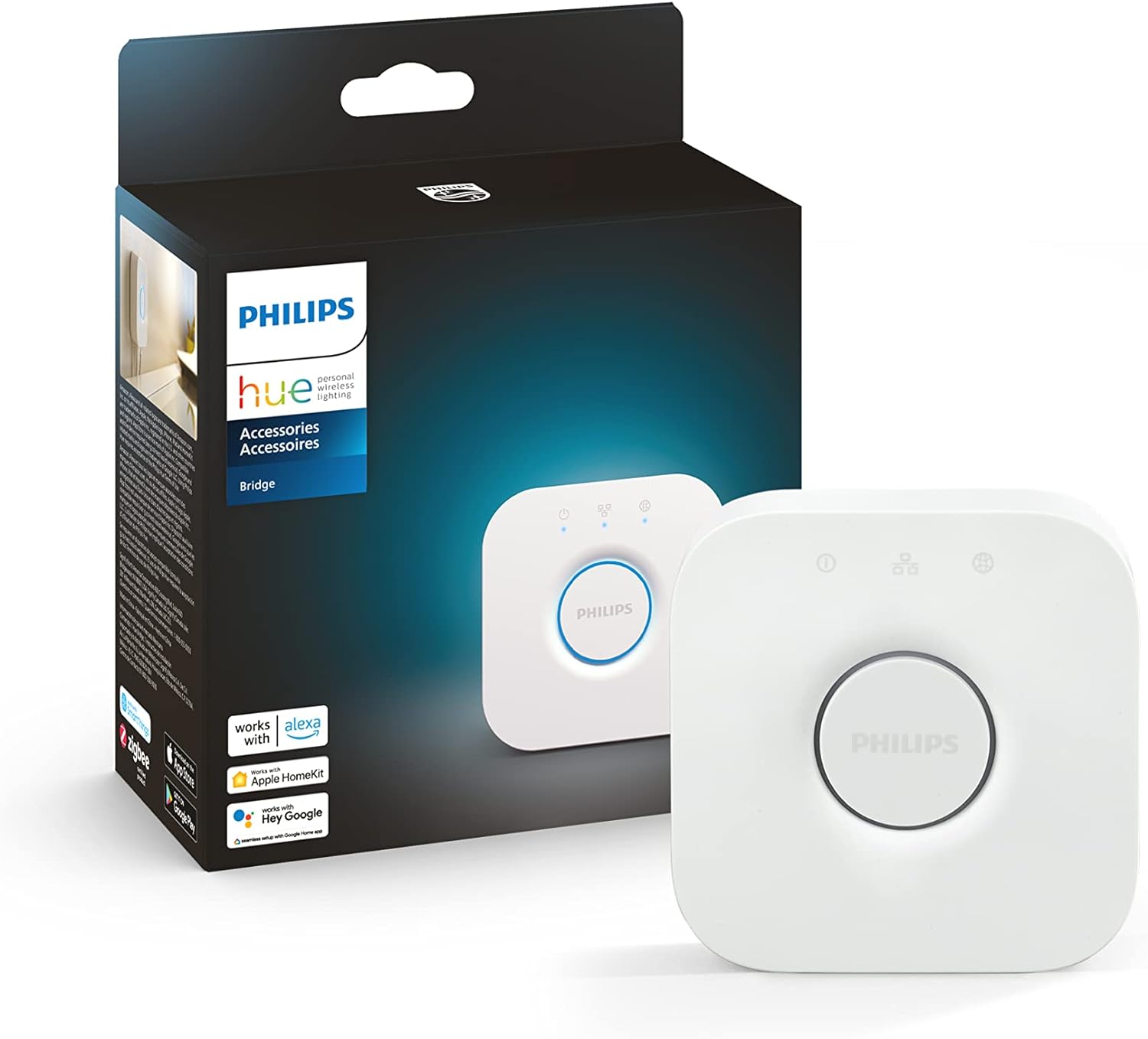
Philips Hue Bridge
The Philips Hue Bridge, a gateway device by Signify, uses Zigbee for instant light response and enables Matter, a universal smart home standard, allowing seamless integration with other smart home brands and ensuring your lighting and accessories are always connected, even when Wi-Fi is down.
eWeLink Smart Bridge
The eWeLink Smart Bridge by CoolKit acts as a central hub for various smart devices, offering voice control compatibility and a platform for users to manage a diverse range of smart home products, now with Matter support for enhanced device connectivity.
Homey Self- Hosted Server
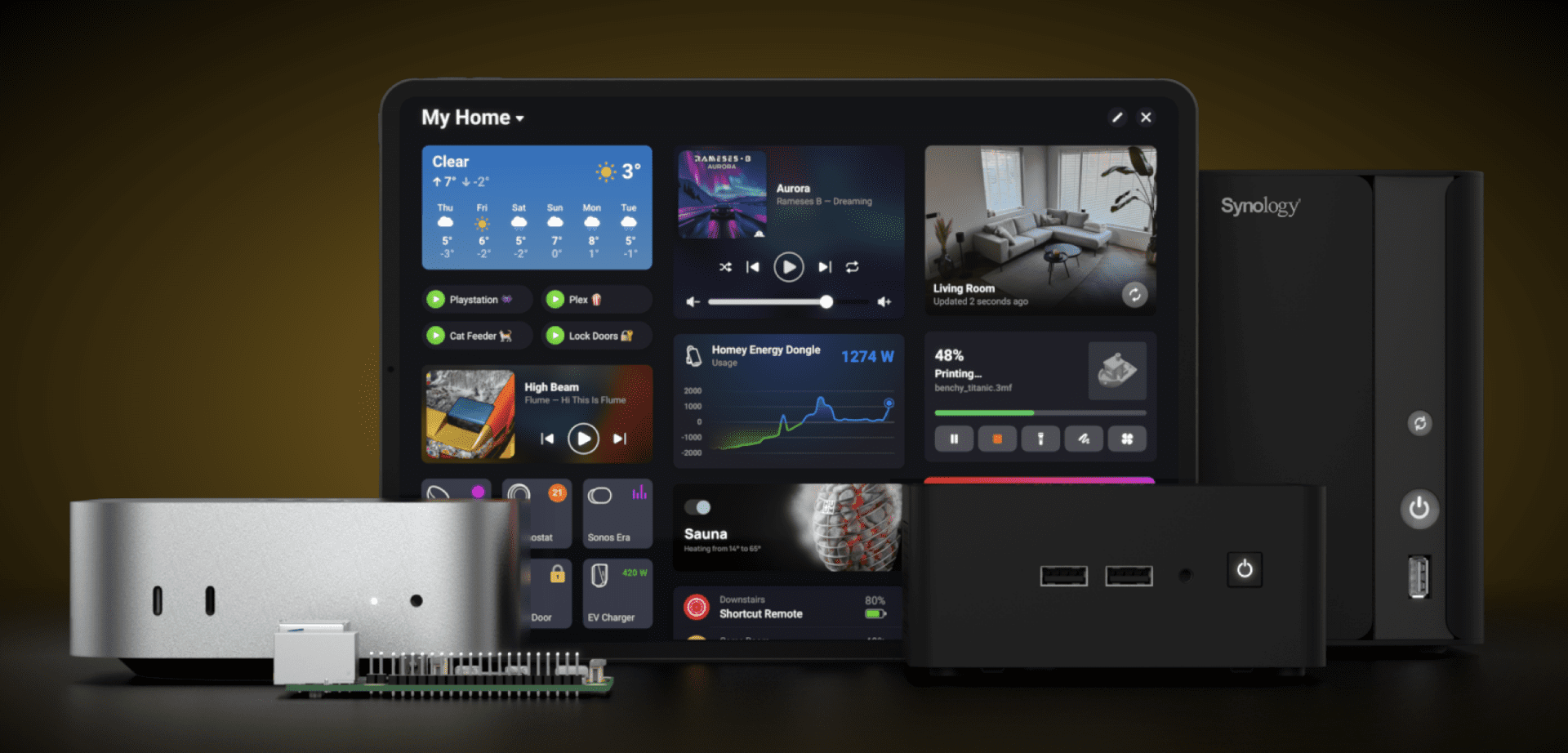
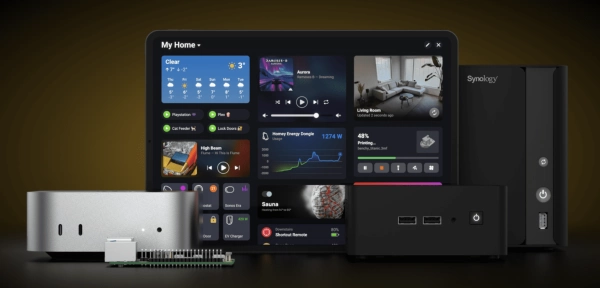
Homey Self-Hosted Server is a software-based version of the Homey platform that runs on your own hardware, turning a Raspberry Pi, NAS, or server into a fully featured smart home controller.
Several standalone hubs were no longer needed since I barely use Zigbee now, allowing me to retire hardware like the Philips Hue Bridge and SONOFF bridges. For bridging proprietary LAN devices into Matter, I moved to self-hosted software options like eWeLink Cube and Homey Self-Hosted Server. This makes the system easier to maintain, cuts down on physical clutter, and removes unused Zigbee and Z-Wave antennas that would otherwise cause wireless interference with my Wi-Fi and Thread networks.
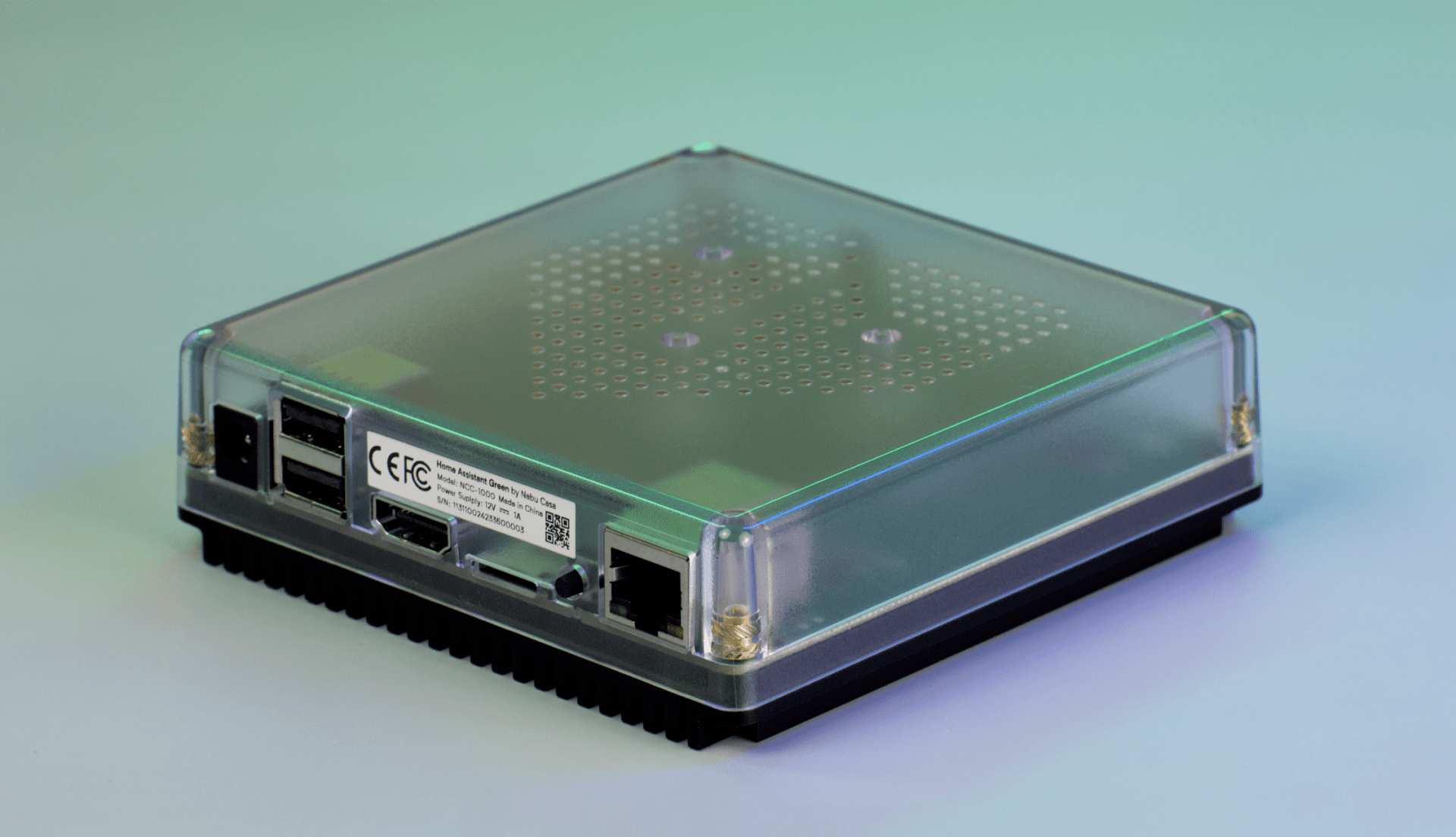
Home Assistant Green
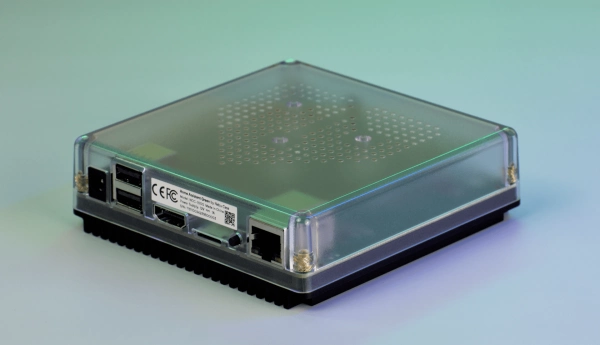
A compact, fanless Home Assistant hub with quad-core processing, 4 GB RAM, 32 GB storage, local data control and Thread USB expandability.
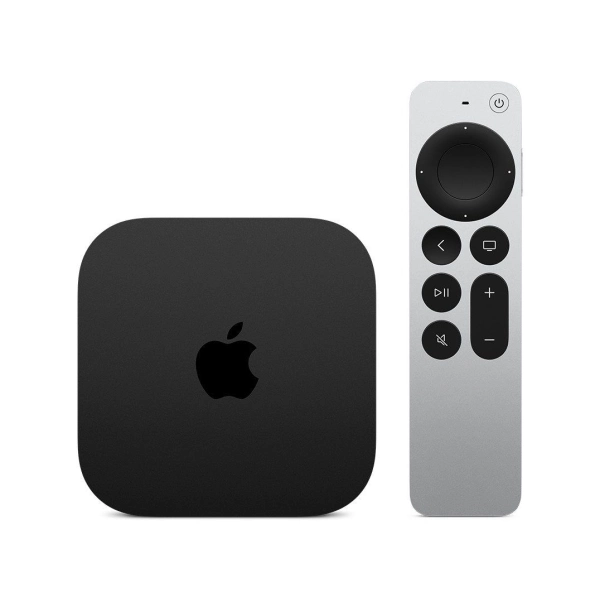
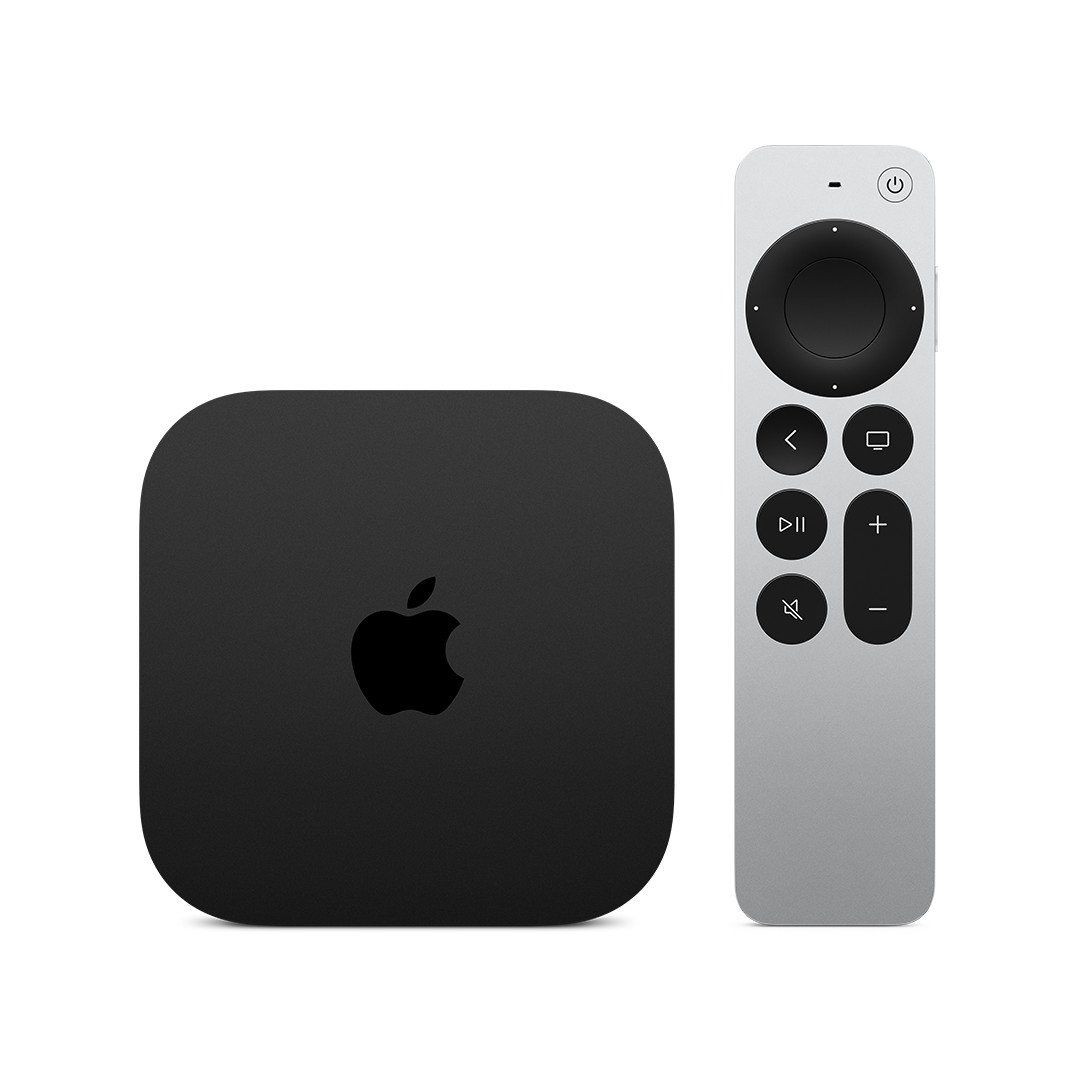
Apple TV 4K (4th Generation)
A 4K streaming and smart home hub with A19 performance, conversational Siri AI, hands-free controls, and four-speaker HomePod surround sound.
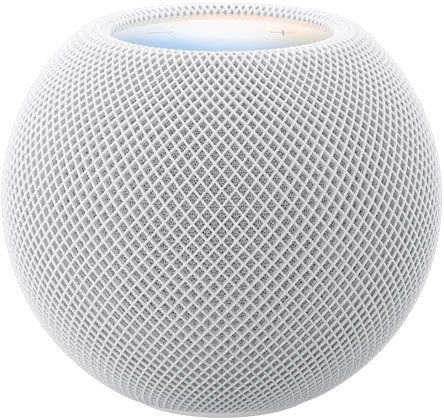
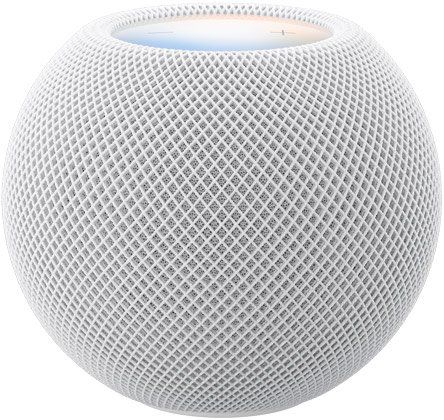
Apple HomePod mini 2
A compact 360-degree smart speaker with S10 computational audio, music-reactive lighting, smart home controls, and upcoming Siri AI capabilities.
When adding new Matter devices, I always start with Home Assistant as the primary controller. From there, I share essential devices that need manual phone control over to Apple Home, while letting Home Assistant Link (previously called Home Assistant Cloud) handle Google Home and Amazon Alexa.
Essentials go first
Smart lighting and wall controls are the most frequently used parts of any smart home, and market reports along with Matter certification numbers reflect that popularity. So I decided to tackle smart lights and wall switches first.
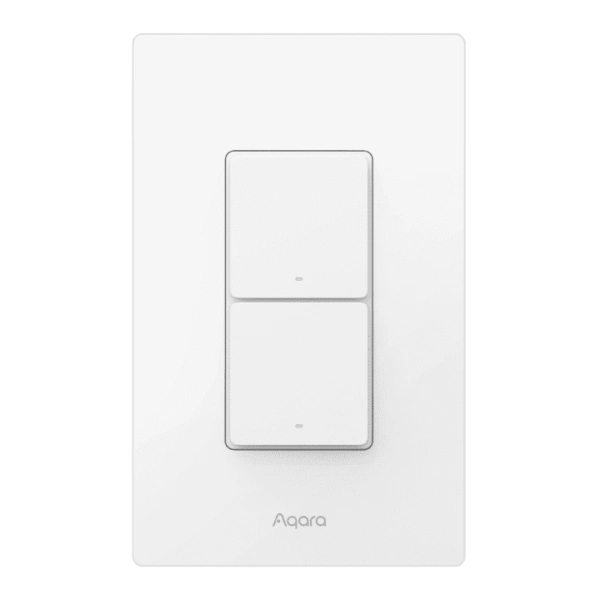
Aqara Light Switch H2 US
This Aqara H2 US Smart Light Switch supports Matter-over-Thread and Zigbee, enabling seamless integration across major smart home platforms while maintaining advanced features in Aqara’s ecosystem.

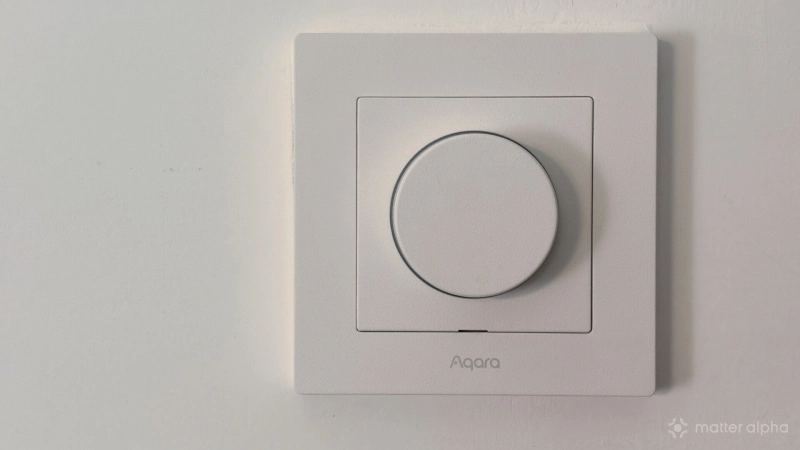
In my previous setup, I relied on a mix of Zigbee switches and HomeKit fixtures alongside a few Matter lamps. For the new apartment, I replaced all of the Zigbee wall switches with Aqara EU Switch H2 and Dimmer Switch H2 models running over Thread. They are among the few options on the market that support neutral-free wiring, which made retrofitting existing wall boxes much easier. I have installed about 10 of these switches and dimmers so far to control fans, lights, and ceiling fixtures.
To be honest, they are no better than their Zigbee counterparts over Matter right now. They lack critical features like decoupled relay mode for smart bulb automations, and the dimmer configuration options are practically nonexistent when exposed through Matter. For now, I am settling with them to get the apartment running while I look into better alternatives for neutral-free wall switches.

This brand helps to support our site to remain ad-free.
Read more about our ethics policyZemismart Filament Light Bulb E27
A vintage-style ST64 smart filament bulb with Matter-enabled interoperability, adjustable brightness, and tunable white light.

Govee Ceiling Light Ultra
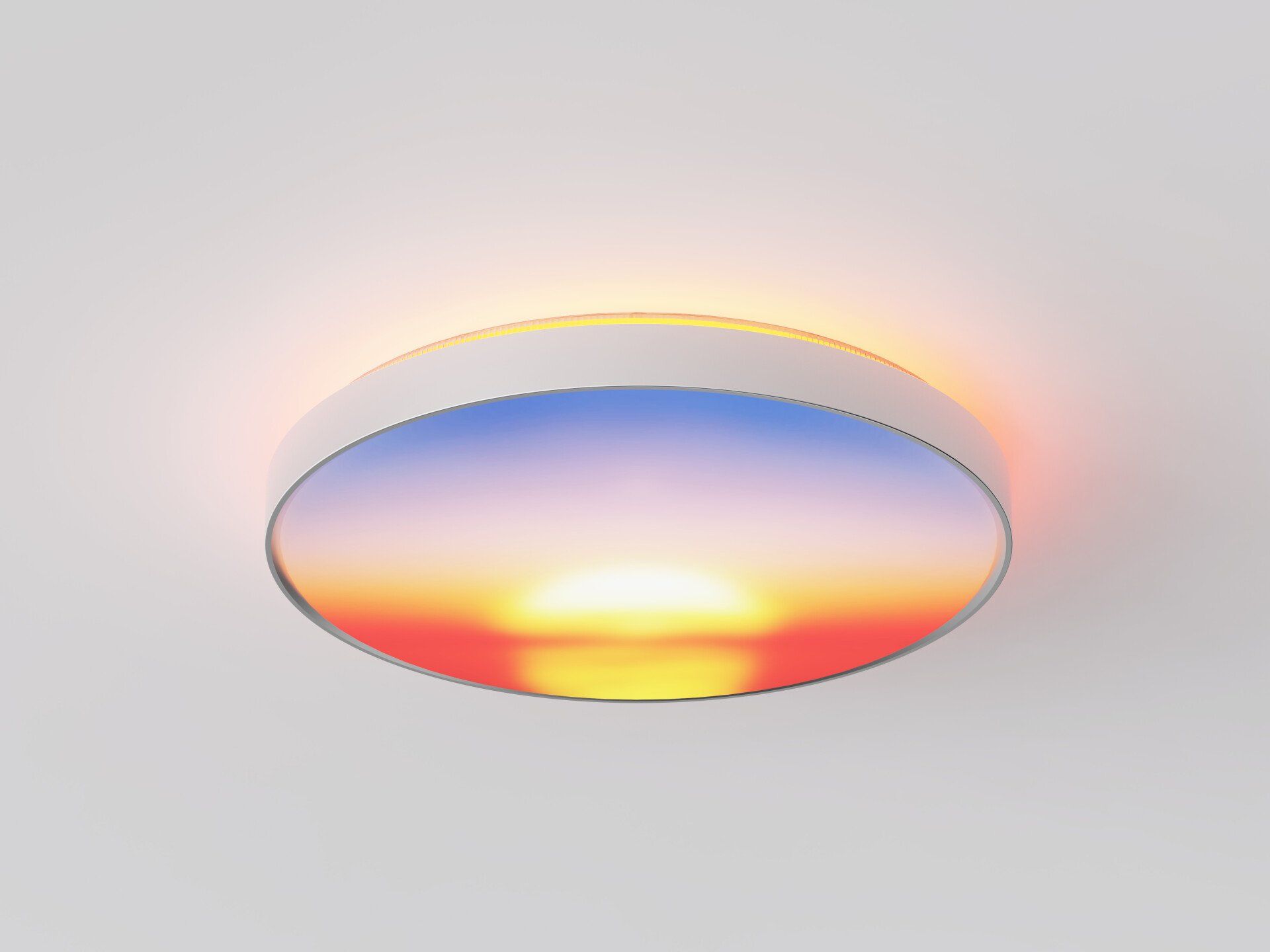
A high-output ceiling light with a high-resolution LED matrix that combines creative pixel-based animations, AI-driven effects, and natural-looking everyday illumination.
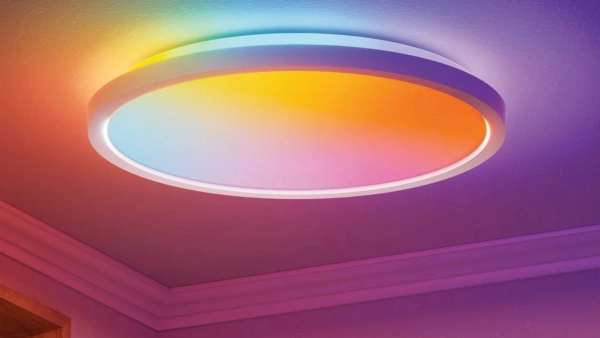
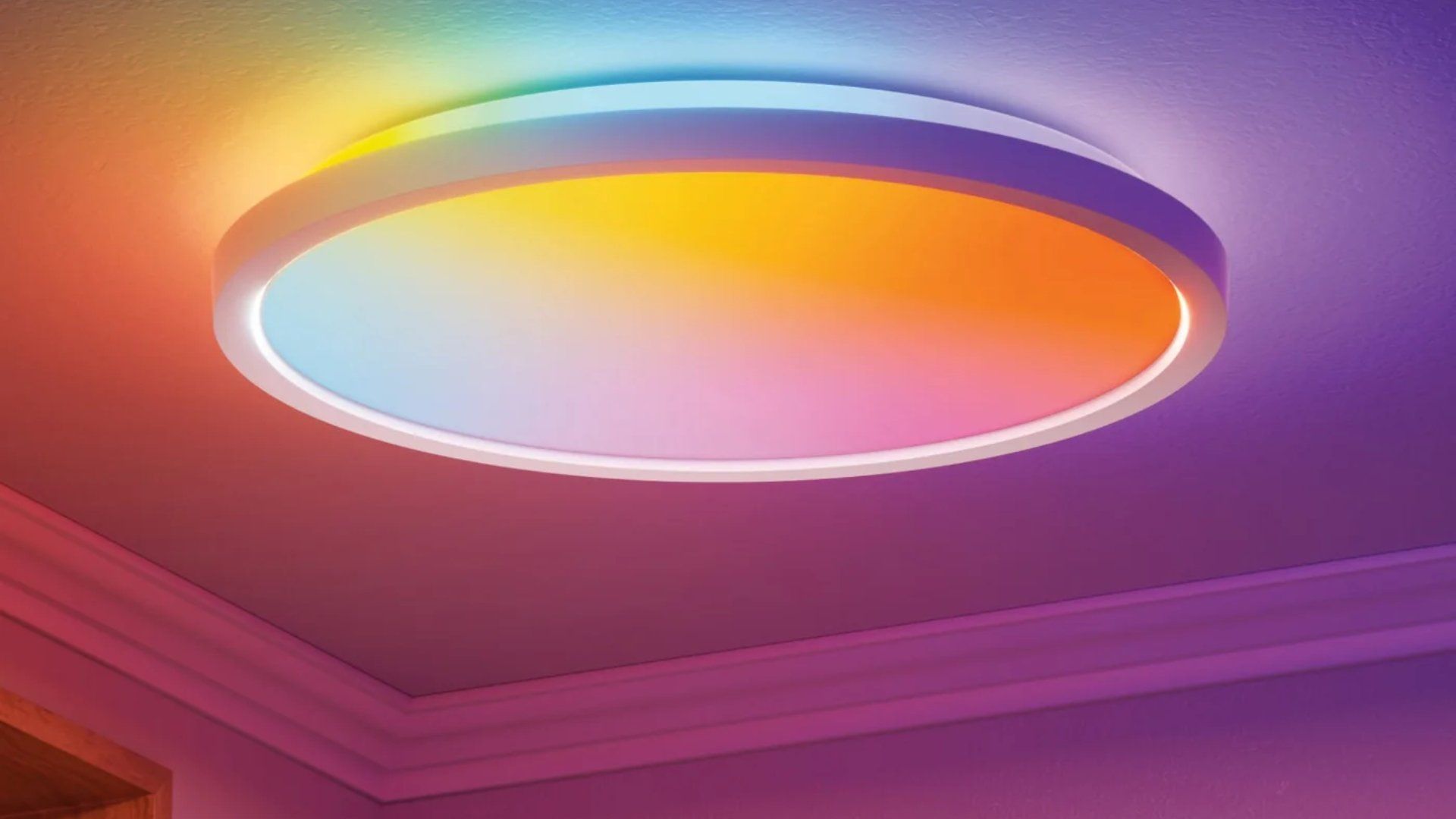
Nanoleaf Multicolor Ceiling Light
Dual-sided smart lighting with front, back, and combined modes, up to 2600 lm brightness, 2200K–6500K whites, multicolor effects, 28 color zones, RG0 low blue light, CRI 95 color accuracy, and real-time music visualization.
For overhead lighting, I installed smart ceiling lights including the Govee Ceiling Light Ultra and Nanoleaf Multicolor ceiling fixtures. I also set up IKEA pendant lights paired with smart bulbs from IKEA and Zemismart.
Ambient lighting fills out the rest of the rooms. I added a Dreame light strip alongside various floor and table lamps fitted with Aqara, Yeelight, AiDot, and IKEA smart bulbs, mostly in GU10 and E27 bases.

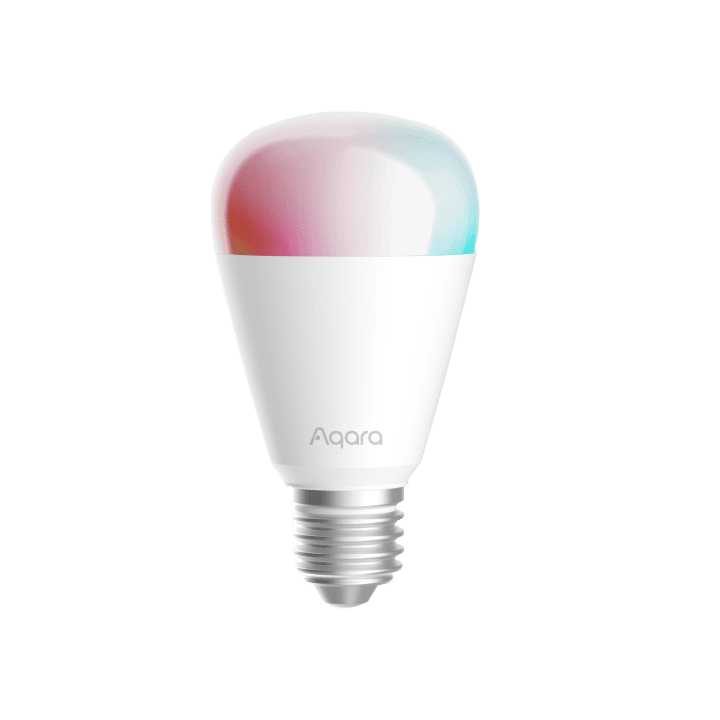
Aqara LED Bulb T2 (E26, RGB CCT)
Smart LED bulb with dual-protocol support (Thread and Zigbee), offering tunable whites, vibrant colors, and advanced features like dynamic effects, adaptive lighting, and multi-device grouping for enhanced control.

KAJPLATS E26 WS globe 1100lm
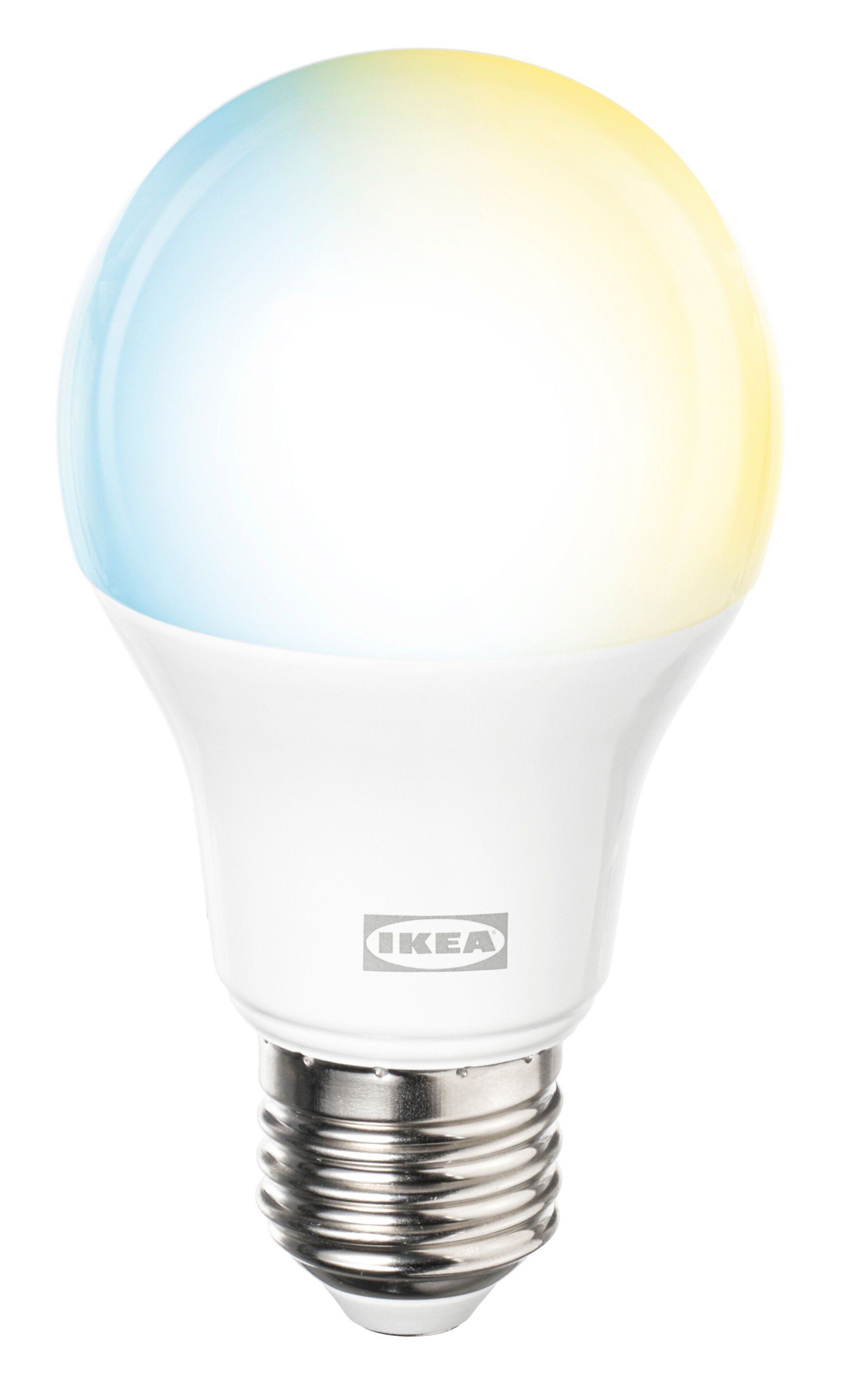
A powerful smart LED bulb with adjustable white tones and dual Zigbee/Thread connectivity for flexible, connected lighting.
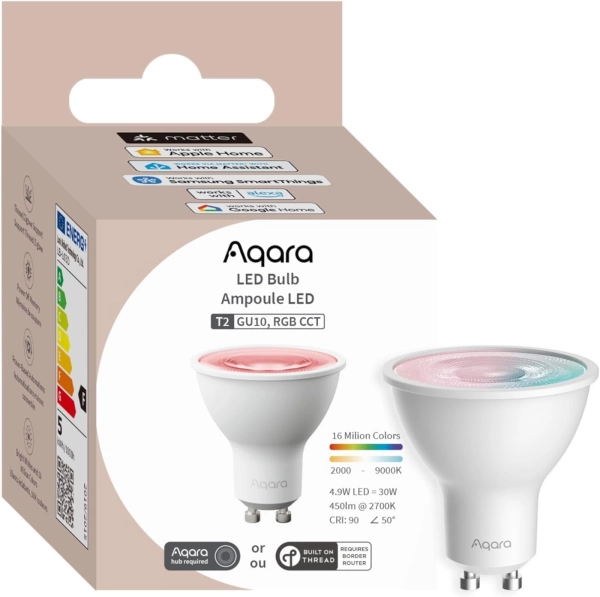
Aqara Smart LED Light Bulb T2 GU10 RGB CCT
A versatile GU10 smart spotlight bulb featuring 16 million colors, a 2000K–9000K tunable white range, and dual Thread/Zigbee connectivity for seamless smart home integration.
Climate control
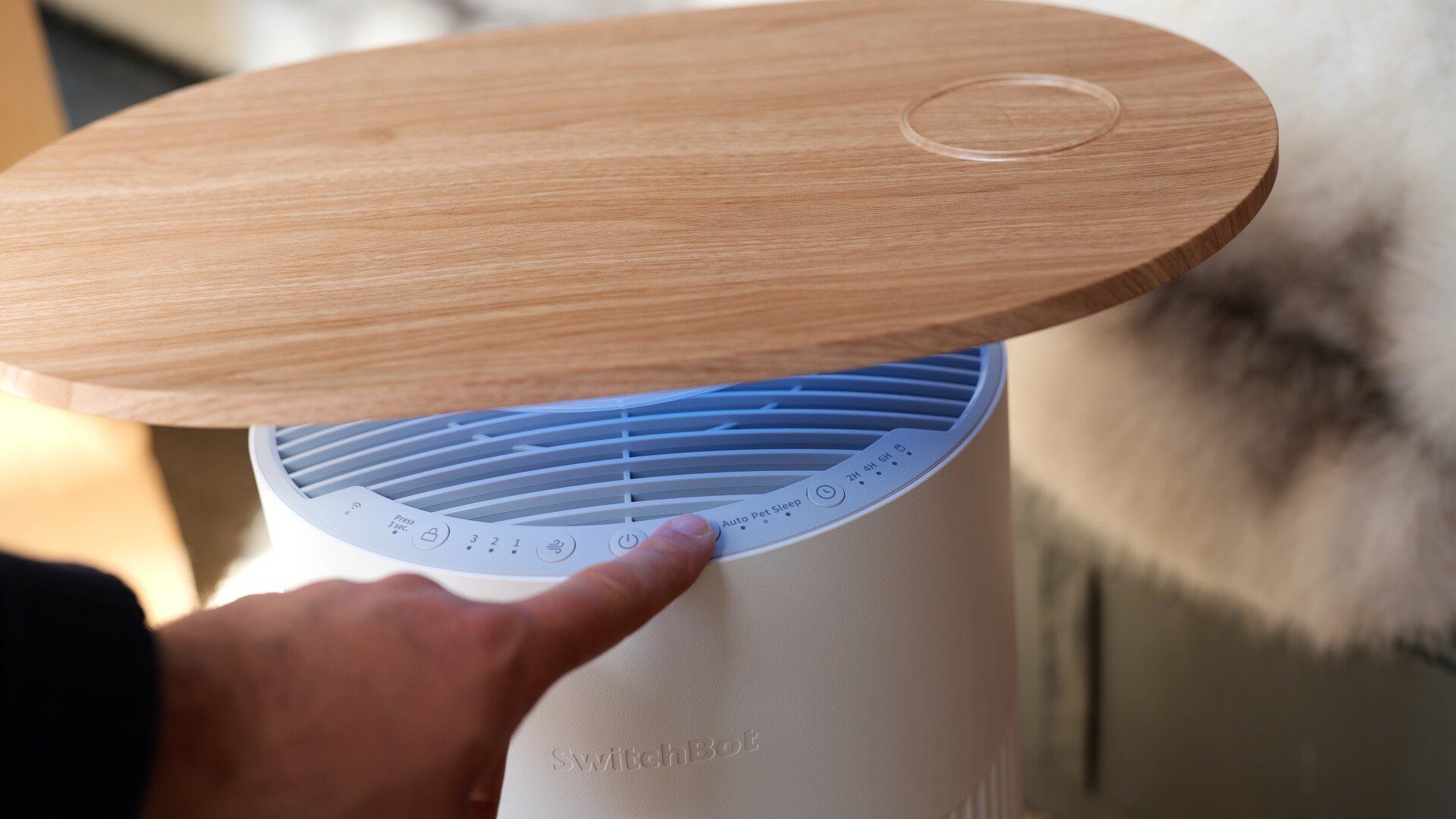
To handle indoor air quality, I brought in air purifiers from SwitchBot and IKEA. The IKEA air purifier remains one of the few Zigbee devices left in the apartment, bridged into the system alongside the newer hardware.
For air conditioning, I use SwitchBot and Aqara hubs with built-in infrared blasters. These expose traditional IR air conditioners to Matter, allowing temperature and mode adjustments directly from my main smart home platforms.
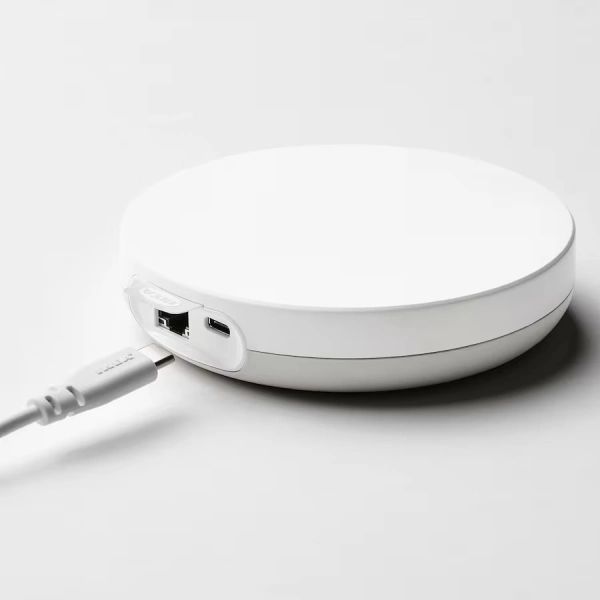
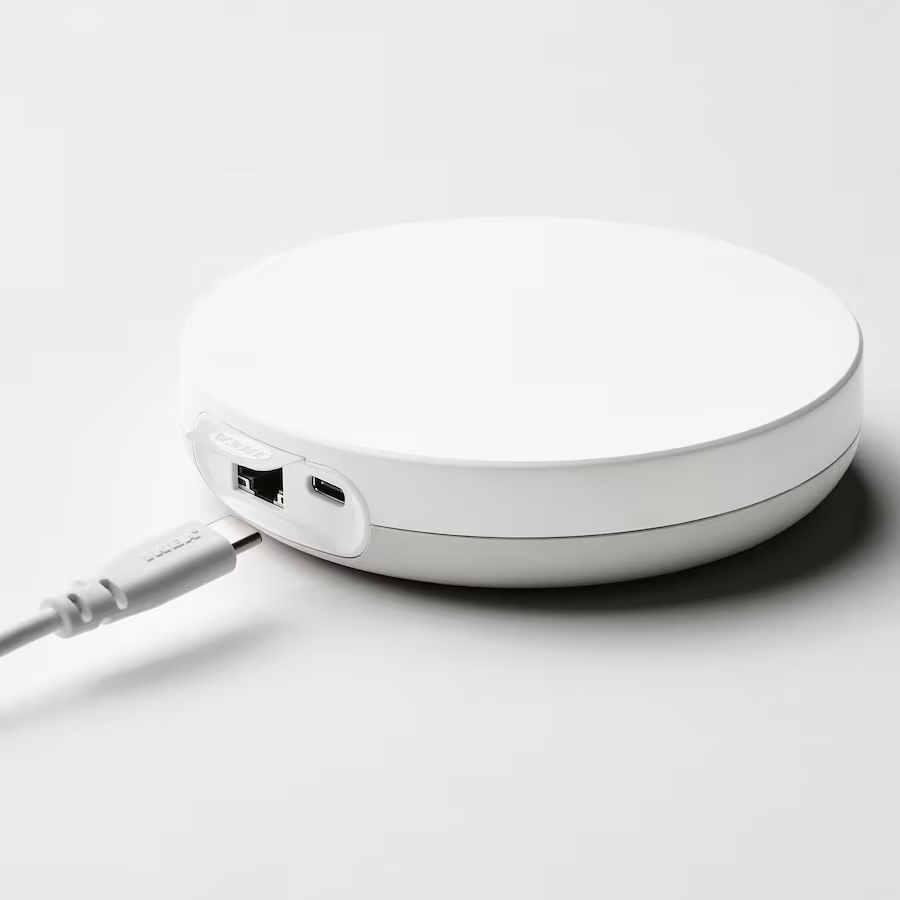
DIRIGERA
A Matter-compatible smart hub that connects and automates IKEA smart devices, enabling flexible control through the IKEA Home smart app, voice assistants, and remote triggers.
This brand helps to support our site to remain ad-free.
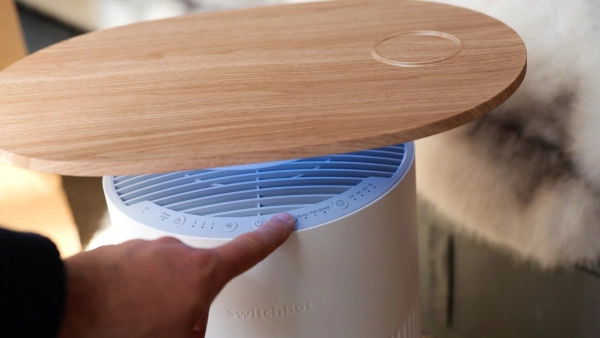
Read more about our ethics policySwitchBot Air Purifier
The SwitchBot Air Purifier Table is a smart, multifunctional device that combines efficient air purification, wireless charging, and atmospheric lighting, with seamless Matter integration for compatibility across major smart home ecosystems.
The main drawback is that both brands still expose bridged air conditioners as basic Matter thermostats with only off, heat, and cool controls. Even though their native vendor apps match my AC units with full functionality, features like fan speed, fast cooling, dry mode, and fan-only mode are completely missing over Matter.
This limitation also introduced an annoying “bug” where turning on the AC defaults to heat mode instead of cool mode, even in the middle of summer. I submitted a pull request to restore the previous HVAC mode in Home Assistant, and the fix was recently merged with help from the community and the Home Assistant team. On platforms like Apple Home, however, I still have to live with that quirk until Apple or the Connectivity Standards Alliance addresses it.

This brand helps to support our site to remain ad-free.
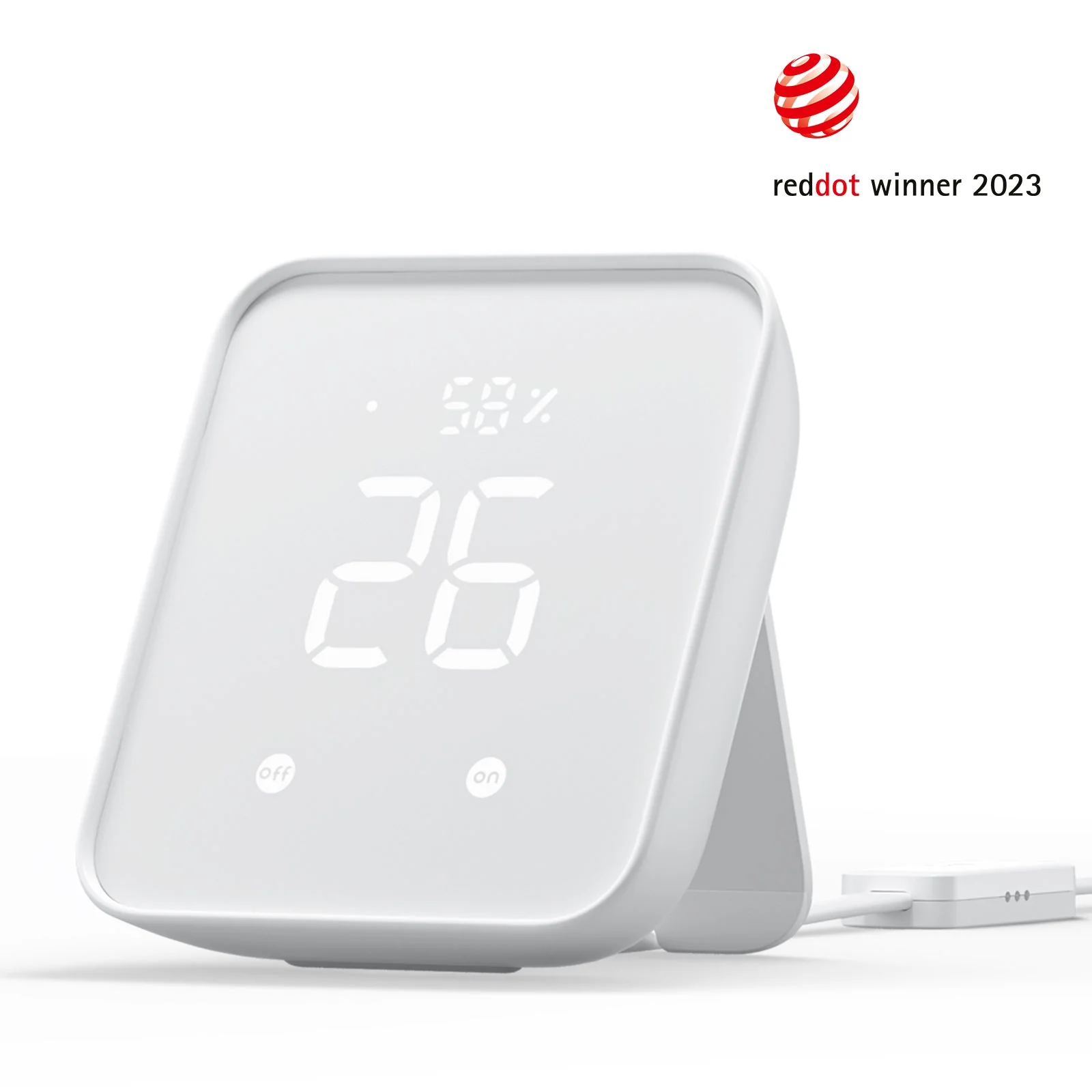
Read more about our ethics policySwitchBot Hub 2
The SwitchBot Hub 2, with part number W3202100, is a smart home hub that enables control of AC/heaters via phone and displays indoor temperature and humidity readings.
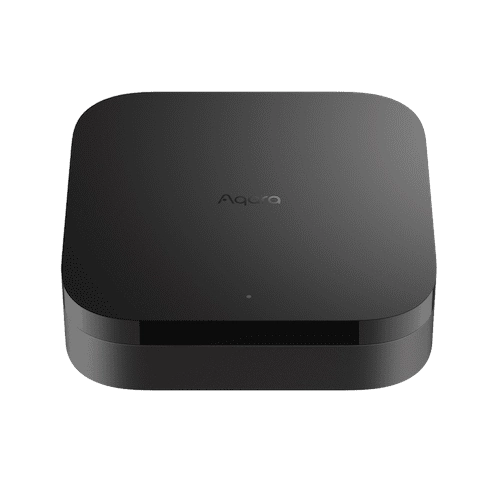
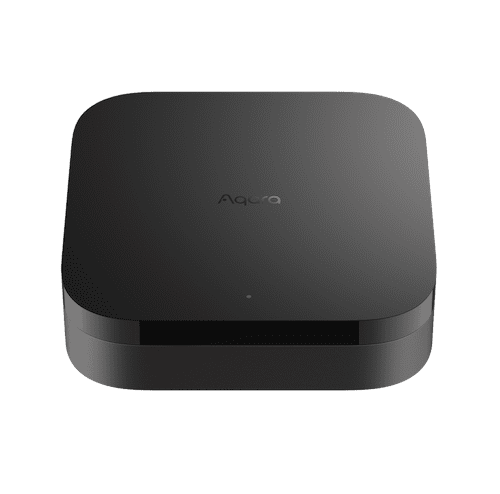
Aqara Hub M3
The Aqara Hub M3 is a Matter-compatible gateway that connects and manages up to 128 smart devices, facilitating local device automation without relying on Wi-Fi.
Window treatments were another priority during the first month. I installed an adjustable smart curtain track from the Midea-affiliated brand Reze Flow and paired it with basic curtain fabric from IKEA. Once up and running, the motor runs quietly and stays stable on the network, though the physical installation took quite a bit of effort. The adjustable track requires careful alignment during assembly, as even a minor misstep can jam or damage the track.
Smart sensing and control
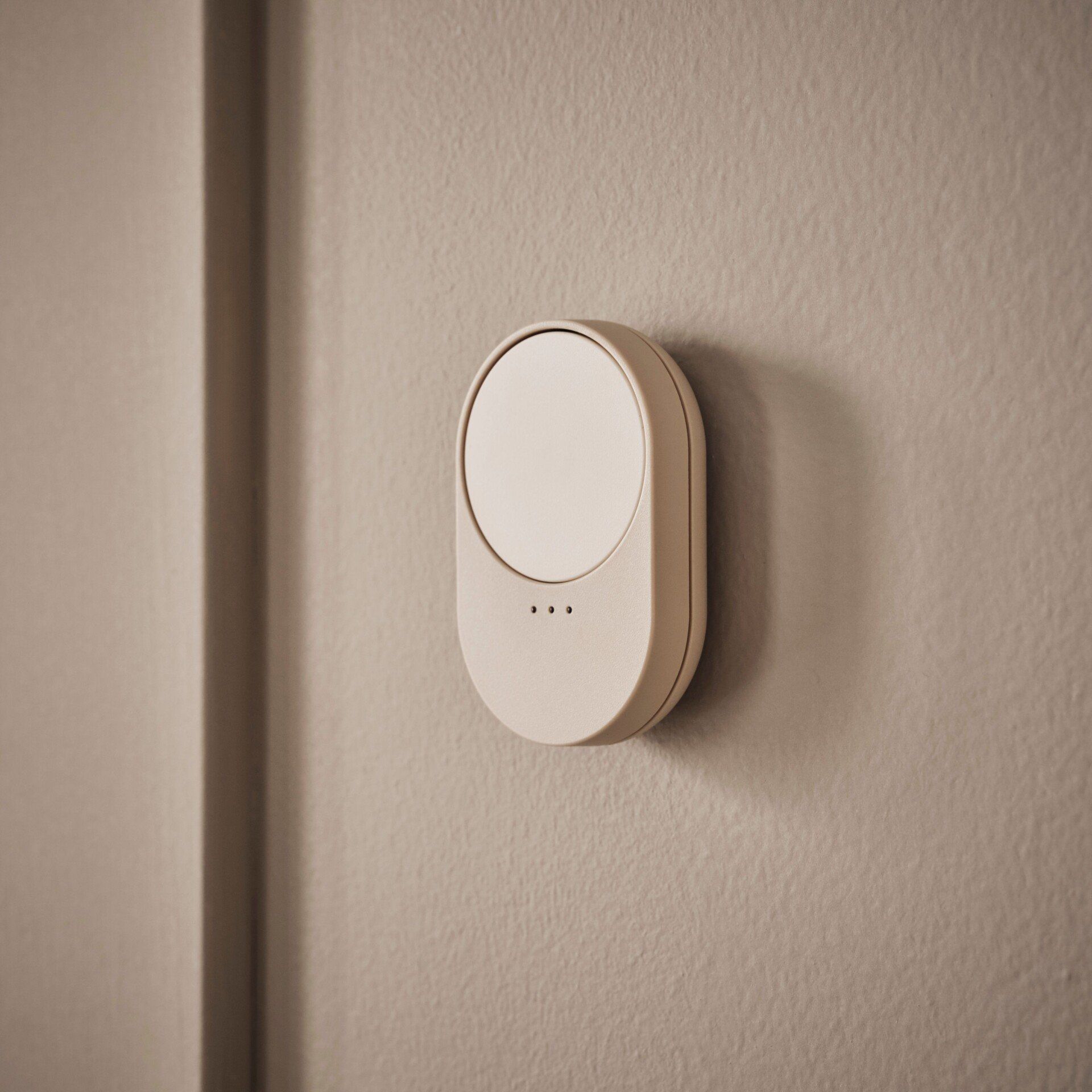
Moving to Matter also meant dropping all of my dedicated Zigbee remotes, such as the older IKEA TRADFRI and Philips Hue models, in favor of native Matter alternatives. I now rely mainly on IKEA BILRESA remotes for everyday light, scene, and speaker control around the apartment. They have performed reliably since their last major firmware update.
I rely mostly on sensors to trigger most of the automations, especially lights, so I barely need to reach out for a remote. During the first month, I replaced most of my legacy Zigbee sensors with Matter alternatives from Eve, Aqara, Heiman, IKEA, and GL.iNet Lafaer to cover motion, contact, environmental tracking, and safety alarms.
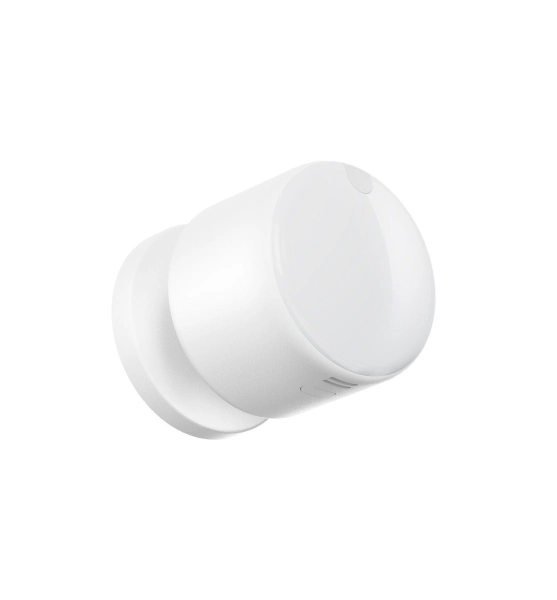
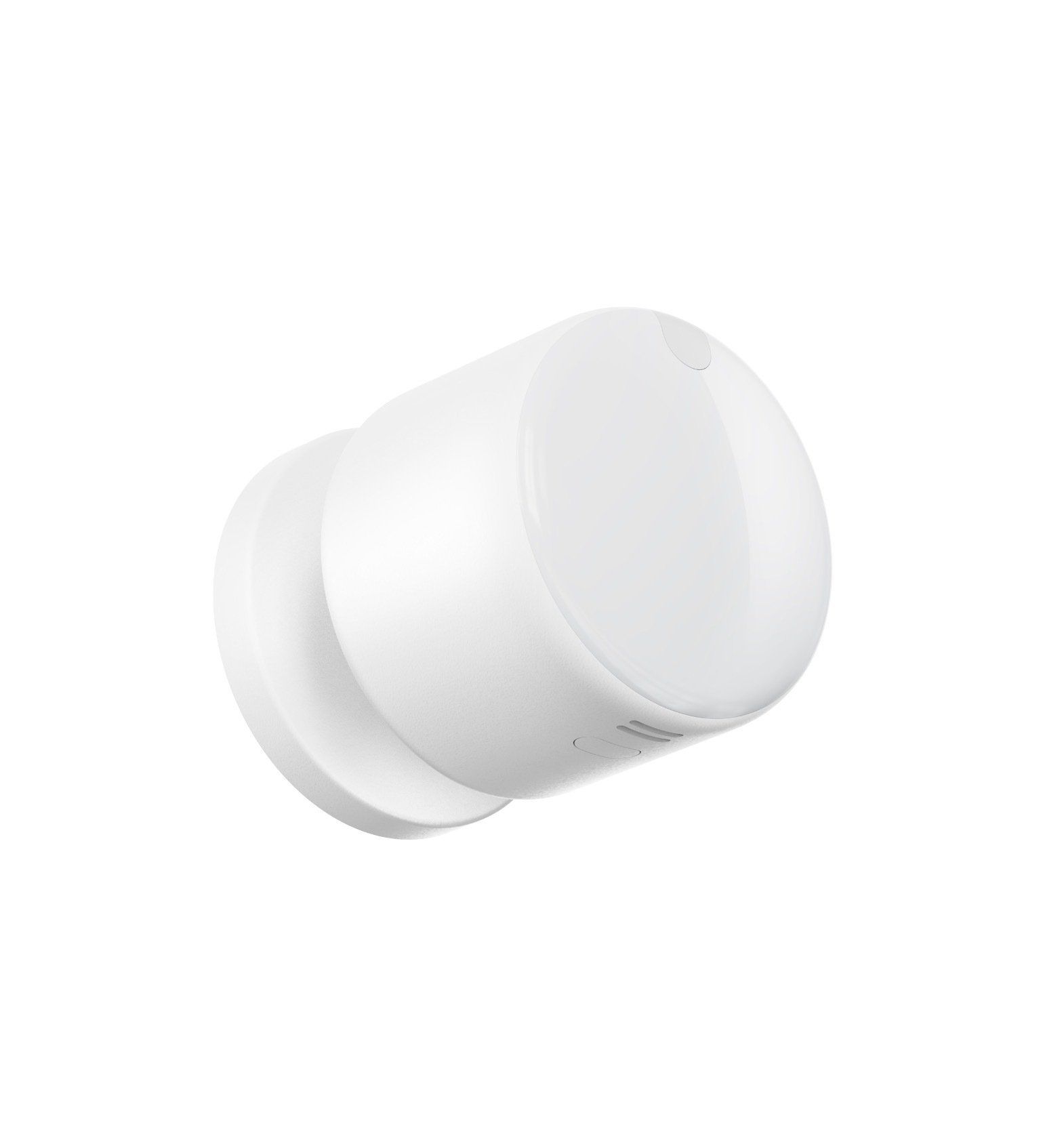
Aqara Presence Multi-Sensor FP300
A multi-functional presence sensor with PIR and mmWave detection, designed for seamless smart home integration with Thread and Zigbee support.
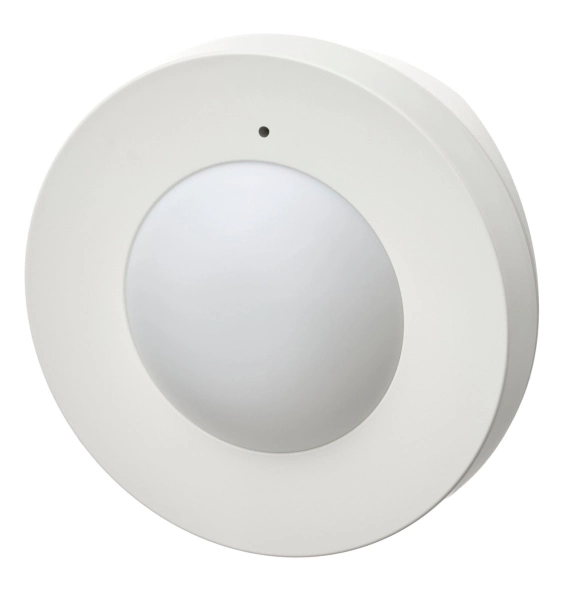
MYGGSPRAY Motion Sensor
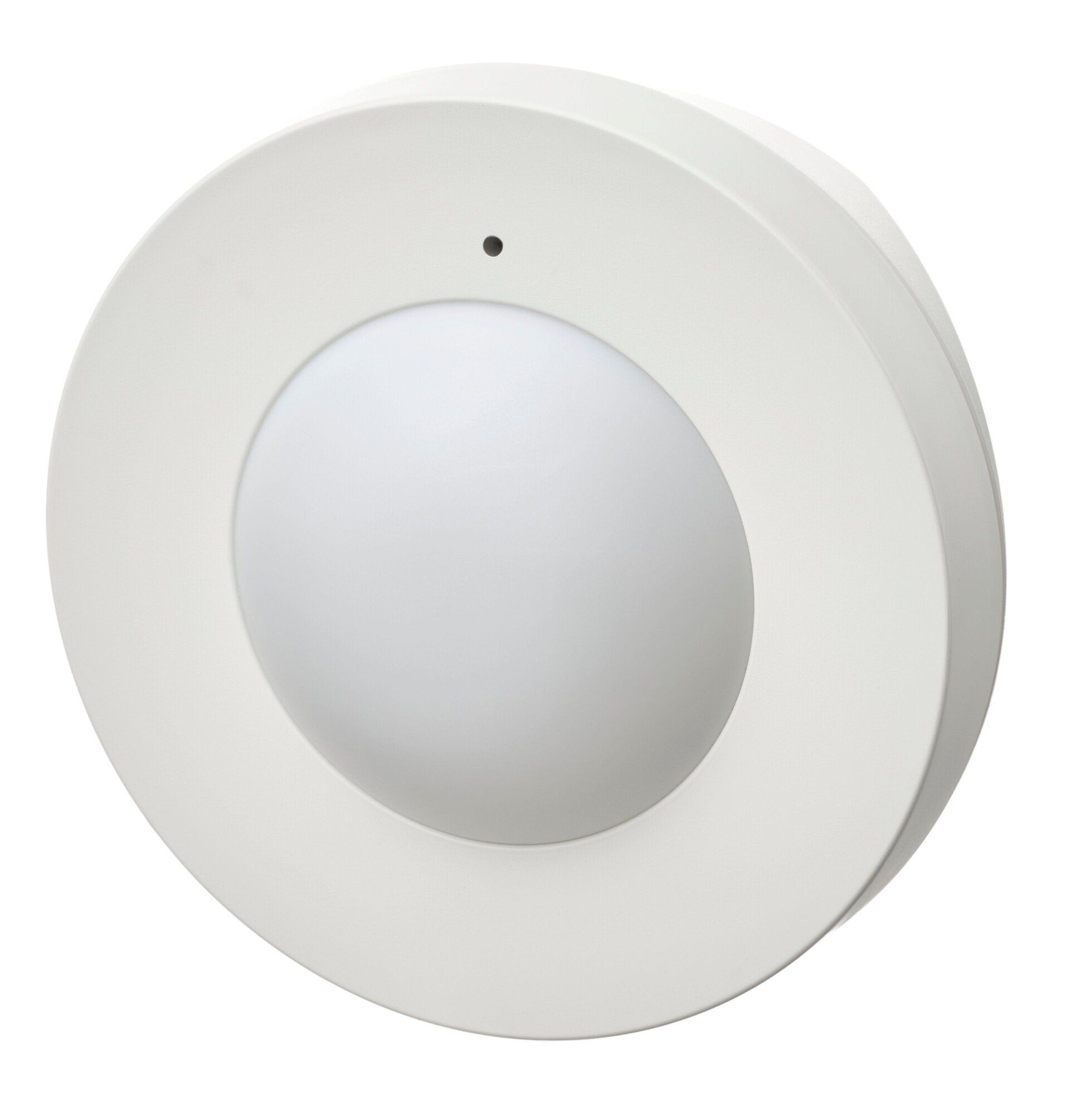
A versatile motion sensor that automatically activates lighting indoors or outdoors when movement is detected.
Matter covers this category very well. I was initially worried about finding a replacement for my Aqara FP2 millimeter-wave radar sensor, but the newer Aqara FP400 came out in time and brought all of its detection zones into Matter without much trouble, though zone label identification still needs some polish.
Things I cannot replace yet
Replacing every single device with Matter proved to be one of the most challenging parts of this move, and there are still several categories where accessible Matter options simply do not exist yet.
Wall outlets and heavy-duty plugs are a major gap. There are barely any Matter options made for my local plug standards, especially 16A high-power versions required for air conditioners. It was already hard enough to find a Zigbee version years ago, and I am still relying on a white-label Tuya Zigbee plug to monitor my air conditioner power draw.
For manual media control, I also miss the second-generation IKEA SYMFONISK remote, which offered intuitive physical buttons for playback alongside two shortcut buttons to trigger specific playlists. You cannot easily replicate that experience with a single new IKEA Matter remote without complex workarounds.
Home entertainment gear is another sparse category. Matter-enabled TVs remain rare, and native Matter speakers are practically nonexistent on the market.
Lastly, I am still holding onto my IKEA Zigbee air purifier because it looks great and provides the extra airflow needed for a larger apartment. But new models are coming soon.
Overall, transitioning to an all-Matter setup in a new space has come with a mix of smooth wins and minor workarounds. While certain categories still require patience or bridged solutions, the core foundation feels far more cohesive than before. For anyone looking to build a smart home today, an all-Matter setup easily fulfills everyday needs – giving the ecosystem plenty of room to mature while effortlessly handling everything that matters most right now.
(Image: Matter Alpha/Ward Zhou)